Gangtuo
Integrity, Innovation, And Win-Win
Contact us

2026 Top Checkered Steel Plate Manufacturers and Prices

The 2026 market for Checkered Steel Plate is becoming more selective. Buyers are comparing mills, surface patterns, certifications, delivery speed, and total landed cost. A plate may look identical on a warehouse floor. Its chemistry, rolling accuracy, and traceability can differ significantly.

Edwin Basson, Director General of the World Steel Association, has stated, “Steel remains essential to modern life.” That observation fits industrial flooring, truck beds, stair treads, platforms, and construction access areas. In practice, experienced purchasers inspect the raised pattern, plate flatness, edge condition, and mill test certificate. They also confirm whether the material meets the required ASTM, EN, or JIS specification. A strong supplier should explain tolerances clearly, not hide behind attractive photographs.

This guide reviews leading Checkered Steel Plate manufacturers and realistic price factors for 2026. Prices may change with thickness, coil or plate format, steel grade, order volume, freight, energy costs, and regional tariffs. A common 3 mm plate can appear inexpensive before cutting, packing, and delivery are added. That comparison is incomplete. Buyers should request current quotations, production dates, inspection records, and sample documents before placing large orders. No ranking is perfect. Some smaller mills may offer better service than famous producers, while a low price may signal slower delivery or weaker documentation. Careful evaluation matters more than a polished catalogue. The goal is practical guidance, not an exaggerated promise of the “best” supplier.
2026 Top Checkered Steel Plate Manufacturers and Prices

What Is Checkered Steel Plate and Where Is It Used?

2026 Top Checkered Steel Plate Manufacturers and Prices

What Is Checkered Steel Plate and Where Is It Used?

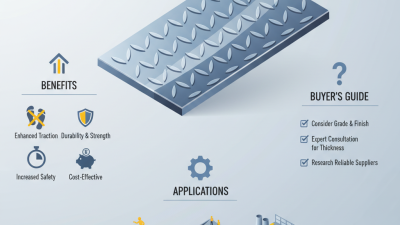
Checkered steel plate is a hot-rolled steel sheet with raised diamond, teardrop, or bar patterns. These ridges increase surface grip under boots, tires, and industrial equipment. Common grades include carbon steel and weather-resistant steel. Thickness often ranges from 2.5 to 12 millimeters, depending on structural loads and fabrication needs.

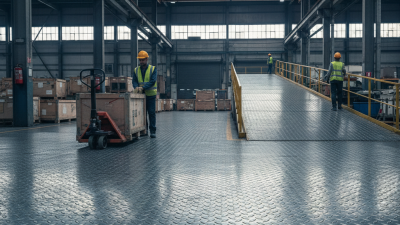
Its uses are practical and visible. You will find it on factory walkways, stair treads, loading platforms, vehicle floors, ramps, and machinery bases. The World Steel Association reported 1,882.6 million tonnes of global crude steel production in 2024. That figure shows the scale of steel supply, but it does not guarantee consistent plate quality. Pattern height, flatness, chemical composition, and mill tolerances still affect performance. In real projects, a thicker plate may feel safer, yet it can increase lifting demands and installation costs. That trade-off deserves more attention.

Tips: Confirm thickness after rolling, not only the nominal size. Check the pattern direction before cutting stairs or ramps. For outdoor use, specify corrosion protection and inspect weld zones regularly. Oil and mud can defeat the raised pattern. It is not a perfect anti-slip surface. Ask for mill test certificates, dimensional inspection records, and the applicable standard, such as ASTM A786 or an equivalent national specification. Prices also change with steel indexes, freight, plate thickness, and order volume, so one quotation rarely tells the whole story.
Key Features and Types of Checkered Steel Plate in 2026

Checkered steel plate remains a practical material for platforms, stair treads, walkways, truck beds, and industrial floors in 2026. Its raised pattern improves grip under ordinary working conditions. It also adds visual texture and can hide minor scratches better than a smooth plate. Common patterns include diamond, tear-drop, and five-bar designs. Diamond plates offer a familiar balance between traction and easy availability. Five-bar plates create a stronger directional appearance, but cleaning between raised sections may require more effort.

Carbon steel checkered plate suits general structural and industrial use. Galvanized checkered plate resists moisture more effectively, especially in semi-open areas. Stainless steel versions handle demanding hygienic or corrosive environments, although their purchase price is usually higher. Thickness, plate size, steel grade, pattern height, and surface treatment all affect the final 2026 price. Freight and cutting charges can change a quotation quickly. Cheap is not always economical.

Ask manufacturers for material certificates, thickness tolerances, pattern dimensions, and surface inspection records. Reliable suppliers should explain whether the quoted weight includes the raised pattern. This detail is easy to overlook. Buyers should also check welding requirements before ordering. A thick plate may provide better rigidity, yet it can increase installation time and support loads. The pattern is not a magic safety guarantee. Oil, mud, or ice can still reduce traction. In my view, product selection should combine tested specifications with the actual site conditions, not catalogue appearance alone.

2026 Top Checkered Steel Plate Manufacturers and Prices - Key Features and Types of Checkered Steel Plate in 2026
Product Type Common Grades or Material Typical Reference Standards Common Thickness Typical Sheet Size Surface and Pattern Features Indicative 2026 Price Range Typical Applications
Hot-Rolled Carbon Steel Checkered Plate ASTM A36; EN 10025 S235JR; equivalent mild-steel grades ASTM A786 for rolled floor plate; EN 10025 for structural steel grade 3–12 mm nominal plate thickness 1,500–2,000 mm wide × 3,000–12,000 mm long Raised diamond or teardrop pattern; economical; weldable; normally supplied with a mill finish or lightly oiled surface US$650–950 per metric tonne Industrial flooring, walkways, stairs, platforms, truck bodies, machinery bases and general fabrication
High-Strength Low-Alloy Checkered Plate Commonly S355-class structural steel or equivalent HSLA grades EN 10025 S355; regional structural-steel specifications 4–16 mm nominal plate thickness 1,500–2,500 mm wide × 6,000–12,000 mm long Higher yield strength than ordinary mild steel; can reduce structural weight; welding procedures should match the certified grade US$750–1,100 per metric tonne Heavy-duty platforms, transport equipment, bridges, construction machinery and industrial structures
Galvanized Checkered Steel Plate DX51D+Z or similar commercial-quality galvanized steel EN 10346; ASTM A653/A653M where applicable 1.5–6 mm base-metal thickness 1,000–1,500 mm wide × 2,000–6,000 mm long Zinc coating provides improved atmospheric corrosion resistance; pattern may be formed before or after coating depending on production route US$900–1,350 per metric tonne Outdoor platforms, drainage covers, service walkways, light-duty flooring and agricultural equipment
Weather-Resistant Checkered Steel Plate Atmospheric-corrosion-resistant structural steel, such as S355J2W-class material EN 10025-5; equivalent weathering-steel specifications 4–12 mm nominal plate thickness 1,500–2,000 mm wide × 6,000–12,000 mm long Forms a protective patina in suitable environments; not recommended for continuously wet, marine-salt or poorly ventilated conditions without engineering review US$1,000–1,500 per metric tonne Outdoor architectural flooring, rail infrastructure, bridges and exposed industrial structures
304 Stainless Steel Checkered Plate AISI 304 / EN 1.4301 austenitic stainless steel ASTM A240/A240M; EN 10088-2 2–6 mm nominal plate thickness 1,000–1,500 mm wide × 2,000–6,000 mm long Good general corrosion resistance, clean appearance and easy maintenance; commonly supplied with a raised one-way or diamond pattern US$2,600–4,200 per metric tonne Food-processing areas, commercial kitchens, chemical equipment, clean industrial floors and architectural interiors
316L Stainless Steel Checkered Plate AISI 316L / EN 1.4404 low-carbon austenitic stainless steel ASTM A240/A240M; EN 10088-2 2–8 mm nominal plate thickness 1,000–1,500 mm wide × 2,000–6,000 mm long Molybdenum-bearing grade with better resistance to chlorides and many chemical environments than 304; low carbon supports welded fabrication US$3,600–5,800 per metric tonne Marine facilities, chemical plants, wastewater equipment, coastal platforms and pharmaceutical installations
Abrasion-Resistant Checkered Plate Wear-resistant grades such as 400–500 HB-class plate, where available in patterned form EN 10051 or regional abrasion-resistant steel specifications; mill certification required 4–12 mm nominal plate thickness 1,500–2,000 mm wide × 6,000–12,000 mm long Higher hardness and wear resistance than mild steel; forming, cutting and welding require grade-specific procedures US$1,100–1,900 per metric tonne Mining platforms, bulk-material handling equipment, crushers, chutes and heavy-duty access areas
Perforated or Custom-Pattern Checkered Plate Carbon steel, galvanized steel or stainless steel according to project requirements Material standard selected according to the base metal; dimensional tolerances agreed in the purchase specification 1.5–8 mm nominal plate thickness Custom widths and lengths; standard stock sizes may be available May combine raised patterning with perforations, cut-outs, edge preparation or customized geometry; higher processing cost than standard plate US$900–2,200 per metric tonne Specialized platforms, equipment guards, ventilation panels, architectural panels and fabricated access systems
Pricing basis: The 2026 figures are indicative planning ranges in USD per metric tonne for standard commercial quantities. Actual prices vary with steel index movements, alloy surcharge, thickness, pattern depth, coating mass, certification, order volume, freight, duties, cutting and delivery terms. Confirm the final quotation, dimensional tolerance, mechanical properties and mill test certificate before purchase.

Top Checkered Steel Plate Manufacturers and Their Strengths

In 2026, leading checkered steel plate manufacturers compete through stable quality, accurate patterns, and dependable delivery. Experienced producers control heating, rolling pressure, and cooling speed closely. These details affect plate flatness, tread height, and surface grip.

Large integrated mills usually offer consistent chemistry and high-volume production. Their strengths include automated testing, broad thickness ranges, and stronger supply capacity. Regional manufacturers often respond faster to custom sizes and smaller orders. Some also provide cut-to-length services, protective oiling, and export packing. Both options can be useful.

Price remains practical, not simple. Common carbon steel checkered plates may range from 650 to 1,050 US dollars per metric ton in 2026. Exact offers depend on thickness, pattern design, steel grade, order volume, freight, and regional energy costs. Stainless products cost considerably more. Ask for a recent mill test certificate. Check dimensional tolerance, impact performance, and coating condition before comparing quotations. A low price can hide uneven patterns or costly trimming work. I have seen buyers focus on tonnage while missing bundle weight differences. That mistake weakens the real comparison. Reliable manufacturers explain these details clearly and allow independent inspection before shipment. One weakness remains. Some suppliers describe delivery times too confidently during busy production periods. Confirm the loading date, packaging method, and replacement terms in writing.

2026 Top Checkered Steel Plate Manufacturers and Prices

Indicative 2026 global price benchmarks for carbon-steel checkered plates by nominal thickness. Prices are shown in USD per metric ton and may vary with grade, order volume, surface finish, certification, freight, and market conditions.

Market perspective: Leading manufacturers typically compete through stable rolling quality, accurate plate dimensions, consistent checkered patterns, certified mechanical properties, flexible cutting services, and reliable export logistics. Thicker plates generally have lower price premiums per ton because processing costs are distributed across more material.

How Checkered Steel Plate Prices Are Determined

Checkered steel plate prices begin with the hot-rolled steel benchmark, not the raised surface pattern. The World Steel Association’s World Steel in Figures 2025 reports 1,882.6 million tonnes of crude steel production in 2024. That enormous supply base still faces regional differences in energy, labor, and transport costs. A plate mill may therefore quote different prices for the same specification in different ports.

Thickness, steel grade, width, length, and dimensional tolerance then reshape the offer. A 6 mm plate usually costs more per tonne than a 10 mm plate because rolling losses and processing time affect yield. Pattern height also matters. Deeper diamonds require tighter control and can increase finishing costs. Cutting a 1,500 mm sheet into smaller panels adds labor, packaging, and scrap. Small orders often pay more.

Freight can quietly dominate the final figure. OECD Steel Market Developments reports continued pressure from global steel overcapacity, which can weaken mill quotations while protecting neither buyers nor producers from volatile logistics. Currency movements and import duties add another layer. The World Bank’s Commodity Markets Outlook also shows how energy and raw-material volatility can change industrial pricing assumptions.

A neat formula is tempting. It is incomplete. Buyers should request the mill’s base index, processing surcharge, tolerance standard, packing method, delivery term, and quote validity. Some quotations appear cheap because freight or testing fees are excluded. That detail is easy to miss.ӡб

How to Compare Suppliers and Choose the Right Plate

Choosing a checkered steel plate supplier requires more than comparing the lowest quotation. The World Steel Association reported global crude steel production of about 1.88 billion tonnes in 2024. This scale creates wide differences in quality, delivery control, and documentation. Ask each supplier for the actual plate grade, thickness tolerance, pattern height, coil or plate origin, and production date. A clear specification prevents costly disputes.

Compare prices on a landed-cost basis. Include cutting, edge preparation, packaging, inland freight, taxes, and inspection fees. The OECD Steel Market Developments report highlights continuing pressure from excess capacity and uneven regional demand. Therefore, an unusually low price may reflect weaker traceability, longer delivery risk, or inconsistent surface quality. Request mill test certificates, chemical analysis, tensile results, and dimensional inspection records. Check whether an independent inspector can verify the shipment before loading.

Look closely at the pattern surface. Raised diamonds should remain sharp and consistent, while the underside should be reasonably flat for fabrication. Confirm the usable area after trimming, not only the nominal dimensions. My comparison sheet is never perfect; freight changes can distort the result. Still, scoring suppliers by quality evidence, lead time, payment terms, and claims handling gives a more reliable decision than price alone. A small trial order can expose rust, warping, or pattern variation before a large purchase.