Checkered Steel Plate Benefits and Applications for Buyers?
In the realm of industrial materials, "Checkered Steel Plate" stands out for its multifunctional benefits. Experts highlight that its unique surface pattern offers enhanced traction and durability. John Smith, a renowned materials engineer, once stated, “Checkered Steel Plate transforms safety and efficiency in various applications.”
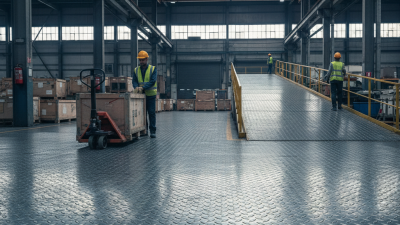
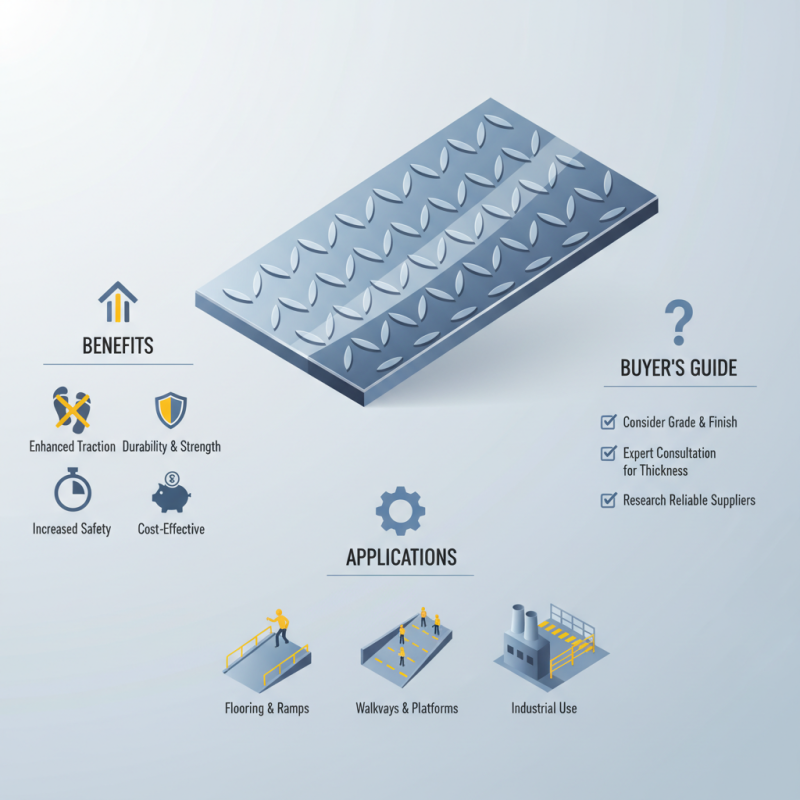
This type of steel plate finds extensive use in flooring, ramps, and walkways. Its raised patterns help prevent slips, making it ideal for high-traffic areas. Moreover, Checkered Steel Plate is lightweight yet strong, which assists in reducing overall construction costs. However, buyers must consider the specific grades and finishes available.
Though widely recognized for its advantages, challenges exist. Purchasing the right thickness and specifications may require expert advice. Additionally, not all suppliers maintain consistent quality standards. Thus, buyers should thoroughly research suppliers before making a decision. Choosing Checkered Steel Plate is a reliable option, but finding the right fit requires careful consideration.
Understanding Checkered Steel Plate: Definition and Composition
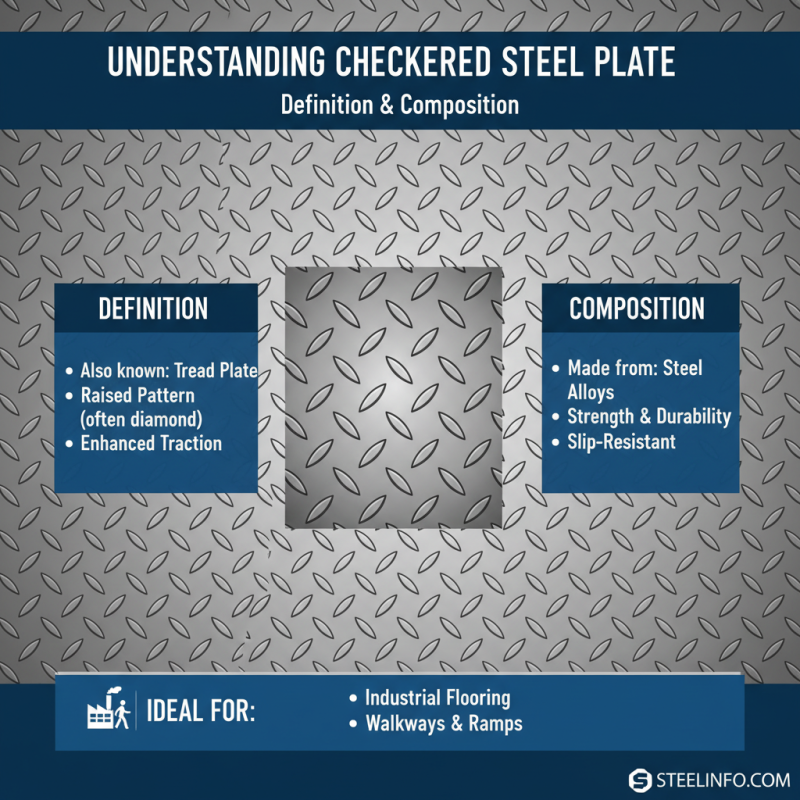
Checkered steel plates, also known as tread plates, are unique in both appearance and functionality. These plates feature a raised pattern, often diamond-shaped, that provides enhanced traction. They are made from various steel alloys, ensuring strength and durability. The pattern not only adds to their aesthetic appeal but also increases their resistance to slipping. This makes them ideal for flooring in areas where safety is a priority, such as industrial settings and walkways.
When considering checkered steel plates, it is essential to understand their composition. Typically, these plates consist of carbon steel or stainless steel, depending on the application. Carbon steel is strong and cost-effective, while stainless steel offers corrosion resistance. Each composition brings its advantages, which can influence your buying decision.
**Tips:** Choose the right thickness for your project. A thicker plate can bear more weight but might be heavier to handle. Evaluate your safety needs precisely before purchase. It's often overlooked how the surface finish impacts longevity. A well-maintained finish can extend the life of the plates significantly. Always reflect on the quality of your supplier to ensure you receive reliable materials.
Key Benefits of Using Checkered Steel Plates in Various Industries
Checkered steel plates are known for their unique surface patterns. These plates provide excellent slip resistance. They are essential in areas prone to spills or heavy foot traffic. Many industries rely on this material for safety and durability.
In construction, checkered steel plates enhance flooring and ramps. They withstand heavy loads without losing strength. Additionally, these plates are often used in truck beds for cargo security. Their design helps prevent slipping in rainy or snowy conditions, ensuring safety for workers.
Automotive and aerospace sectors benefit from their lightweight yet sturdy characteristics. Checkered plates improve vehicle body designs by adding texture and resilience. However, improper installation can lead to issues like warping. Buyers should consider the environment where these plates will be used to ensure optimal performance.
Common Applications of Checkered Steel Plates in Construction and Design
Checkered steel plates serve a broad range of functions in construction and design. Their unique texture provides excellent slip resistance, making them ideal for walkways and ramps. According to industry data, checkered steel plates can reduce slip hazards by up to 50%. This is crucial in environments where safety is a primary concern.
In construction, these plates are widely used for flooring, stairs, and platforms. They offer robust load-bearing capacity, often rated for over 1000 lbs per square foot. Additionally, their lightweight nature facilitates easier installation. However, it's essential to consider the potential for corrosion. While many checkered plates are treated to resist rust, regular maintenance is necessary.
Architects also appreciate the aesthetic element of checkered steel plates. They bring a modern look to industrial designs, often used in restaurant interiors and commercial spaces. Interestingly, while these plates enhance safety and appearance, they can sometimes show wear over time. Buyers should assess their specific needs and environment to determine the best options.
Factors to Consider When Purchasing Checkered Steel Plates
When purchasing checkered steel plates, several factors must be considered carefully. Buyers should evaluate the thickness and weight of the plates. Thinner plates are lightweight but may lack strength. Consider the purpose of the plate. A heavy-duty application requires thicker plates that can bear more weight.
Surface finish is crucial as well. A rough finish provides better traction, ideal for flooring or ramps. Alternatively, a smooth finish might suit aesthetic applications more. Understanding the intended use will guide your choice effectively.
Tips: Always check for quality certifications. This ensures that the plates meet safety standards. Consider the supplier's reputation in the market. Reliable suppliers often offer warranties, adding value to your purchase. Reflect on your specific needs; sometimes, opting for a customized solution may save costs and improve performance.
Maintenance and Care Tips for Checkered Steel Plates
Checkered steel plates are gaining popularity across various industries. However, their maintenance is a common concern. Regular upkeep can enhance their lifespan and preserve their aesthetic appeal. Industry data shows that proper maintenance can increase durability by up to 30%. This statistic emphasizes the necessity of routine checks.
Cleaning checkered steel plates requires attention. Use a mild detergent and lukewarm water. Avoid harsh chemicals that can corrode the surface. Routine inspections help detect early signs of rust or wear. This proactive approach is crucial for sustaining performance. Additionally, applying a protective coating can significantly reduce maintenance needs.
Storage conditions also impact longevity. Keeping plates in a dry, controlled environment is essential. Humidity can lead to deterioration. Ensure that stacked plates have sufficient airflow. Regular attention to these details can prevent costly replacements. Awareness of these factors can greatly influence the effectiveness of checkered steel plates in various applications.
Checkered Steel Plate Benefits and Applications for Buyers
| Benefit |
Application |
Maintenance Tips |
| Slip Resistance |
Flooring in industrial settings |
Regular cleaning and inspection for wear and tear |
| Durability |
Construction and transport sectors |
Avoid exposure to corrosive materials |
| Aesthetic Appeal |
Commercial buildings and shops |
Routine polishing and surface treatments |
| Weight Distribution |
Heavy equipment platforms |
Check for structural integrity periodically |
| Cost-Effective |
Utility and maintenance applications |
Keep away from chemical spills to prolong life |