10 Best High Carbon Steel Options for Your Projects?
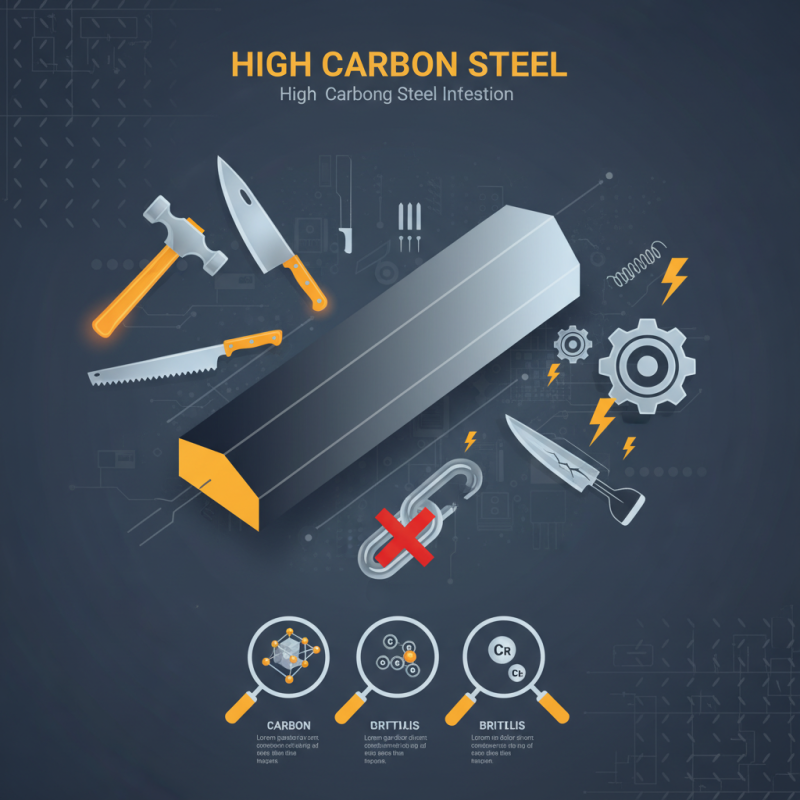
High Carbon Steel is a vital material in various industries, known for its exceptional hardness and durability. According to Dr. Michael Turner, a leading expert in metallurgy, "High Carbon Steel is crucial for crafting tools that withstand rigorous use." This statement highlights the significance of selecting the right high carbon steel for specific applications.
When working with High Carbon Steel, understanding its properties is key. The high carbon content, usually between 0.6% to 1.5%, gives this steel its strength and edge retention. However, it can be challenging to work with. Users must consider its brittleness, which can lead to fractures if not managed properly.
Choosing the best high carbon steel for your projects requires careful thought. Each type offers different advantages and may suit your needs differently. Thus, examining each option closely allows you to avoid costly mistakes. Proper research and understanding are essential for making informed choices in your projects involving High Carbon Steel.
Top Characteristics of High Carbon Steel and Its Applications
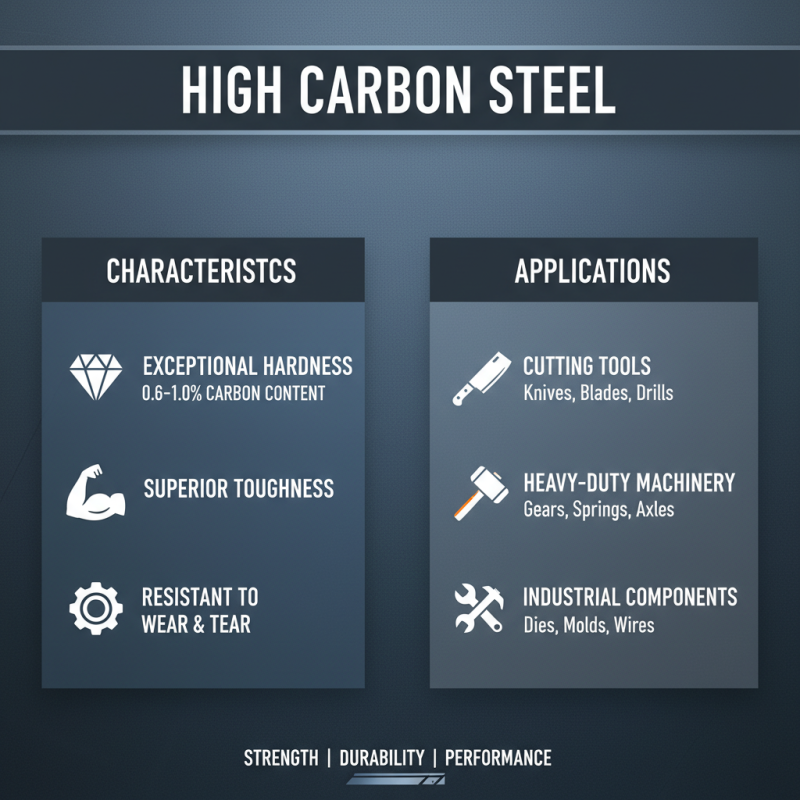
High carbon steel is known for its exceptional hardness and toughness. It typically contains 0.6% to 1.0% carbon. This composition makes it suitable for various applications, from cutting tools to heavy-duty machinery. The high carbon content enhances its strength, allowing it to withstand greater wear and tear.
This type of steel is ideal for tools like knives and chisels. Due to its durability, it maintains a sharp edge longer than other materials. However, the increased hardness can make high carbon steel challenging to work with. It can be brittle if not properly heat-treated. Users must balance hardness with ductility for the best results.
High carbon steel is also popular in construction and automotive sectors. Its strength is beneficial for structural elements. Yet, it is essential to consider the potential for rust and corrosion. Regular maintenance, like coating or oiling, can prolong its lifespan. Each project requires careful consideration of the specific qualities of high carbon steel to ensure optimal performance.
Factors to Consider When Choosing High Carbon Steel for Projects
When selecting high carbon steel for your projects, it's essential to consider various factors that impact performance. High carbon steel typically contains 0.60% to 1.0% carbon, providing significant hardness and strength. However, this increased carbon content can lead to brittleness, making it crucial to balance these properties with your intended application.
The alloying elements within the steel also play a role, affecting corrosion resistance and toughness. Choosing a suitable grade based on tensile strength needs is vital; for example, some applications may require minimal ductility, while others benefit from a more malleable option.
Heat treatment options are another critical factor. High carbon steel can be hardened through quenching and tempering processes, enhancing its mechanical properties. According to a report from the American Iron and Steel Institute, the right heat treatment can increase strength by up to 50%. Proper heat treatment can also change the steel’s impact resistance. Working with high carbon steel mandates attention to these processes. Miscalculations here can lead to material failure under stress.
Understanding specific project requirements, including temperature limits and stress levels, will guide your selection of high carbon steel effectively.
Comparison of the Hardness and Strength in Different High Carbon Steel Grades
High carbon steel is a popular choice in various projects due to its impressive hardness and strength. Among the different grades, 1060 and 1095 are notable for their exceptional properties. With a carbon content of 0.60% and 0.95%, respectively, these steels provide a balance between hardness and ductility. The Rockwell hardness scale shows that 1095 can reach up to 65 HRC, making it one of the hardest steels available. This hardness enables better edge retention, a crucial factor for tools and blades.
When comparing these high carbon grades, it is essential to consider their tensile strength as well. The ultimate tensile strength of 1095 can reach 850 MPa, while 1060 hovers around 700 MPa. This variation impacts the selection process for projects requiring specific strength levels. If a project demands additional flexibility, 1060 might be the better choice despite its lower hardness.
However, the increased hardness of high carbon steels may lead to brittleness. Users must be cautious during machining and heat treatment processes. Improper handling can cause cracks or fractures. Understanding each grade's properties can help avoid costly mistakes and ensure better project outcomes. Careful evaluation of project requirements is necessary.
Common High Carbon Steel Products and Their Uses in Various Industries
High carbon steel is a versatile material, widely used in various industries. It is known for its hardness and strength. Common products include cutting tools, knives, and springs. These items leverage high carbon steel's durability and resistance to wear.
In manufacturing, high carbon steel products play a crucial role. For instance, they are integral in producing surgical instruments. The precision and sharpness required for such tools depend on the qualities of high carbon steel. Similarly, in automotive applications, springs made from this steel must withstand extreme conditions.
Tips for working with high carbon steel: Always wear appropriate safety gear when handling sharp tools. When machining, keep an eye on the temperature; overheating can affect hardness. Lastly, consider surface treatment processes to enhance corrosion resistance. These steps ensure longevity and effectiveness in your projects.
Expert Recommendations: Maintenance and Care for High Carbon Steel Tools
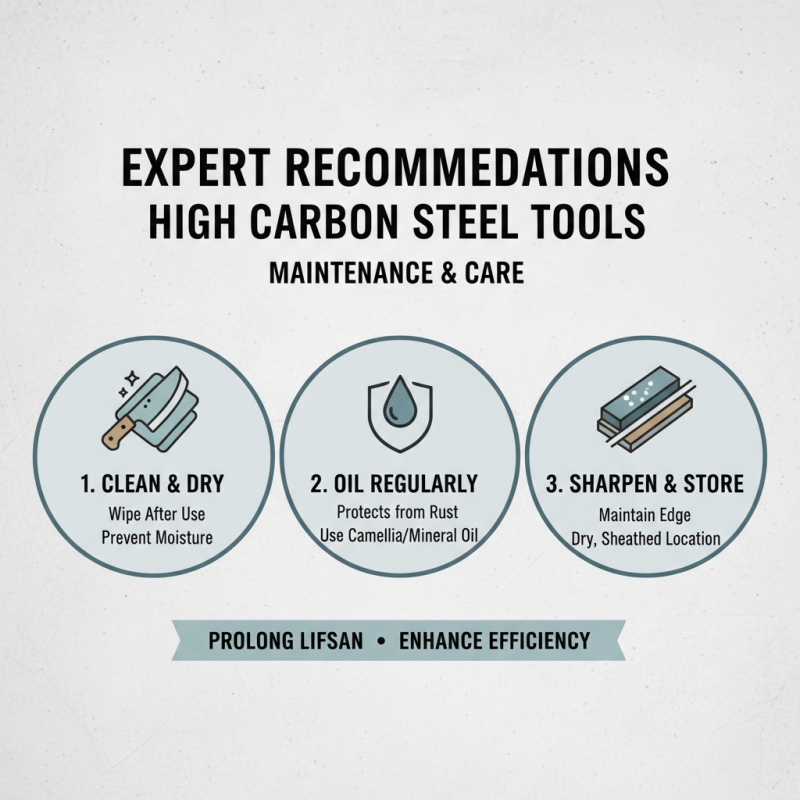
High carbon steel tools are known for their durability and sharpness but require specific maintenance to perform their best. Regular care not only prolongs their lifespan but also enhances efficiency. Ensure you keep your tools clean and free from moisture to prevent rust. A simple wipe-down after use can work wonders.
Maintaining an effective edge is crucial for high carbon steel tools. Regular sharpening using appropriate techniques is essential. Avoid using electric sharpeners that might overheat the steel, leading to loss of hardness. Instead, opt for whetstones or honing rods. A well-maintained edge makes for a safer and more enjoyable working experience.
Lastly, applying a light coat of oil prevents the formation of rust. Choose a food-safe mineral oil if your tools contact food. However, be mindful. Too much oil can attract dirt and debris, creating more problems than it solves. Balancing maintenance with usage is key. Finding the right approach will require some trial and error, but it’s worth the effort for high carbon steel enthusiasts.