Top Marine Steel Suppliers in China for Global Buyers?
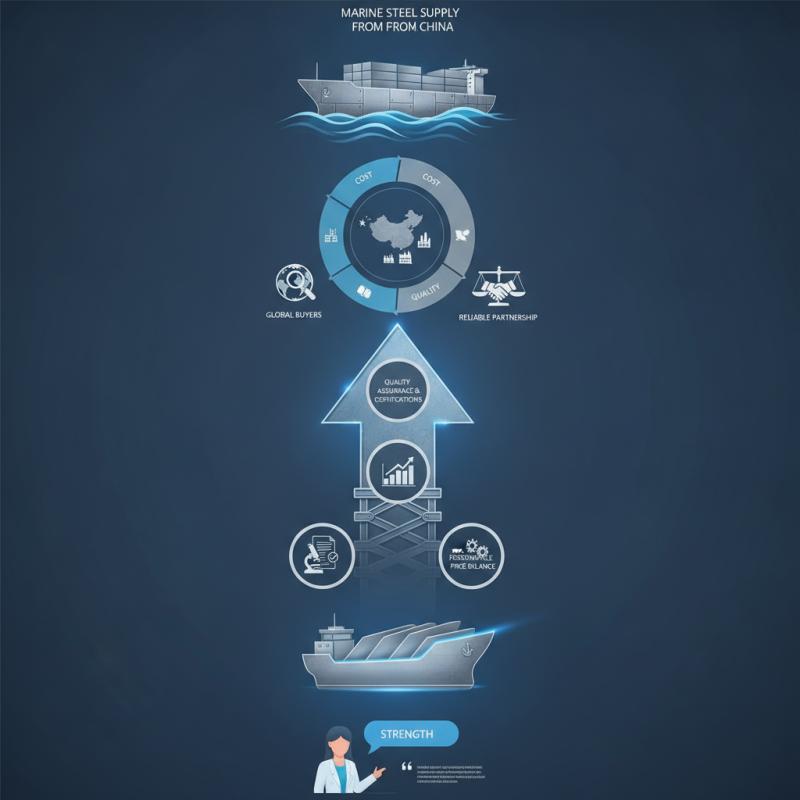
In the fast-paced and competitive world of marine construction, sourcing high-quality Marine Steel is crucial. Renowned industry expert Dr. Emily Chen emphasizes, “The strength of a vessel lies in its steel.” As global buyers seek dependable suppliers, China's marine steel market stands out.
China boasts a wide range of marine steel suppliers. These companies provide various grades and types, meeting diverse needs. However, not every supplier maintains the same quality standards. It’s essential for buyers to do thorough research. Establishing reliable partnerships is vital.
Transparency and quality assurance should be priorities. Some suppliers may offer low prices but compromise on standards. Buyers need to be vigilant. It’s important to verify certifications and past performance. Finding a balance between cost and quality can be challenging. The pursuit of the ideal Marine Steel supplier requires diligence and critical evaluation.
Overview of Marine Steel Market in China
The marine steel market in China is a vital component of the global supply chain. With the growing demand for reliable materials in shipbuilding and offshore structures, Chinese suppliers are stepping up their game. They offer diverse grades of steel, catering to various industrial needs. Quality control is a focus for these suppliers, ensuring products meet international standards.
Despite this, the market faces challenges. Not all suppliers maintain consistent quality. Some may cut corners to reduce costs. This inconsistency can affect the final product's durability. Buyers must conduct thorough research before selecting a supplier. Checking certifications and previous project references is crucial in this competitive industry.
The landscape in China is continually evolving. Technology plays a significant role in the manufacturing process. Advanced techniques improve efficiency and quality. However, companies must also adapt to environmental regulations. Balancing production goals with sustainability is essential for long-term success. Thus, understanding the market dynamics in China is key for global buyers.
Key Factors for Selecting Marine Steel Suppliers
When selecting marine steel suppliers, several critical factors should be considered. The global marine steel market was valued at approximately $8 billion in 2022. Factors such as certification, material quality, and supply chain reliability are vital for buyers. Certification ensures that the steel adheres to international standards. The right quality of steel can significantly impact the performance of marine vessels.
Another vital aspect is supplier experience. Established suppliers often have a track record of reliability, providing insight into their production and delivery capabilities. Reports indicate that suppliers with more than a decade of experience tend to have better resource management. Consistency in production volume and quality leads to stronger partnerships.
Logistics is another area to scrutinize. The supplier’s ability to deliver on time, especially in global shipping scenarios, is paramount. Delays can cause significant project setbacks. Notably, suppliers in proximity to key ports can reduce transport time and costs. Subpar logistics can lead to inefficiencies that ripple through the supply chain. Careful evaluation is necessary to identify potential pitfalls in supplier logistics.
Leading Marine Steel Suppliers in China
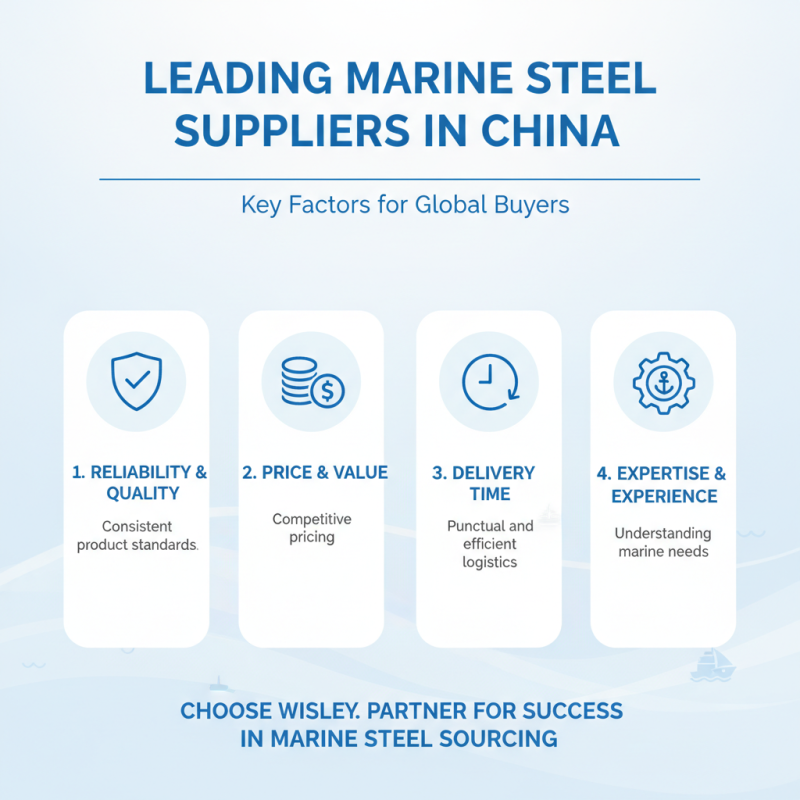
When sourcing marine steel from China, global buyers need reliable suppliers. The market offers diverse options. Each supplier varies in quality, price, and delivery time. Finding partners who understand the specific requirements of marine industries is crucial. Experience and expertise often set the leading suppliers apart in this competitive field.
Many marine steel suppliers in China have extensive backgrounds in manufacturing. They adhere to international quality standards. These suppliers often provide customized solutions to meet unique project needs. However, not all suppliers are transparent about their processes. Some may cut corners to reduce costs. Buyers must conduct thorough research. Verify certifications and review past projects to ensure they choose reputable partners.
Communication plays a key role in successful partnerships. Effective dialogue helps to clarify expectations and prevent misunderstandings. Nevertheless, language barriers and cultural differences can lead to challenges. It's vital to remain patient and open-minded when dealing with international partners. Understanding the nuances of doing business in China can enhance collaboration.
Comparative Analysis of Quality and Pricing
When considering marine steel supplies in China, quality and pricing are crucial factors for global buyers. The Chinese market features numerous suppliers, each with different standards. Quality inspection processes can vary. Some suppliers adhere to stringent international standards, while others may cut corners to reduce costs. This inconsistency poses a risk for buyers seeking reliability.
Pricing structures also reflect the quality of materials and production techniques. Higher prices may indicate superior materials, but this is not always the case. Some suppliers offer low-cost options, which can tempt buyers. However, these cheaper products may lack durability. Buyers must balance cost against potential long-term expenses from inferior material failures.
Research is pivotal. Engage with different suppliers to gather insights. Compare their offerings thoroughly. Some suppliers may provide detailed technical documentation and certifications, while others might not. This disparity could impact your decision-making. Understanding these subtle differences will enhance your sourcing strategy. Ultimately, the right choice aligns with project requirements and budget constraints, but it requires diligent assessment.
Comparative Analysis of Marine Steel Quality and Pricing
Global Shipping and Logistics for Marine Steel Products
Global shipping and logistics are essential for the marine steel industry. The demand for marine steel products has surged, particularly with the growth of shipbuilding and construction industries. The International Maritime Organization (IMO) reports that over 90% of global trade is transported by sea. This highlights the importance of robust logistics frameworks for marine steel suppliers.
Shipping marine steel has its challenges. Delays can arise from customs issues, port congestion, or unexpected weather conditions. According to a recent industry analysis, logistics costs account for nearly 10-15% of total expenses in marine steel shipments. Efficient logistics require reliable partnerships with freight forwarders and effective supply chain management.
Some suppliers outsource logistics to specialized companies. These firms can optimize shipping routes and reduce transit times. However, this approach can lead to discrepancies in communication. Transparency in logistics processes is crucial for maintaining strong supplier relationships. Effective tracking systems can mitigate some logistical difficulties, providing real-time updates for buyers. Still, the industry faces constant pressure to improve efficiencies while managing costs.