The Best 10 Benefits of Using Copper Pipes in Plumbing Systems?
Copper pipes have long been a staple in plumbing systems, thanks to their durability and efficiency. According to a report by the Plumbing Industry Association, 75% of plumbing professionals prefer copper over other materials for its long lifespan and resistance to corrosion. This makes copper pipes a wise investment for homeowners and builders alike.
Expert in plumbing technology, Dr. Sarah L. Mitchell, emphasizes, “Choosing copper pipes ensures not just longevity but also cleaner water delivery.” This statement highlights the importance of quality materials in plumbing. Copper's natural antimicrobial properties contribute significantly to water safety, ensuring that contaminants are minimized.
While the benefits are clear, it is essential to consider installation costs and labor. Copper pipes can be more expensive than alternatives like PVC or PEX. However, their longevity often offsets these initial costs. Reflecting on the pros and cons of copper pipes will help make informed decisions about plumbing systems. The choice ultimately impacts both water safety and plumbing longevity.
The Durability and Longevity of Copper Pipes in Plumbing Systems
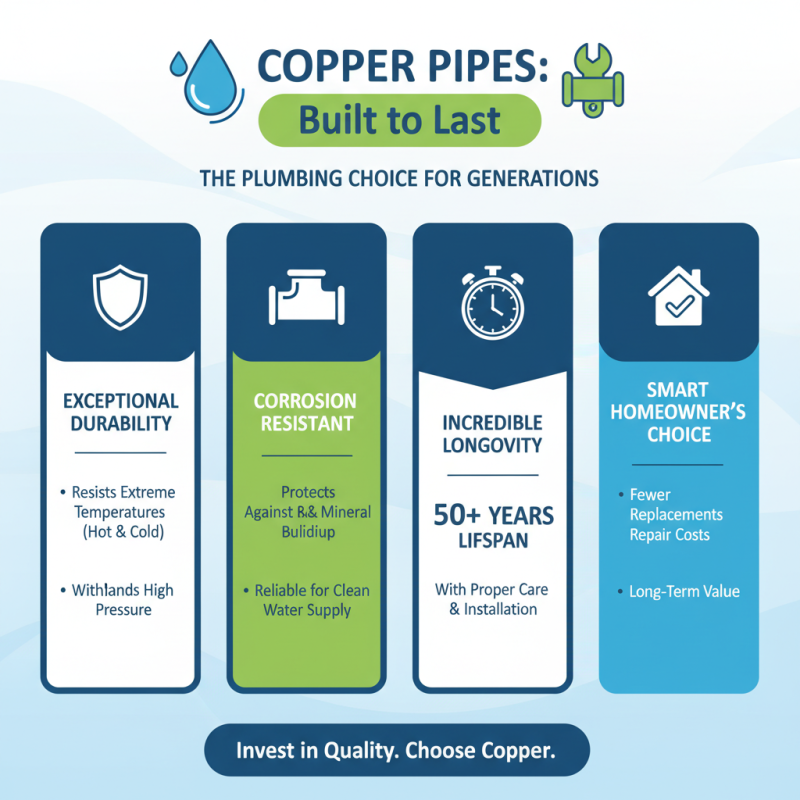
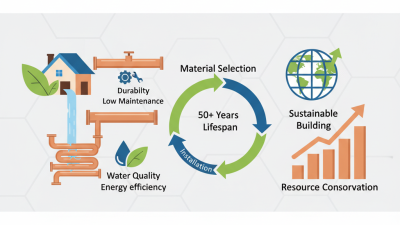
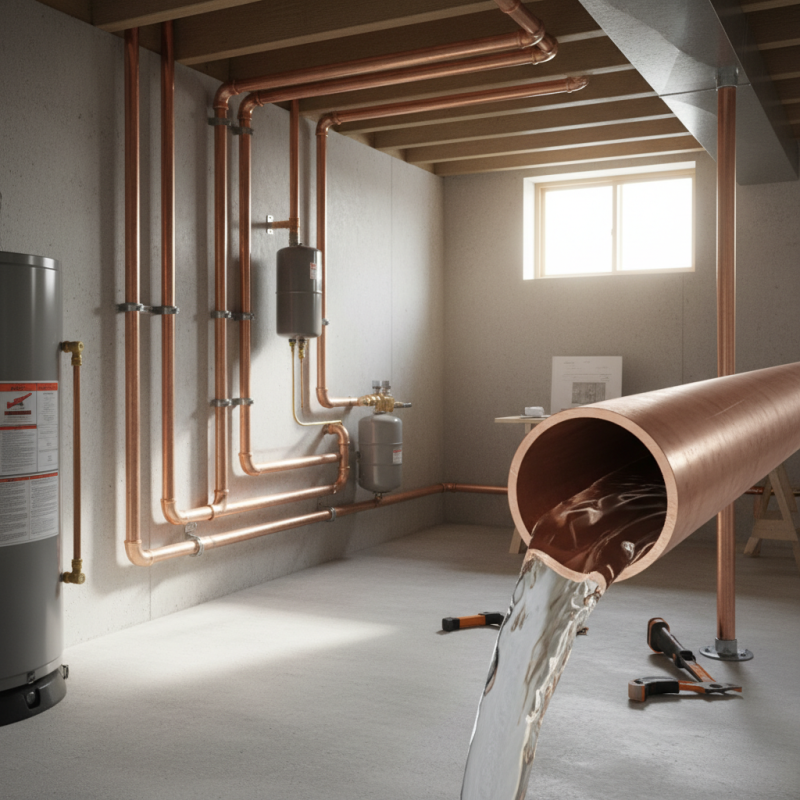
Copper pipes have earned a reputation for their durability and longevity in plumbing systems. Unlike other materials, copper can withstand extreme temperatures and high pressures. It resists corrosion effectively, making it a reliable choice for water supply. Homeowners appreciate that copper pipes can last for over 50 years with proper care. This quality ensures fewer replacements and repairs over time.
However, some may overlook the initial cost of copper piping. While it can be higher than alternatives, the long-term savings are significant. With proper insulation, copper pipes maintain optimal temperatures, improving energy efficiency. Regular inspections can catch minor issues before they become major problems, ensuring the lifespan of your plumbing system.
Tips: Always hire licensed plumbers for installation. They understand the nuances of copper plumbing. Consider routine maintenance checks every few years. This will help to identify rust or leaks early. Lastly, educate yourself about water quality; impurities can affect pipe health over time. Making informed choices will safeguard your investment and ensure lasting performance.
Resistance to Corrosion: How Copper Enhances Water Quality
Copper pipes offer significant advantages in plumbing systems, particularly when it comes to resistance to corrosion. Unlike other materials, copper does not corrode easily. This property helps maintain water quality, ensuring that it remains safe for consumption. Corrosion can leach harmful substances into drinking water, leading to health risks. Copper pipes can prevent this, making them a reliable choice for plumbing.
One key advantage is that copper has antibacterial properties. It naturally inhibits the growth of harmful bacteria. This is a crucial factor in maintaining clean drinking water in your home. Opting for copper can enhance the hygiene of your plumbing system. Additionally, copper pipes have a long lifespan. They can last over 50 years with proper installation. This long durability reduces the need for frequent replacements.
Tips: Always check for any visible signs of wear or damage to your copper pipes. Regular maintenance can help identify issues before they become significant problems. Also, ensure that joints and fittings are adequately sealed. This helps prevent leaks and maintain system integrity. Finally, consider consulting a plumbing professional for installation and maintenance guidance. Their expertise ensures your plumbing system operates efficiently.
Thermal Conductivity: The Energy Efficiency of Copper Pipes
When considering plumbing materials, thermal conductivity is a key factor. Copper pipes excel in this area, making them a preferred choice for many systems. According to the Copper Development Association, copper has a thermal conductivity of 401 W/m·K, significantly outperforming PVC and PEX. This efficient energy transfer helps maintain consistent water temperatures, reducing energy costs and enhancing comfort.
Moreover, copper's inherent ability to transfer heat quickly contributes to lower energy consumption in heating systems. Studies show that homes using copper piping for heating experience up to 30% less energy loss compared to those using alternatives. This efficiency is crucial in both residential and commercial applications, where energy waste can lead to increased bills and environmental impact.
However, not all is perfect with copper. Its initial installation costs can be higher than other materials. Some argue that long-term savings are not always realized due to fluctuating energy prices. Furthermore, copper can be subject to corrosion over time, which may lead to leaks. Regular maintenance is essential to counter these issues. Balancing the benefits with potential drawbacks requires thoughtful consideration by homeowners and professionals alike.
The Best 10 Benefits of Using Copper Pipes in Plumbing Systems: Thermal Conductivity - The Energy Efficiency of Copper Pipes
| Benefit |
Description |
Energy Efficiency Rating |
Longevity (Years) |
| Thermal Conductivity |
Copper pipes transfer heat efficiently, reducing energy costs. |
High |
50+ |
| Corrosion Resistance |
Copper is resistant to corrosion, prolonging system life. |
Medium |
50+ |
| Durability |
Strong and durable, able to withstand high pressures. |
High |
50+ |
| Antimicrobial Properties |
Helps to keep water free from bacteria. |
High |
50+ |
| Recyclability |
Can be recycled without loss of quality. |
High |
N/A |
| Resistance to Freezing |
Doesn't crack under freezing conditions. |
Medium |
50+ |
| Temperature Regulation |
Helps maintain consistent water temperatures. |
High |
50+ |
| Lightweight |
Easier to handle and install compared to other metals. |
Medium |
N/A |
| Aesthetic Appeal |
Visually appealing for exposed installations. |
High |
N/A |
Antimicrobial Properties of Copper: A Healthier Plumbing Option
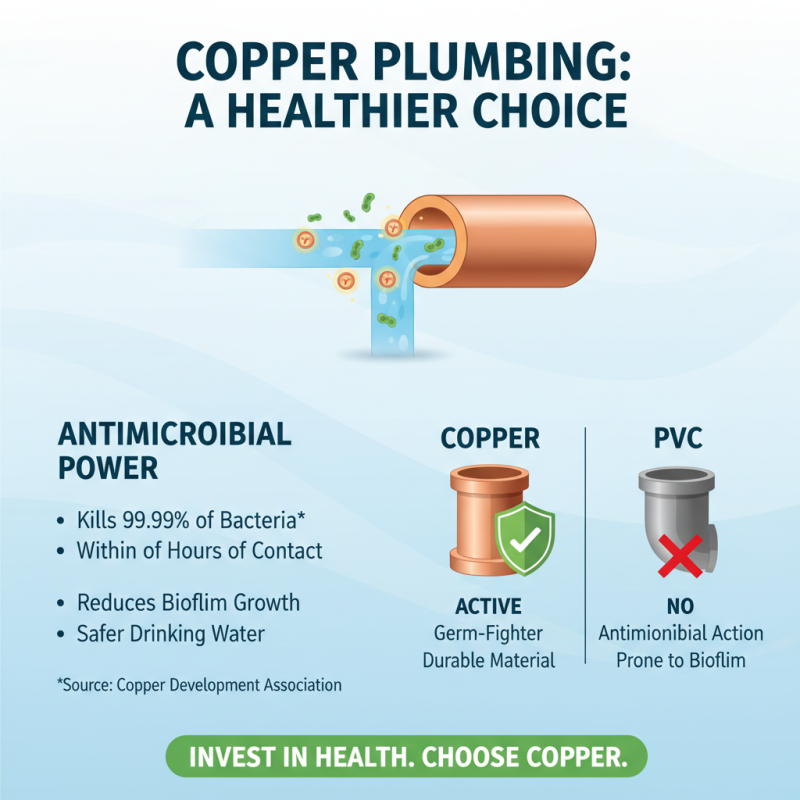
Copper pipes offer significant health benefits, particularly due to their unique antimicrobial properties. According to the Copper Development Association, copper can kill up to 99.99% of harmful bacteria within just two hours of contact. This feature makes copper an excellent choice for plumbing systems. In comparison, traditional materials like PVC do not possess similar germ-fighting capabilities.
The antimicrobial properties of copper significantly reduce the risk of waterborne diseases. This is particularly beneficial in households with vulnerable individuals, such as children or the elderly. The World Health Organization has recognized the advantages of using copper plumbing to enhance water quality. By proactively preventing bacterial growth, copper pipes contribute to safer drinking water and a healthier environment.
However, it is essential to acknowledge potential challenges. Copper's susceptibility to corrosion can lead to issues if water quality is not monitored. Factors like pH levels and mineral content can impact its longevity. Homeowners must remain vigilant about their plumbing systems to maximize the benefits of copper while minimizing potential drawbacks. This careful approach can ensure a healthier home.
Cost-Effectiveness of Copper vs. Other Plumbing Materials Over Time
When considering plumbing materials, cost-effectiveness is crucial. Copper pipes offer significant long-term savings compared to alternatives like PVC or PEX. Although upfront costs for copper are higher, their durability compensates for the initial investment. For instance, copper can last more than 50 years with proper care, while PVC may only last a couple of decades. Over time, reduced replacement costs establish copper as a wise choice.
Another factor to consider is maintenance. Copper pipes resist corrosion, which can lead to fewer leaks and repairs. This resistance can save homeowners both time and money on plumbing issues. In contrast, materials like PEX can degrade under certain environmental conditions, potentially leading to costly replacements. While PEX might appear cheaper, hidden costs may arise from frequent repairs and replacements.
Lastly, let's reflect on the environmental impact. Copper is recyclable, adding another layer of cost-effectiveness. Choosing copper supports sustainability alongside budgeting concerns. However, some may overlook the environmental benefits in favor of low initial costs. It's essential to weigh immediate savings against long-term value when selecting plumbing materials.
The Cost-Effectiveness of Copper vs. Other Plumbing Materials Over Time