How to Source High Strength Steel for Global Procurement?
In today's competitive market, sourcing high strength steel is paramount for industries worldwide. According to Mark Johnson, a leading expert in materials engineering, "The key to success in global procurement of high strength steel lies in understanding local supply chains." His words highlight the importance of sourcing strategies that adapt to various regional demands.
High strength steel offers numerous benefits, including enhanced durability and reduced weight. These advantages drive its demand across sectors like automotive and construction. However, identifying reliable suppliers can be challenging. Companies often face issues with quality control and delivery timelines. This volatility requires a clear understanding of potential pitfalls.
Creating partnerships with reputable manufacturers is essential. Engaging with local suppliers can also bolster supply chain stability. Investing time in research and developing relationships with experts can yield significant rewards. As the industry evolves, staying informed about advancements in high strength steel is crucial for maintaining competitiveness.
Understanding High Strength Steel and Its Applications
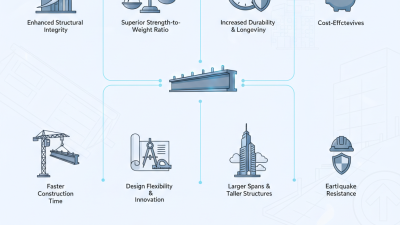
High strength steel is widely used in various industries. Its applications range from automotive manufacturing to construction. This material offers improved strength-to-weight ratios, making it ideal for structures that require both durability and weight efficiency.
Understanding the properties of high strength steel is crucial. This steel is designed to withstand significant stress, yet it remains lightweight. In automotive design, it leads to fuel-efficient vehicles. In construction, it enables the design of taller skyscrapers and safer bridges. However, sourcing this material can be challenging, requiring careful evaluation of suppliers' reliability and quality assurance practices.
The market for high strength steel is competitive and ever-changing. Prices fluctuate based on global demand and availability. Some suppliers may not meet the required standards. Conducting thorough research and establishing strong relationships with trusted manufacturers is necessary. This approach ensures access to high-quality steel for future projects. Balancing cost and quality can be a tricky endeavor. Proper planning and frequent supplier assessments are vital for successful procurement.
How to Source High Strength Steel for Global Procurement
| Material Type |
Yield Strength (MPa) |
Tensile Strength (MPa) |
Elongation (%) |
Common Applications |
| High Strength Low Alloy Steel (HSLA) |
350-480 |
450-620 |
12-20 |
Automotive, Construction |
| Dual Phase Steel |
600-800 |
780-950 |
18-25 |
Automotive Body Parts |
| Transformation Induced Plasticity Steel (TRIP) |
600-900 |
700-1000 |
20-30 |
Construction, Auto Parts |
| Pressure Vessel Steel |
300-500 |
500-700 |
18-22 |
Pressure Vessels, Oil & Gas |
| Maraging Steel |
1400-2000 |
1800-2400 |
5-10 |
Aerospace, Tooling |
Identifying Reliable Suppliers for High Strength Steel
Identifying reliable suppliers for high strength steel is crucial in today's global market. Start by assessing the supplier’s technical capabilities. Check their certifications and production processes. Visit their facilities if possible. Seeing manufacturing practices firsthand builds trust. Look for suppliers with proven experience in the industry and a solid track record of meeting quality standards.
Networking within industry circles can provide valuable insights. Attend trade shows and conferences, engaging with other professionals. Recommendations can lead to quality suppliers. Utilize online platforms that aggregate supplier reviews and ratings. This data can help pinpoint those with strong reputations. Be cautious, as some reviews may not always reflect reality.
Establish clear communication with potential suppliers. Discuss your specific needs, including material specifications and delivery timelines. Transparency about expectations builds a strong foundation. Evaluate their responsiveness and willingness to collaborate. Suppliers should be open to feedback and willing to adapt to changes. This flexibility is often a sign of a reliable partner in the high strength steel supply chain.
Global Procurement of High Strength Steel - Supplier Reliability Assessment
This chart illustrates the reliability assessment of various suppliers in sourcing high strength steel based on critical factors such as quality, delivery time, and customer service.
Evaluating Quality Standards and Certifications for Steel Sourcing
When sourcing high strength steel globally, it's crucial to evaluate quality standards and certifications. Not all steel meets the required structural integrity. Research from the World Steel Association shows that around 15% of steel produced globally does not meet basic quality benchmarks. Understanding these standards can help ensure procurement success.
Certifications are essential indicators of a supplier's reliability. The ISO 9001 certification is commonly recognized, signifying a commitment to quality management systems. However, not every supplier holds this certification. It's estimated that over 30% of suppliers in emerging markets lack proper quality certifications. This gap can lead to sourcing inferior materials, risking project safety and performance.
Moreover, regional standards such as ASTM in the U.S. and EN standards in Europe offer additional layers of quality assurance. Each has specific testing methods and criteria. However, navigating these standards can be complex. Many buyers report confusion regarding compliance, highlighting the need for informed decisions. Prioritizing suppliers with robust certifications can mitigate risks associated with low-quality steel. Nevertheless, it’s wise to perform regular audits and inspections for ongoing quality assurance.
Navigating Global Logistics for Steel Procurement
Navigating global logistics for steel procurement is complex. Understanding the transportation landscape is crucial. Each region has its own challenges. The quality of steel and delivery time must align. Suppliers come from various countries, each with unique regulations. These can impact timelines and costs.
Choosing the right logistics partner is vital. Not every shipping company is experienced in heavy materials. A partner’s reliability can determine your success. Often, miscommunication arises. Product specifications must be clear. Small errors can lead to significant delays and increased expenses.
Tracking shipments in real-time helps mitigate risks. It allows for quicker decisions if issues arise. Additionally, embracing technology can enhance logistics. Invest in software that provides transparency throughout the supply chain. It's essential to foster relationships with freight forwarders. This can provide valuable insights into local markets. Stay informed about potential disruptions, such as political instability or natural events.
Cost Analysis and Budgeting for High Strength Steel Acquisition
Cost analysis and budgeting for high strength steel acquisition is crucial for efficient global procurement. Understanding the factors influencing costs can lead to better decision-making. Prices vary significantly based on quality, quantity, and geographical location. Analyzing market trends helps in estimating future costs. Additionally, tariffs and logistics expenses can impact overall budgets.
When drafting a budget, consider the assembly costs as well. Engaging numerous suppliers increases complexity. It's vital to streamline supplier interactions to save time and reduce errors. Inaccurate forecasting can lead to underestimating expenses or over-purchasing materials. This requires careful planning and frequent assessments of supplier performance.
Regularly revisiting budget assumptions is essential. Market conditions can shift unexpectedly, affecting steel prices. Businesses must remain flexible and responsive. It's common for organizations to overlook hidden expenses such as storage and quality control. Identifying these factors can prevent budget overruns and maintain project viability. Balancing cost with quality is challenging and often requires ongoing reflection and adjustment.