Why Choose Marine Steel for Your Next Project?
When considering materials for marine construction, the choice of steel is crucial. Renowned marine engineer, Dr. Emily Hart, emphasizes, "Marine Steel is essential for lasting durability and safety." This statement highlights the importance of selecting the right steel for projects in harsh maritime environments.
Marine Steel presents unique benefits. It withstands corrosion, stands up to extreme weather, and offers significant strength. Many industries, from shipping to offshore drilling, rely on this specialized material. However, it can come with higher upfront costs. Some projects may overlook these costs, focusing solely on initial savings. This can lead to higher maintenance expenses down the road.
Deciding on Marine Steel means choosing long-term reliability over short-term gains. A project that ignores this will face potential failures. The right choice not only enhances performance but also ensures safety. In this sector, making informed decisions is key to project success and sustainability.
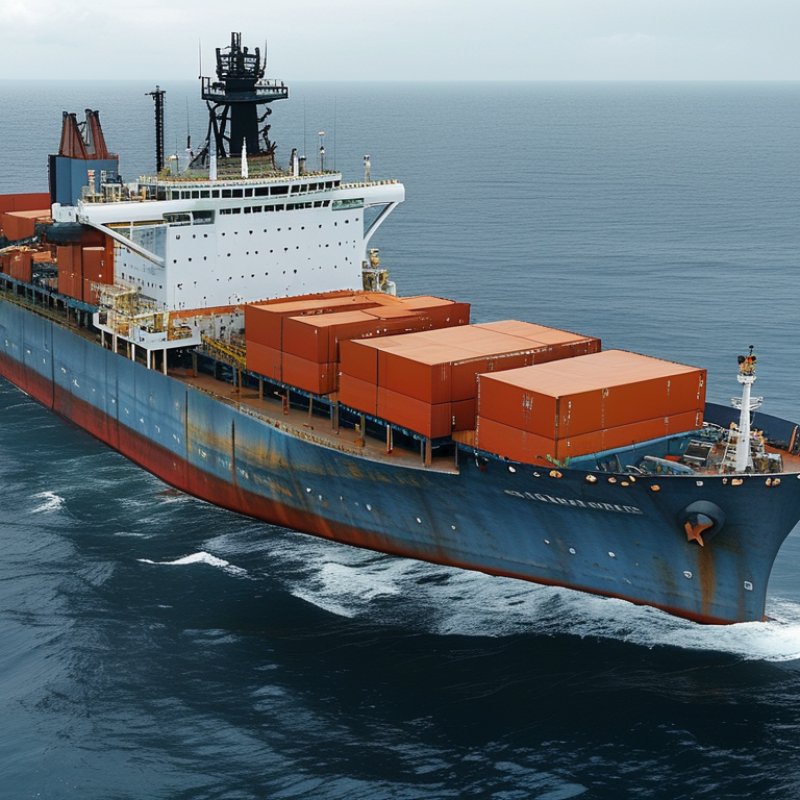
Advantages of Marine Steel in Construction Projects
Marine steel is increasingly becoming the material of choice for construction projects, especially in challenging environments. Its inherent resistance to corrosion makes it ideal for coastal and marine structures. The unique properties of marine steel ensure longevity. Structures made with marine steel can withstand harsh weather and saline conditions.
Another notable advantage is the strength-to-weight ratio of marine steel. This means less material is needed, which can lead to cost savings in the overall project. The durability of marine steel also translates into reduced maintenance costs over the project's lifespan. These factors contribute to successful and sustainable construction practices.
However, while marine steel has many benefits, it also presents some challenges. Proper handling and welding techniques are crucial. Missteps can lead to weaknesses in the structure. Additionally, the initial cost may be higher than other materials. Evaluating these aspects ensures that marine steel serves its purpose effectively in projects. Careful planning and expert guidance are key to overcoming these hurdles.
Key Properties of Marine Steel that Enhance Durability
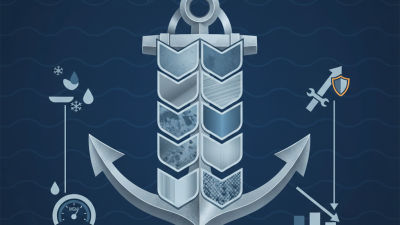
Marine steel offers exceptional properties that enhance durability in various marine applications. One of the key advantages of marine steel is its resistance to corrosion. This property is vital for structures exposed to harsh environments, including saltwater and extreme weather. Marine steel often contains additives that improve its performance in these challenging conditions. The result is a longer lifespan for ships, docks, and offshore platforms.
Another significant characteristic is its high strength-to-weight ratio. This feature allows for lighter, more efficient designs. Engineers and designers can create robust structures without adding excessive weight. Such efficiency is essential for fuel savings and improved performance. However, this strength can sometimes lead to overconfidence in design choices, which warrants careful consideration during the planning phase.
When selecting marine steel, consider these practical tips. First, evaluate the specific environmental conditions your project will face. Second, keep in mind the importance of quality certifications and standards. This ensures the material meets required specifications. Lastly, consulting with experts in marine construction can provide valuable insights, preventing costly mistakes in your project's design and implementation.
Durability Comparison of Marine Steel vs. Standard Steel
Cost-Effectiveness of Marine Steel Compared to Alternative Materials
When considering materials for construction, marine steel stands out for its cost-effectiveness. In marine environments, durability is crucial. Marine steel is engineered to resist corrosion and withstand harsh conditions. This leads to reduced maintenance costs over time, unlike other materials that may require frequent replacements or additional treatments.
Using marine steel can be a smart financial choice. Initial costs may seem higher than alternatives like aluminum or fiberglass. However, the long-term savings from reduced repairs and upkeep justify this investment. Projects utilizing marine steel tend to have a longer lifespan, which returns value over the years.
Not every project may benefit equally from marine steel. It is heavier than some alternatives, which can impact design decisions. Importantly, ensure that the specific needs of your project align with the properties of marine steel. A thorough analysis can highlight potential drawbacks or reflect a need for adjustments in your approach. Understanding these nuances is vital for effective planning.
Environmental Considerations for Using Marine Steel
Marine steel is increasingly recognized for its environmental benefits in construction and maritime projects. This type of steel is designed to withstand harsh marine environments, reducing the need for frequent replacements. According to a report by the World Steel Association, using durable materials like marine steel can extend the lifecycle of structures, thereby minimizing waste. The use of this steel supports sustainable practices by lowering resource consumption over time.
Environmental considerations for marine steel also include its recyclability. Steel is one of the most recycled materials globally, and marine steel is no exception. In fact, the Steel Recycling Institute notes that more than 85% of steel products are recycled at the end of their life cycle. This capability significantly decreases landfill waste and conserves natural resources. However, challenges exist in producing steel sustainably, as the production process can emit high levels of carbon if not managed properly.
Additionally, sourcing marine steel can be influenced by local environmental regulations. Offshore mining for certain materials has raised concerns. Despite its benefits, each project must carefully evaluate the environmental impact of sourcing marine steel, taking into account the entire lifecycle from production to disposal. Balancing durability with ecological responsibility remains a critical conversation in the industry.
Applications of Marine Steel in Various Industries
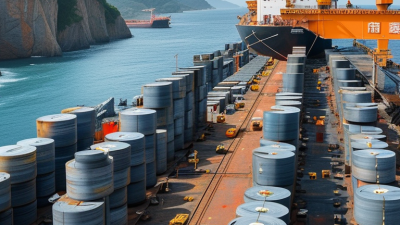
Marine steel has become a cornerstone in various industries due to its exceptional durability and resistance to corrosion. This material is extensively used in shipbuilding, offshore structures, and marine engineering projects. Its ability to withstand harsh ocean environments makes it a preferred choice for constructing vessels and platforms. Industries like oil and gas, shipping, and renewable energy leverage marine steel for its strength and longevity.
In shipbuilding, marine steel is essential for hull construction. Its thickness varies to meet the structural requirements of different ship types. Offshore oil rigs also rely on this steel for their frames and pipelines, ensuring safety and stability in extreme conditions. Wind turbine installations at sea benefit from marine steel's resilience, allowing for efficient energy production.
Consider the following tips when choosing marine steel for your project. Always assess the environmental conditions of your project site. Ensure the steel grade meets industry standards for your specific application. A thorough understanding of the maintenance needs of marine steel will enhance its lifespan. Challenges can arise in welding and fabrication, so seek professional advice if needed. Overall, selecting the right marine steel is a key step towards successful project completion.
Why Choose Marine Steel for Your Next Project? - Applications of Marine Steel in Various Industries
| Industry |
Application |
Benefits of Marine Steel |
| Shipbuilding |
Hull Construction |
Corrosion Resistance, Durability |
| Offshore Platforms |
Structural Framework |
Strength, Longevity |
| Marine Equipment |
Cranes and Winches |
High Load Capacity, Safe Operations |
| Fishing Vessels |
Fishing Trawlers |
Resilience, Maintenance Savings |
| Yacht Manufacturing |
Luxury Yachts |
Aesthetic Appeal, Structural Integrity |