

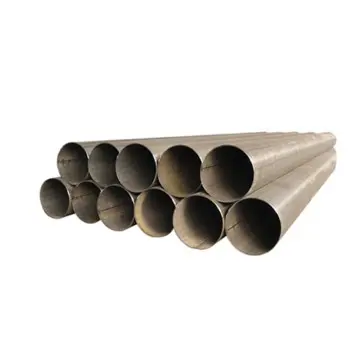
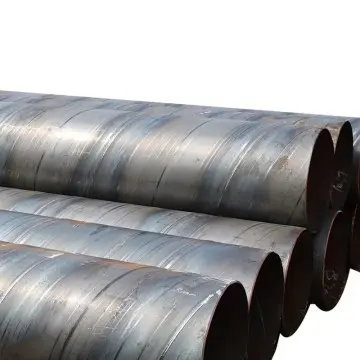
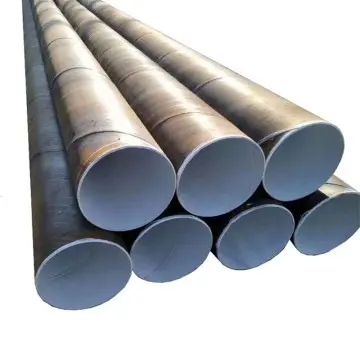


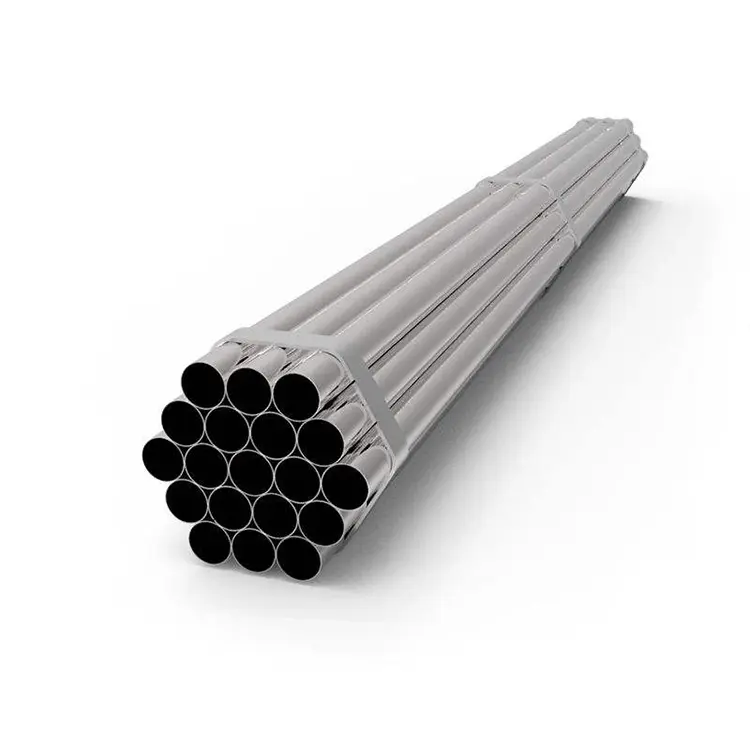
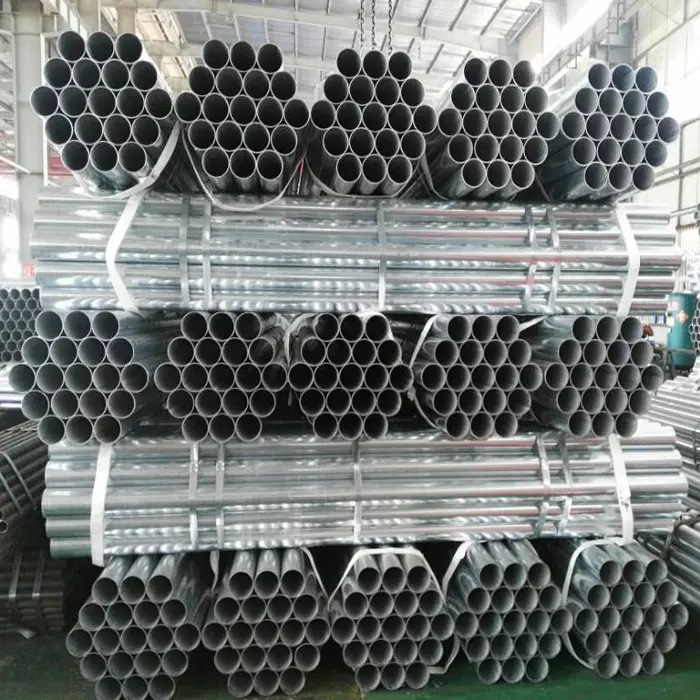
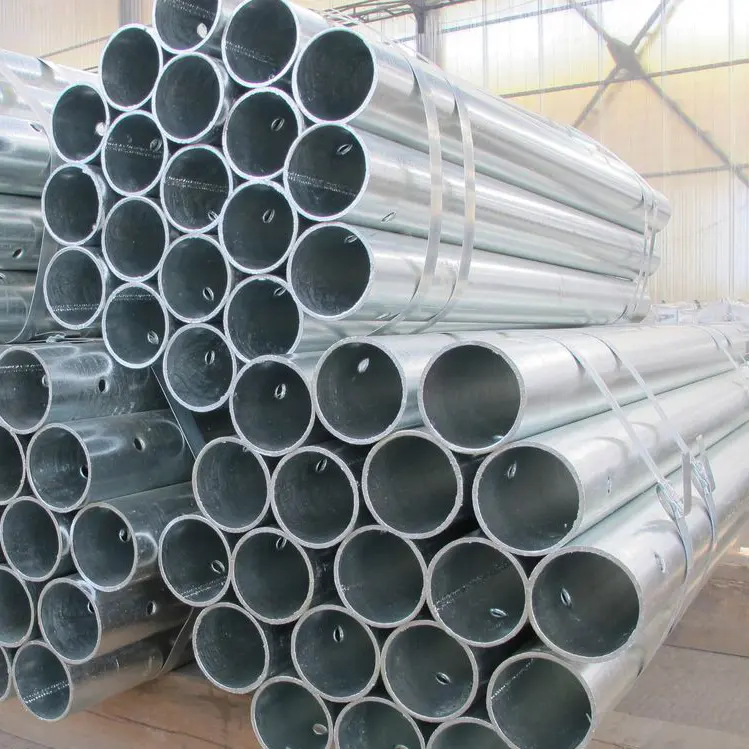
Q195, Q235, Q345 electrogalvanized pipe
specification
|
Product Name |
Electrogalvanized pipe |
|
Standard |
ASTM A53、ASTM A500、GOST 3262、BS 1387、DIN 2440、JIS G3444, etc. |
|
Material |
Q195, Q215, Q235, Q345, A36、A500、A500 Grade A、B、C、St3、St20、S235、S275、St37、St52、SS400、SS490, etc. |
|
Zinc Layer |
50 microns to 200 microns |
|
Outer diameter range |
American Standard (ASTM): ASTM A53: Outside diameters typically range from 1/2 inch (approximately 12.7 mm) to 36 inches (approximately 914.4 mm). Russian Standard (GOST): GOST 3262: The outer diameter range is generally 15 mm to 200 mm, and the specific size can be customized according to requirements. British Standard (BS): BS 1387: Outside diameters typically range from 1/2 inch (approx. 12.7 mm) to 6 inches (approx. 168.3 mm). German Standard (DIN): DIN 2440: The outer diameter range is generally from 21.3 mm to 168.3 mm. Japanese Standard (JIS): JIS G3444: The outer diameter range is usually 13.5 mm to 300 mm. |
|
Thickness range |
American Standard (ASTM): ASTM A53: Wall thickness typically ranges from 0.3 inches (about 7.62 mm) to 0.5 inches (about 12.7 mm), depending on the size and grade of pipe. Russian Standard (GOST): GOST 3262: The wall thickness range is generally 1.5 mm to 10 mm, and the specific requirements may depend on the use environment. British Standard (BS): BS 1387: Wall thickness typically ranges from 2.0 mm to 6.0 mm, depending on the outside diameter of the pipe. German Standard (DIN): DIN 2440: Wall thickness generally ranges from 2.0 mm to 6.0 mm, depending on the outer diameter of the pipe. Japanese Standard (JIS): JIS G3444: Wall thickness typically ranges from 1.5 mm to 6.0 mm, depending on the outer diameter of the pipe. |
|
Length range |
The longest length is 6 meters, and can be customized by customers |
|
Error |
±1% |
|
Certification |
ISO 9001 ,CE,API |
|
Country of origin |
China |
|
Main Applications |
1.Construction Industry: Used in building structures, support frames, fences, stair handrails, etc., providing good strength and corrosion resistance. |
|
2.Plumbing and drainage systems: For use in water supply pipes and drainage systems, especially where corrosion protection is required. |
|
|
3.Power Industry: Cable protection tubes used in power transmission and distribution systems to ensure the safety and durability of cables. |
|
|
4.Agriculture: Provides corrosion-resistant solutions for greenhouse structures, irrigation systems and agricultural equipment. |
|
|
5.Furniture and Household Goods: Used in the manufacture of furniture, shelving, and other household items for its aesthetic appearance and durability. |
|
|
6.Transportation: Used in automobile, motorcycle and other transportation components to provide strength and corrosion resistance. |
|
|
7.Industrial Equipment: Used in various industrial equipment and machinery structural parts to ensure their service life in harsh environments. |
|
|
Package |
Simple packaging, reinforced packaging, wooden frame, metal frame, pallet, wrapping |
|
Payment Term |
TT, LC,Cash, Paypal, DP, DA,Western Union or Others. |
|
After-sales service |
1. Quality assurance period 2. Return and exchange policy 3. Delivery and acceptance assistance 4. Customer feedback collection |
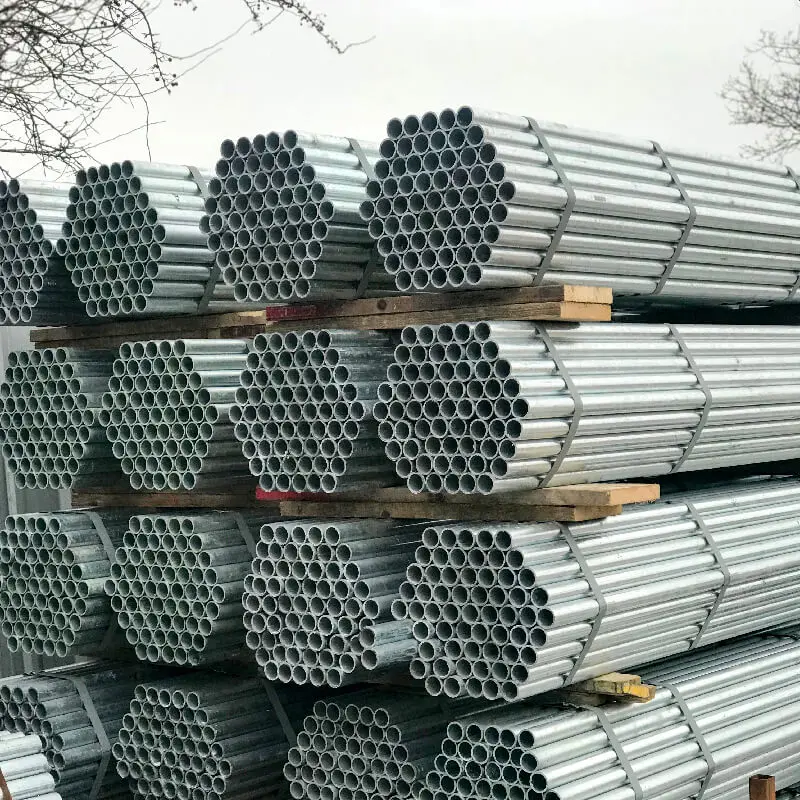
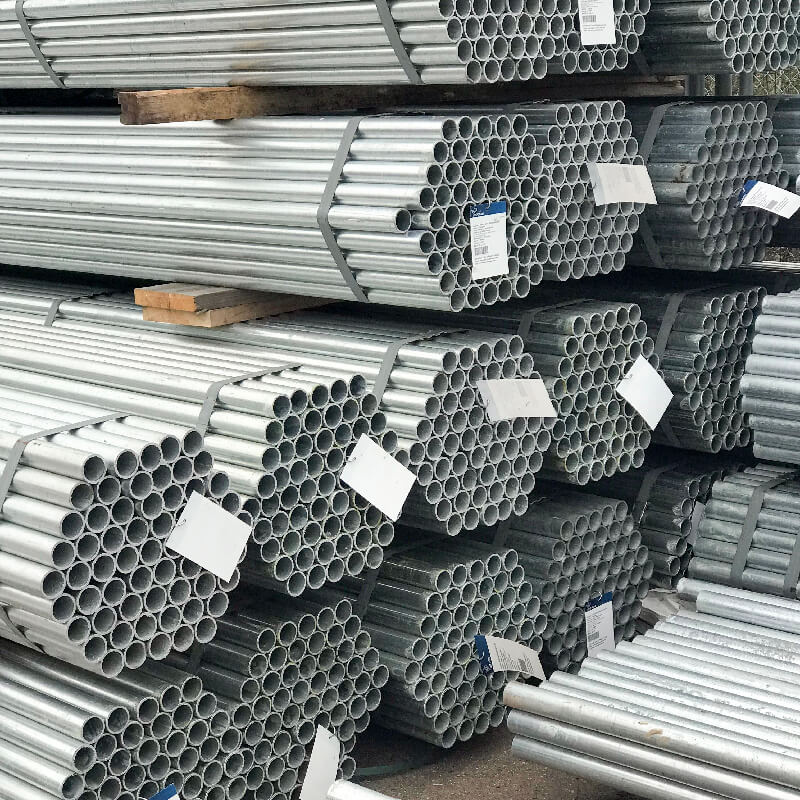
Product Display
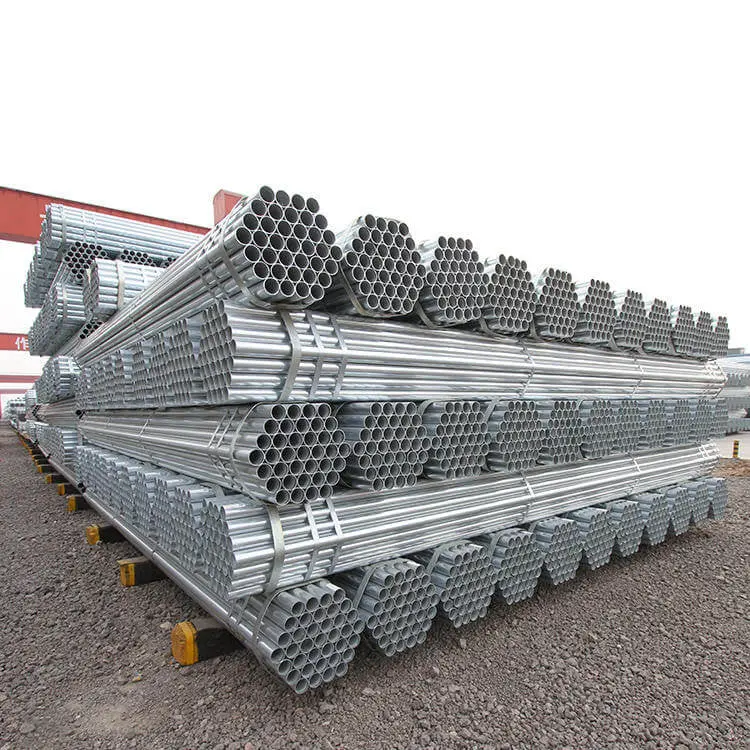
Classification of electrogalvanized pipes
.Classification by standard:
American Standard (ASTM): such as ASTM A53, ASTM A500, etc.
British Standard (BS): such as BS 1387, etc.
German Standard (DIN): such as DIN 2440, etc.
Japanese Standard (JIS): such as JIS G3444, etc.
Russian Standard (GOST): such as GOST 3262, etc.
.Classification by purpose:
Structural pipes: used in structural applications such as buildings, bridges, etc.
Fluid delivery pipe: used for the delivery of fluids such as water and gas.
Cable protection tube: used to protect cables in the power industry.
.Classification by manufacturing process:
Welded Pipe: Pipe manufactured by welding process, suitable for most applications.
Seamless Pipe: Pipe manufactured by extrusion or rolling process, usually used for high pressure and high strength applications.
.Classification by outer diameter and wall thickness:
According to the difference in outer diameter and wall thickness, electro-galvanized pipes can be divided into different specifications and grades to meet different engineering needs.
.Classification by zinc layer thickness:
According to the thickness of the zinc layer, it can be divided into light galvanized pipe and heavy galvanized pipe, suitable for different corrosion environments.
Advantages
.Excellent corrosion resistance:
Electrogalvanized pipes are coated with a layer of zinc, which effectively prevents oxidation and corrosion, extending the service life of the pipes, especially in humid or corrosive environments.
.Strength and toughness:
Electro-galvanized pipes are usually made of carbon steel, which has good mechanical strength and toughness and can withstand greater pressure and impact.
.Economical:
Compared with other materials such as stainless steel, electro-galvanized pipes have lower costs, are suitable for large-scale applications, and have good cost-effectiveness.
.Easy to process and install:
Electro-galvanized pipes can be easily cut, welded and connected, suitable for various construction and installation needs.
.Aesthetics:
Electro-galvanized pipes have a smooth surface and a clean appearance, making them suitable for visible architectural and decorative applications.
.Environmental protection:
Zinc is a recyclable material. Electrogalvanized pipes can be recycled after their service life, which meets the requirements of sustainable development.
.Diverse Applications:
Electro-galvanized pipes can be widely used in construction, agriculture, transportation, industry and other fields with strong adaptability.
Production process
.Raw material preparation:
Select appropriate carbon steel coils or steel pipes as raw materials, ensuring they meet relevant standards and specifications.
.Tube forming:
The steel coil is processed into the required pipe shape through cold or hot rolling process. For welded pipes, steel strip or steel plate is usually formed into a pipe shape by rolling and welding.
.Welding:
For welded pipes, the edges of the pipes are welded together using processes such as high frequency welding or arc welding to form a complete pipe.
.Pipe cutting:
Cut the welded pipes to the required lengths, usually custom made to customer specifications.
.Surface treatment:
Clean the pipes to remove oil, rust and impurities on the surface to ensure the adhesion of the galvanized layer.
.Electrogalvanizing:
Immerse the cleaned pipe in a molten zinc bath for electro-galvanizing. The thickness and quality of the zinc layer can be controlled according to standard requirements.
.Cooling and curing:
After the pipe is removed from the zinc bath, it is cooled to allow the zinc layer to solidify and form a strong protective layer.
.Inspection and testing:
Conduct quality inspection on electro-galvanized pipes, including zinc layer thickness, appearance, dimensions and mechanical properties, to ensure they meet relevant standards.
.Packaging and Shipping:
Pack the qualified electro-galvanized pipes and prepare to ship them to customers.