

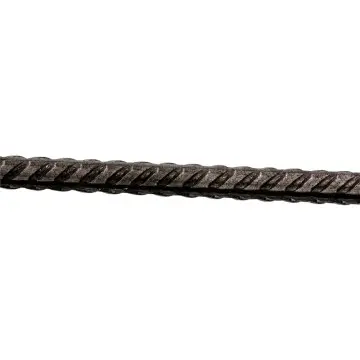
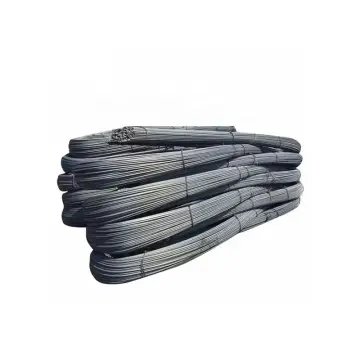
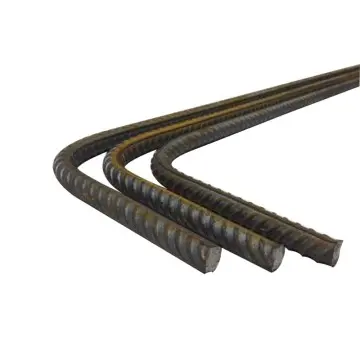
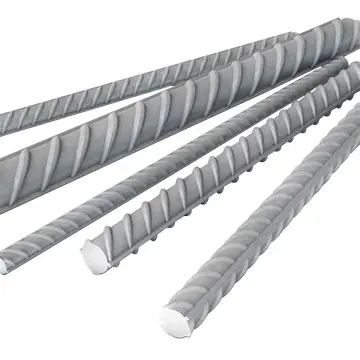
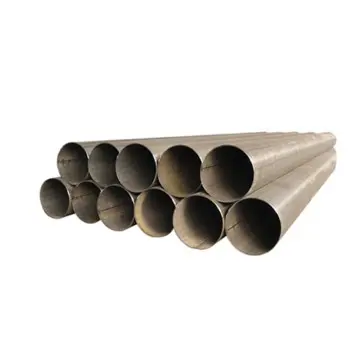
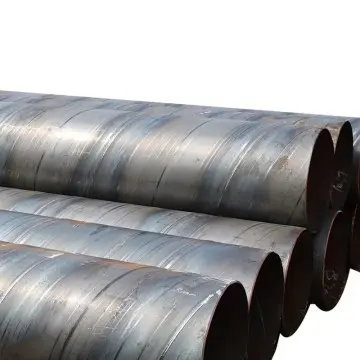
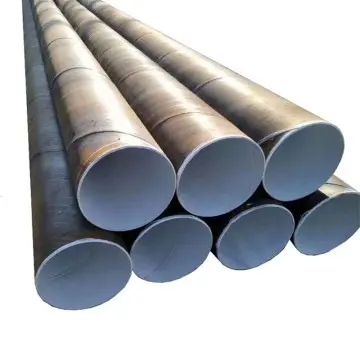


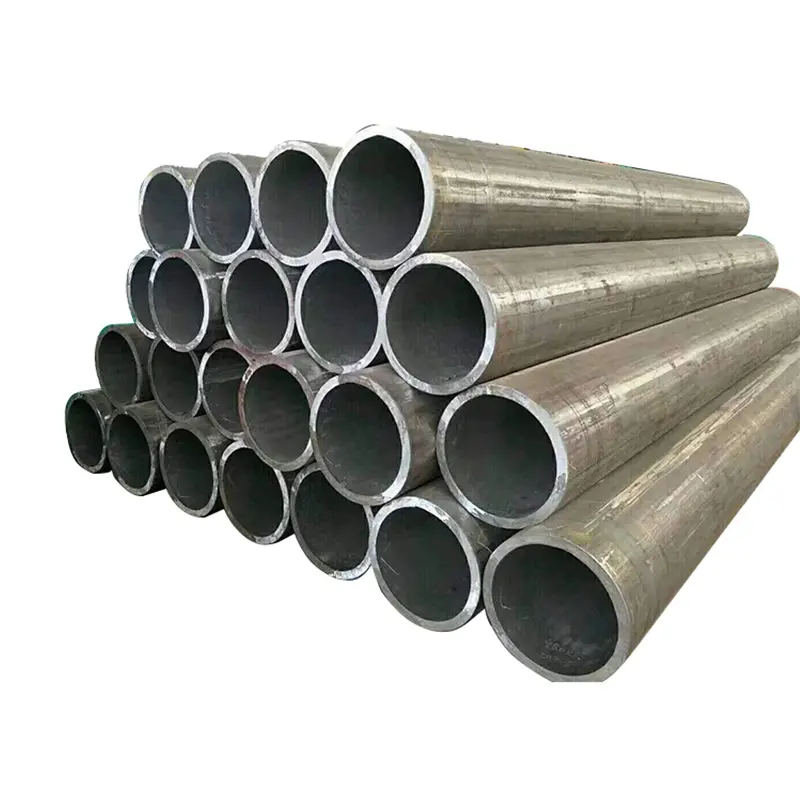
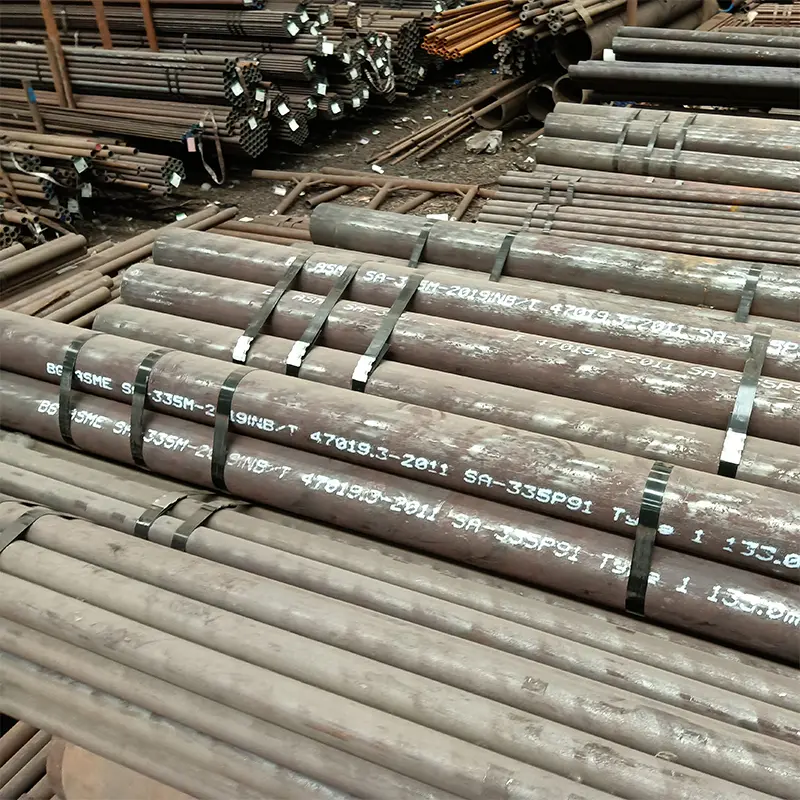
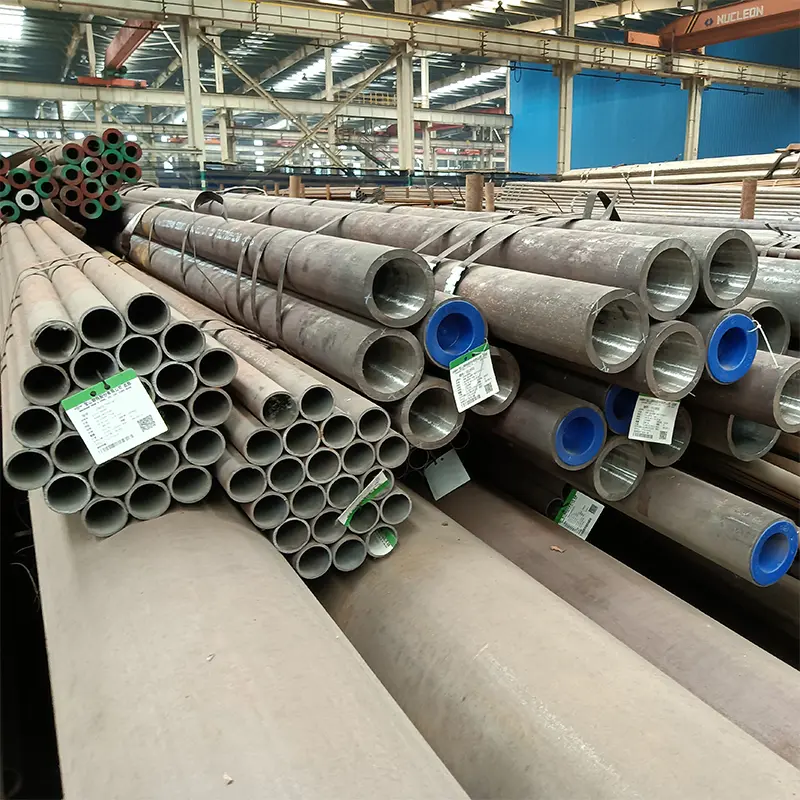
Carbon alloy pipe: top - grade combo
specification
|
Product Name |
Carbon steel alloy pipe |
|
Standard |
ASTM,JIS,DIN,GB,AISI,DIN,EN |
|
Material |
Q195、Q235、Q345、20#、45#、60#、65#、16Mn、30CrMo、35CrMo、ASTM A106、ASTM A53 |
|
Outer diameter range |
ASTM A106: The outer diameter range is usually from 1/8 inch (about 3.2mm) to 48 inches (about 1219mm). ASTM A53: The outer diameter range is usually from 1/2 inch (about 12.7mm) to 24 inches (about 610mm). GB Standard: GB/T 8162: The outer diameter ranges from 10mm to 1000mm, and the specific size can be customized according to requirements. GB/T 8163: The outer diameter ranges usually from 15mm to 1000mm. EN Standard: EN 10216: The outer diameter ranges from 10mm to 1000mm, and the specific size can be customized according to requirements. |
|
Thickness range |
ASTM Standard: ASTM A106: Wall thickness typically ranges from 0.5mm to 50mm, depending on the outer diameter of the pipe. ASTM A53: Wall thickness generally ranges from 0.5mm to 25mm. GB Standard: GB/T 8162: Wall thickness typically ranges from 2mm to 30mm, depending on the outer diameter. GB/T 8163: Wall thickness usually ranges from 3mm to 20mm. EN Standard: EN 10216: Wall thickness typically ranges from 2mm to 30mm, depending on the outer diameter. |
|
Length range |
Customized length according to customer's special requirements. |
|
Error |
±1% |
|
Certification |
ISO 9001 ,CE,API |
|
Surface treatment |
Hot-dip galvanizing、Cold galvanizing、Spraying、Phosphate treatment、Polishing、Oxidation treatment、Coating |
|
Country of origin |
China |
|
Main Applications |
1.Oil and gas industry Purpose: Pipeline systems used for transporting oil, natural gas and related products. Features: Pipes that require high pressure resistance and corrosion resistance are usually made of seamless or welded carbon steel alloy pipes. |
|
2.Chemical Industry Application: Used in chemical transportation, storage and reaction equipment. Features: Pipes that need to be resistant to corrosion and high temperatures often use alloy elements to enhance their performance. |
|
|
3.Architecture and Structural Engineering Application: Used for support and framework of building structures, bridges, towers, etc. Features: High strength and good welding performance are required, and low alloy high strength steel pipes are commonly used. |
|
|
4.Machinery manufacturing Use: Used in manufacturing machinery parts, equipment and tools. Features: Requires good processing performance and strength, commonly used medium carbon steel and alloy steel pipes. |
|
|
5.Power Industry Application: Used in cooling systems of power equipment, power transmission lines, etc. Features: Pipes that require high temperature resistance and corrosion resistance, commonly used alloy pipes. |
|
|
6.Automotive industry Application: Used in automobile chassis, exhaust system and other parts. Features: Lightweight and high strength are required, and high-strength carbon steel alloy pipes are commonly used. |
|
|
7.Water treatment and water supply system Application: Used in urban water supply, sewage treatment and other pipeline systems. Features: Pipes that require corrosion resistance and pressure resistance, commonly used coated or galvanized pipes. |
|
|
Package |
Simple packaging, reinforced packaging, wooden frame, metal frame, pallet, wrapping |
|
Payment Term |
TT, LC,Cash, Paypal, DP, DA,Western Union or Others. |
|
After-sales service |
1. Quality assurance period 2. Return and exchange policy 3. Delivery and acceptance assistance 4. Customer feedback collection |
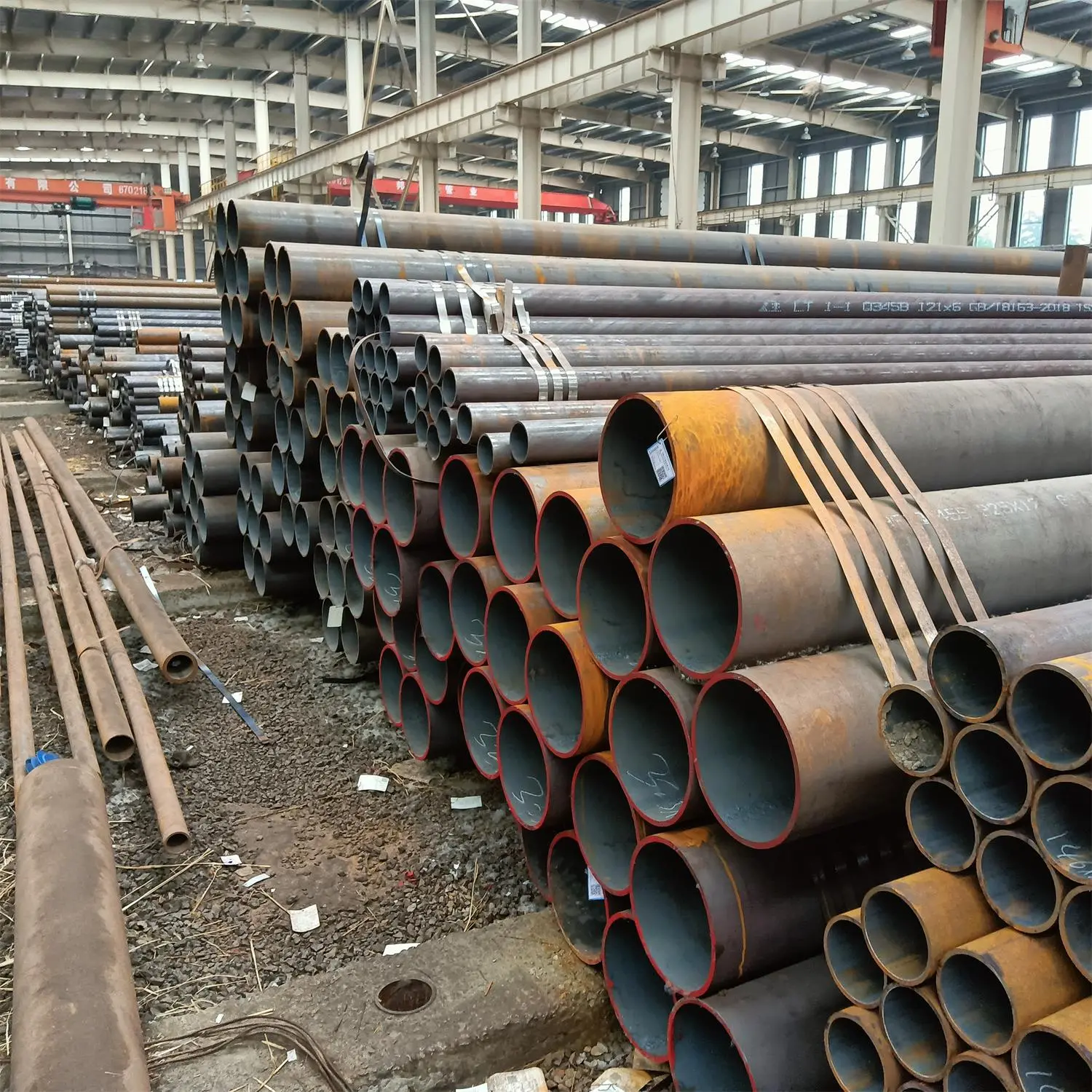
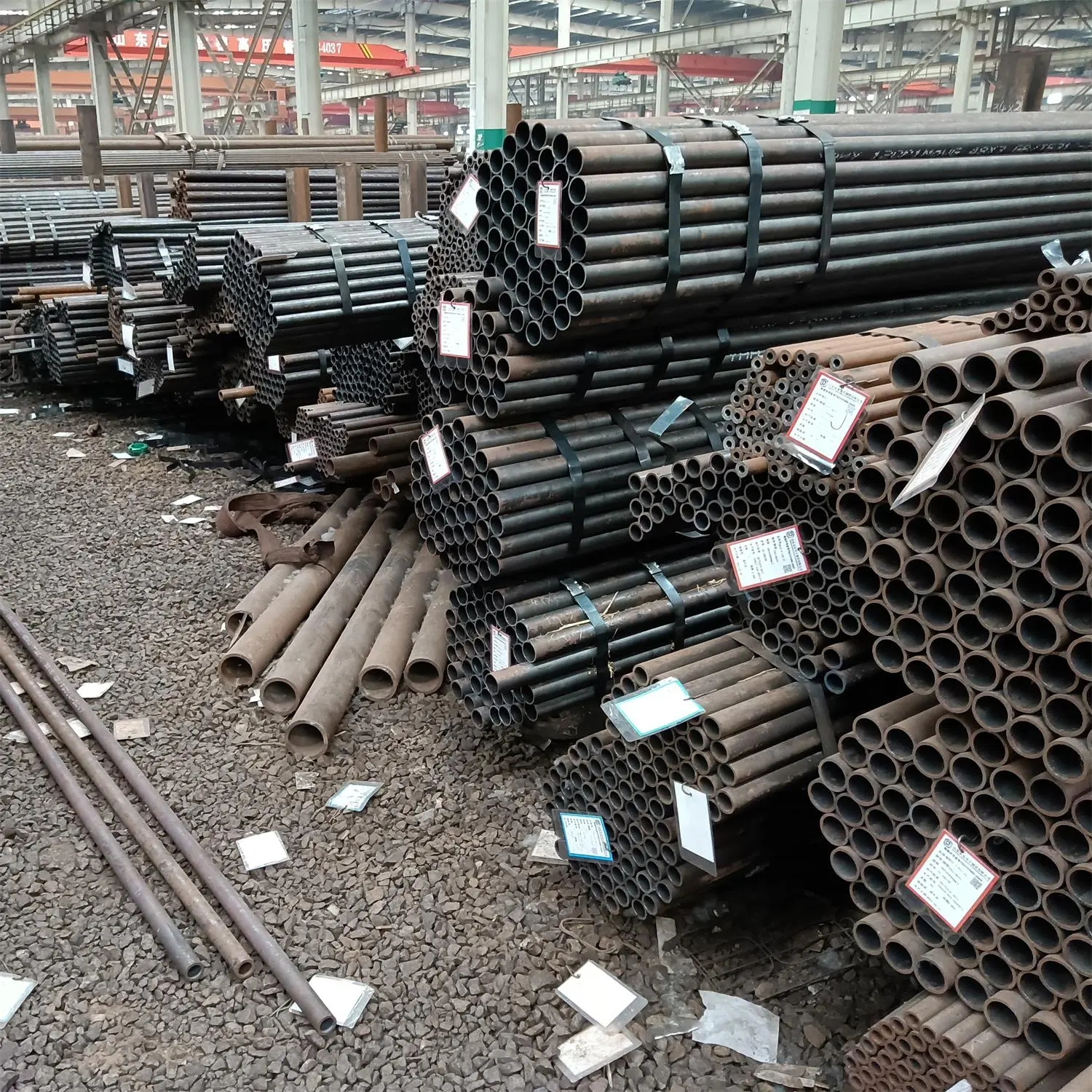
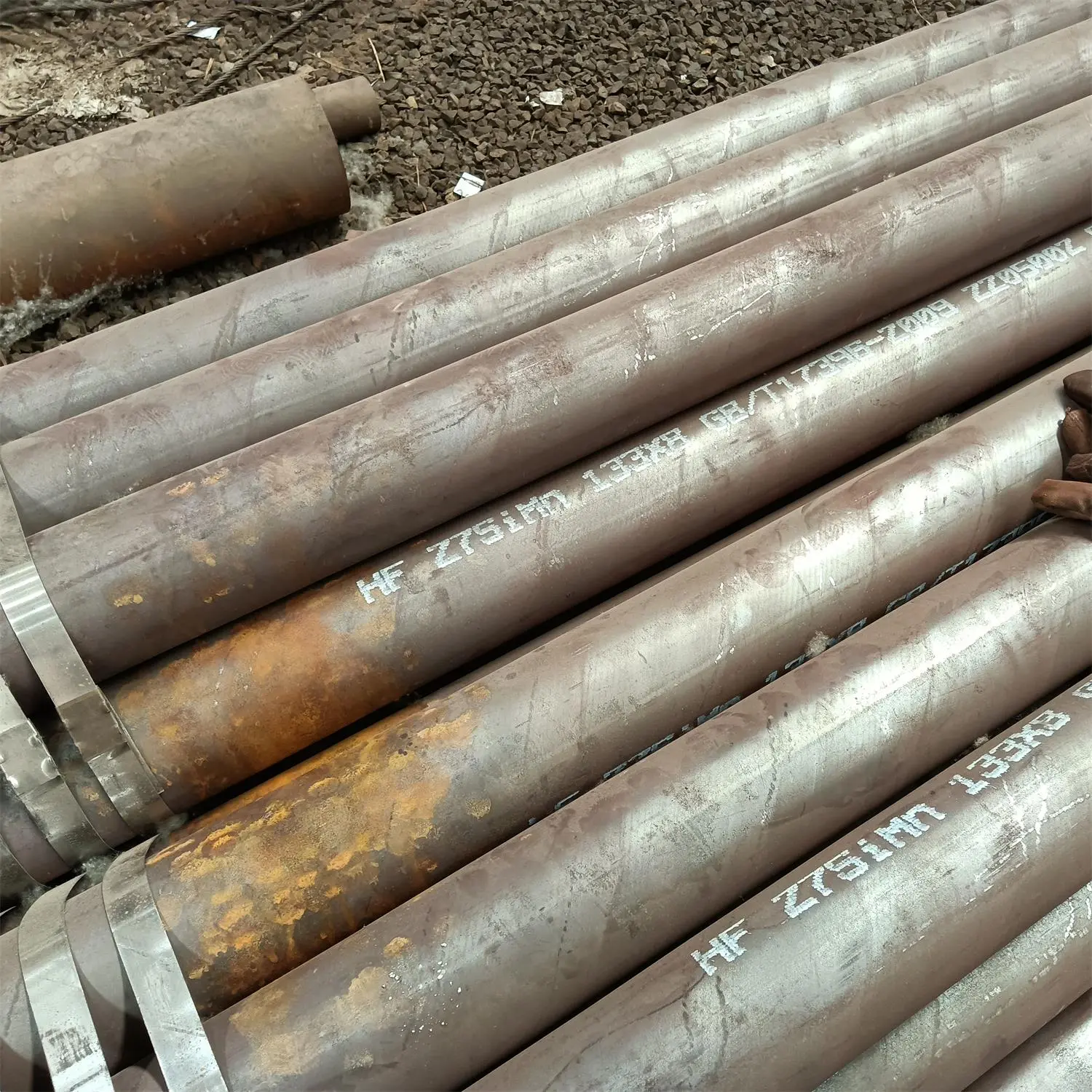
Product Display
Production process
1. Raw material preparation
Select alloy composition: Select the appropriate carbon steel alloy material according to product requirements, usually in the form of billet or ingot.
Chemical composition analysis: Conduct chemical composition analysis on raw materials to ensure they meet standard requirements.
2. Heating
Heating furnace: The steel billet is placed in a heating furnace and heated to a certain temperature (usually between 1100°C and 1300°C) for the subsequent forming process.
3. Molding
Hot rolled or cold rolled:
Hot rolling: The heated billet is rolled through a series of rolling mills to gradually form the required outer diameter and wall thickness.
Cold rolling: The formed tube is further rolled at room temperature to improve its precision and surface finish.
4. Pipeline Forming
Seamless pipe production: The heated steel billet is perforated into a tube billet by a perforation process, and then the diameter is expanded and sized.
Welded pipe production: Steel plates or strips are rolled into a tube shape and the edges are connected by welding processes (such as arc welding, laser welding, etc.) to form a pipe.
5. Heat Treatment
Normalizing or annealing: Heat treatment of the formed pipe to improve its mechanical properties and organizational structure and eliminate internal stress.
6. Surface treatment
Cleaning: Remove oxide scale, oil stains and other impurities on the pipe surface.
Coating or galvanizing: Surface treatment such as hot-dip galvanizing, spraying, phosphating, etc. as needed to improve corrosion resistance.
7. Testing
Dimensional inspection: Measure the outer diameter, wall thickness, length, etc. of the pipe to ensure compliance with standards.
Non-destructive testing: Use ultrasonic, X-ray and other non-destructive testing methods to check for internal defects in pipelines.
Chemical composition analysis: reconfirm that the chemical composition of the finished product meets the requirements.
8. Packaging and Shipping
Packaging: Qualified carbon steel alloy pipes are packaged to prevent damage during transportation.
Shipping: Arrange shipment according to customer requirements.