Gangtuo
Integrity, Innovation, And Win-Win
Contact us

Top 10 High Carbon Steel Suppliers for Global Buyers

High Carbon Steel remains essential for applications requiring hardness, wear resistance, and reliable edge retention. It appears in cutting tools, springs, agricultural blades, wire products, and heavy-duty machine components. The World Steel Association’s World Steel in Figures 2024 reports global crude steel production at approximately 1.9 billion tonnes in 2023. This scale shows the depth of the supply market, but it does not make supplier selection easy.

Quality varies significantly between mills, even when products share the same grade designation. Carbon percentage, manganese balance, rolling practice, annealing, and heat-treatment control can change performance. Small differences matter. A blade may chip. A spring may lose resilience. This guide examines ten High Carbon Steel suppliers for global buyers, using practical purchasing factors rather than promotional claims. These factors include chemical consistency, dimensional accuracy, mill test certificates, production capacity, traceability, and export experience. ASTM A29/A29M and relevant ISO standards provide useful reference points, but buyers should still verify application-specific requirements.

The OECD Steel Committee continues to highlight global capacity pressures and changing trade conditions across the steel industry. Therefore, price alone is an incomplete decision metric. Reliable suppliers should provide clear heat numbers, inspection records, packaging details, and realistic lead times. Importantly, published data can become outdated. Rankings are never flawless. Buyers should request recent samples, third-party testing, and current documentation before signing contracts. That extra step can prevent costly surprises in production.
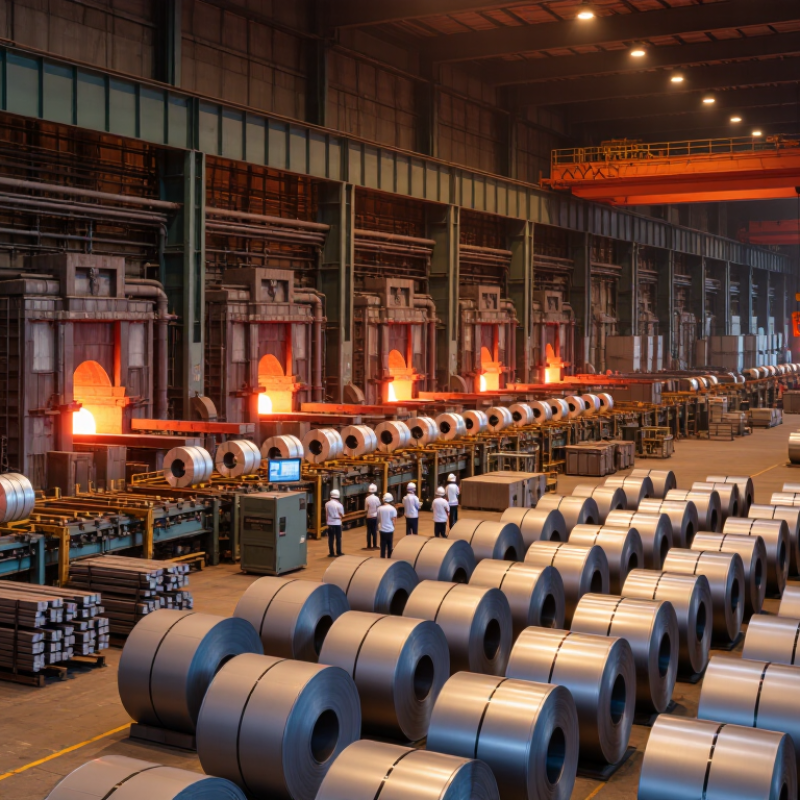
Top 10 High Carbon Steel Suppliers for Global Buyers

High Carbon Steel: Composition, Grades, and Key Properties

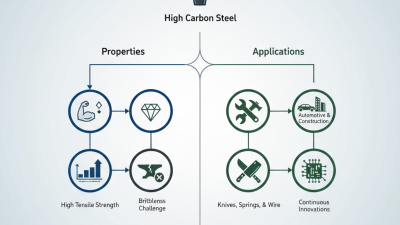
High carbon steel typically contains about 0.60–1.00% carbon, with manganese, silicon, and small residual elements. Carbon raises hardness and strength after heat treatment. It also reduces ductility and weldability. The balance is not always comfortable.

Common grades include 1045, 1060, 1075, and 1095. Their carbon levels influence cutting response, spring action, and wear resistance. Grade 1045 offers useful toughness for shafts and machinery parts.

Grade 1095 can achieve higher hardness, but it may crack more easily under sudden impact. Actual performance depends on quenching, tempering, section size, and cooling control.

Two batches with the same grade can behave differently. This is often overlooked.

Tips: Ask suppliers for chemical analysis, heat-treatment records, tensile results, and hardness readings. Confirm the applicable standard before comparing quotations. Inspect surface condition, straightness, and thickness tolerance on arrival. For welded structures, consider a lower-carbon alternative or qualified preheating. A mill certificate supports confidence, but independent testing remains wise for critical components. Supplier experience matters, yet documentation matters more.
How to Evaluate High Carbon Steel Suppliers

Evaluating high carbon steel suppliers requires more than comparing quoted prices. Start by checking their production experience with grades such as 0.60–1.00% carbon steel. Ask for mill certificates showing carbon, manganese, sulfur, and phosphorus levels. Chemistry matters because small variations can affect hardness, machinability, and cracking risk.

Request recent test reports from independent or in-house laboratories. Hardness readings should match the stated heat-treatment condition. Confirm whether samples came from the same production route as your intended order. Traceability should connect each bundle to a heat number, inspection record, and shipping document. Without this chain, a polished certificate proves little.

Suppliers should also explain rolling tolerances, surface defects, cutting accuracy, and packaging methods. A rust mark inside a humid container can become an expensive problem.

Visit the facility when order value justifies the cost, or arrange a live virtual inspection. Look for calibrated equipment, trained inspectors, and clear nonconformance procedures. Delivery history deserves careful review, not just optimistic promises. Ask for references from buyers with similar dimensions and volumes. Communication is another practical test: reliable suppliers answer technical questions with data, not vague reassurance. I have found that the cheapest offer often excludes testing, protective wrapping, or realistic lead times. Still, supplier evaluations are not perfect. A strong audit can miss a delayed shipment or an inconsistent batch, so use trial orders, written specifications, and staged approvals before expanding cooperation.

Top High Carbon Steel Suppliers for Global Buyers

Top high carbon steel suppliers for global buyers should offer more than competitive prices. They should provide stable carbon content, clear heat treatment data, and dependable production records. Buyers often need grades for blades, springs, tools, or wear-resistant parts. Each use requires different hardness, toughness, and machining performance.

A reliable supplier should share mill test certificates, inspection reports, and heat numbers. These details help buyers trace each coil, bar, or plate back to production. Ask about sampling procedures, surface defects, dimensional tolerance, and export packaging. Strong suppliers also explain lead times honestly. A polished website is not proof of quality. In practice, small communication gaps can create costly delays. That point deserves more attention.

Tips: Request a small sample before placing a large order. Confirm the steel grade, size range, delivery terms, and document format in writing. Check whether packaging protects edges from moisture and impact. Compare responses, not only prices. The cheapest quotation may hide inconsistent hardness or weak after-sales support. A useful supplier answers technical questions without avoiding difficult details. Still, every buyer should verify independent inspection results when the application is critical.

Comparing Product Quality, Certifications, and Production Capacity

Top 10 High Carbon Steel Suppliers for Global Buyers

Choosing among ten high carbon steel suppliers requires more than comparing quoted prices. Product chemistry, certifications, and production capacity reveal practical reliability. The World Steel Association reported 1.89 billion tonnes of global crude steel production in 2023. This scale creates choice, but not uniform quality. High carbon grades need tight control of carbon content, sulfur, phosphorus, decarburization, and surface defects.

Ask each supplier for heat certificates, tensile results, hardness data, and full traceability. Hardness alone is insufficient. ISO 9001 certification supports process control, while ISO 14001 indicates structured environmental management. Automotive or engineered-component buyers may also request IATF 16949 systems. However, a certificate does not guarantee consistent steel. Audits should verify laboratory calibration, sampling frequency, and corrective-action records.

Production capacity needs careful interpretation. The OECD has repeatedly reported persistent global steelmaking overcapacity, so installed capacity can look impressive but remain unavailable. Request monthly output for the exact grade, furnace size, rolling route, and average export lead time. A supplier producing 20,000 tonnes monthly may still struggle with a small, customized order. Check backup mills, port access, and coil or bar storage. These details often matter more than headline capacity. Some supplier comparisons also overlook batch variation, which deserves a clear review before long-term contracts.

Ordering, Pricing, Logistics, and Import Considerations

Top 10 High Carbon Steel Suppliers for Global Buyers

Ordering high carbon steel requires more than comparing ten supplier quotations. The World Steel Association reported global crude steel production at about 1.89 billion tonnes in 2023. High carbon grades represent a smaller, specification-sensitive segment. Buyers should request carbon range, hardness, tensile strength, surface condition, and heat-treatment records. Ask for mill test certificates, not general brochures. Paperwork matters.

Pricing should separate steel value, cutting, testing, packing, inland transport, and freight. The OECD Steel Outlook 2024 highlights persistent global overcapacity and unstable trade conditions. These pressures can widen regional price differences. A low offer may exclude inspection or corrosion protection. Compare landed cost, not only the ton price. That sounds obvious, but buyers still miss it.

Logistics planning starts with coil or bar dimensions, bundle weight, lifting points, and moisture-resistant wrapping. The supplier should confirm loading photos and container limits before shipment. UN Comtrade trade data can help buyers compare country-level export values, but it cannot replace a firm quotation. Check the correct customs code, origin documents, duty rate, and import restrictions with a licensed broker. Incoterms must be written clearly. Delivery delays remain possible. Build buffer time.