What is Construction Steel Rebar and its Importance in Building Projects?
Construction Steel Rebar plays a crucial role in modern building projects. It provides the tensile strength that concrete lacks. According to the Global Construction Materials Market report, the demand for rebar is expected to grow by 5% annually over the next five years. This growth highlights its importance in ensuring the durability of structures.
Expert John Smith, a leading authority in construction materials, emphasizes, "Without Construction Steel Rebar, our buildings would simply crumble under pressure." His insight underscores the necessity of rebar in safe construction practices. However, there is a challenge in sourcing high-quality steel and ensuring proper installation.
Rebar is often overlooked during project planning. Its significance can be overshadowed by other materials. Yet, the safety of a structure heavily relies on it. Ensuring proper knowledge and application of Construction Steel Rebar is vital for engineers and contractors alike. Without adequate attention to this crucial element, builders may face serious consequences.
What is Construction Steel Rebar?
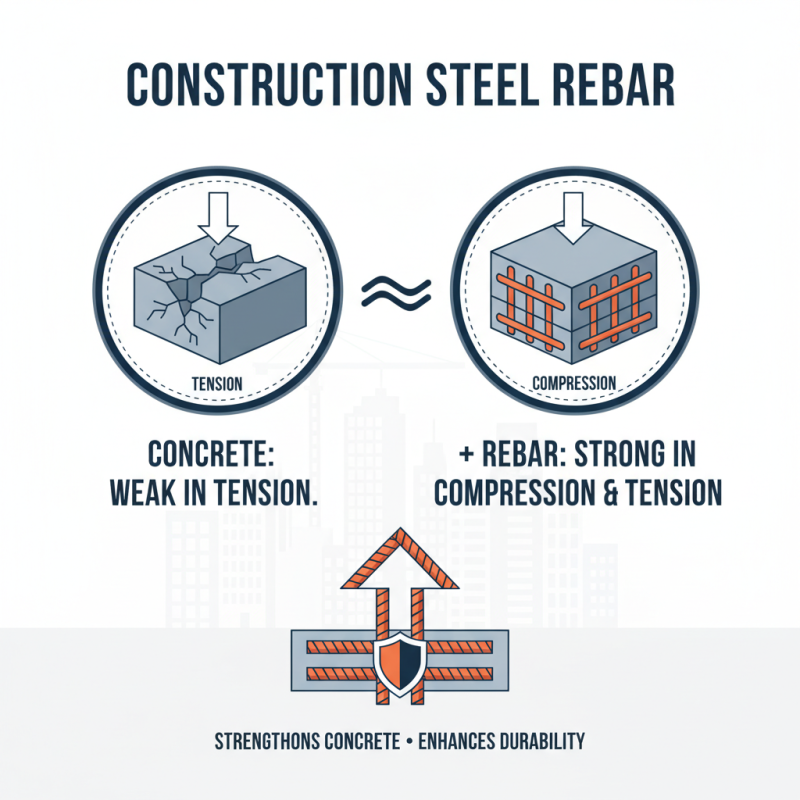
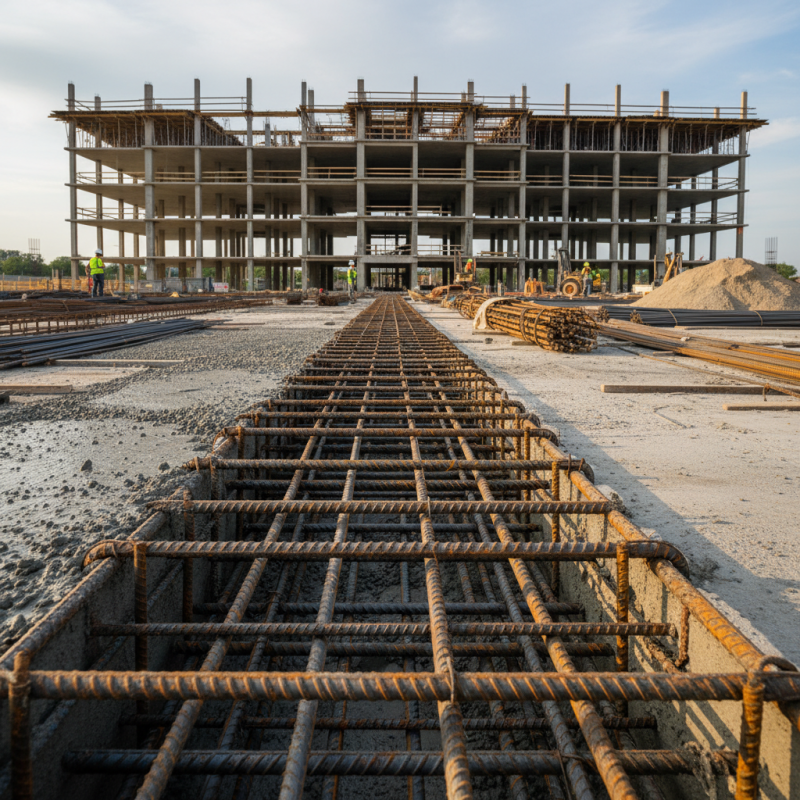
Construction steel rebar, short for reinforcing bar, is essential in building projects. This steel bar is designed to strengthen concrete structures. Concrete is great in compression but weak under tension. Rebar helps address this weakness effectively. When placed within the concrete, it provides support and enhances durability.
The size and spacing of rebar are critical for construction strength. Builders often measure and calculate these factors carefully. The placement should consider load-bearing requirements. A mistake in rebar placement can lead to structural issues down the line. It's not uncommon for some projects to overlook these details, leading to future complications.
Different types of rebar exist, with varying characteristics. Some are coated to resist corrosion, while others have specific mechanical properties. However, the choice of rebar must match project needs. Many professionals still grapple with selecting the right materials. Understanding rebar's role is vital. It can make or break a project’s integrity. The importance of correct installation cannot be overstated.
Types of Steel Rebar Used in Construction
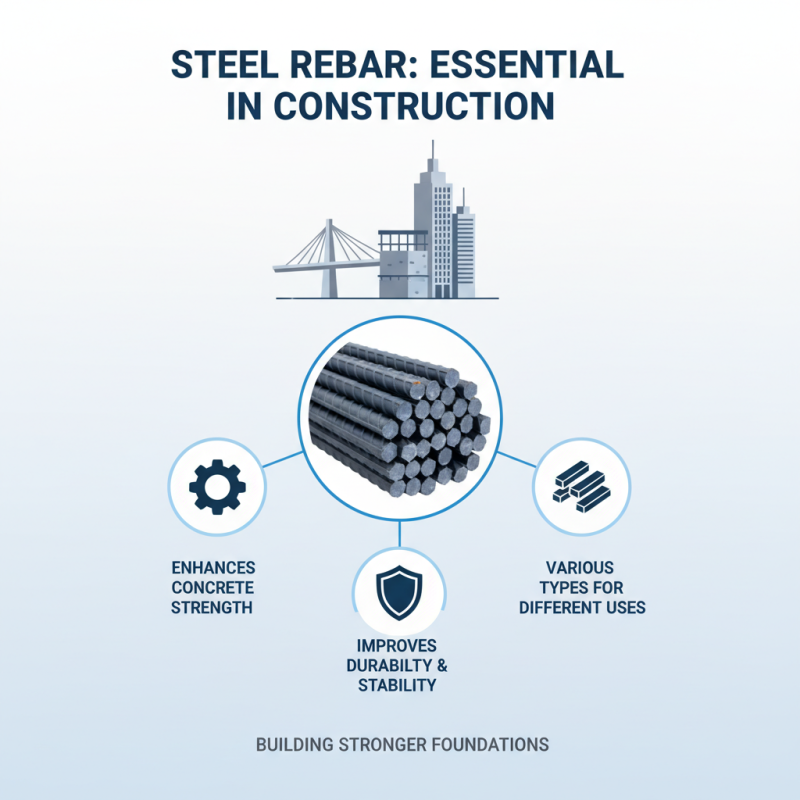
Steel rebar, short for reinforcing bar, is essential in construction. It enhances the strength of concrete structures. There are various types of rebar used in building projects. Each type serves different purposes, affecting the durability and stability of constructions.
One common type is epoxy-coated rebar. This rebar has a protective layer to prevent corrosion. It is often used in areas with high moisture or chemical exposure. Then, there’s galvanized rebar, which undergoes a coating process as well. It’s designed for long-lasting performance. However, some argue that the coating can be uneven, leading to potential weaknesses.
Another type is stainless steel rebar. It's more expensive but offers excellent corrosion resistance. Many projects require it for extreme conditions. Yet, the higher cost can limit its use. People sometimes overlook carbon steel rebar, the most basic choice. While it is widely used, it is prone to rust and deterioration. Not all choices are perfect; each has its trade-offs. Understanding these types helps make informed decisions in construction projects.
Key Properties and Benefits of Steel Rebar
Steel rebar, or reinforcing bar, is crucial in construction. It strengthens concrete and forms a bond that allows them to work together. This combination increases the durability of structures, making them safer and longer-lasting. Without steel rebar, buildings would lack the support they need to withstand heavy loads.
One key property of steel rebar is its tensile strength. It resists stretching and pulling forces. Concrete is strong in compression but weak in tension. When combined with steel rebar, it can support various stresses without cracking. This synergy is vital in high-rise buildings and bridges.
Tips: Always assess the type of rebar needed for your project. Different grades and sizes serve unique purposes and can impact costs. It's essential to select the correct one to avoid future issues.
Another benefit is its resistance to corrosion when coated properly. This property enhances lifespan, making buildings safer in harsh environments. Construction teams should often conduct inspections. Regular checks help detect potential issues early. Remember, even a small flaw can lead to significant problems later. Selecting quality materials from the start can minimize risks.
What is Construction Steel Rebar and its Importance in Building Projects? - Key Properties and Benefits of Steel Rebar
| Property |
Description |
Benefits |
| Tensile Strength |
The ability to withstand pulling forces without breaking. |
Enhances structural capacity and safety under loads. |
| Ductility |
The capability to deform without losing function or breaking. |
Allows structures to flex during earthquakes and high winds. |
| Corrosion Resistance |
Resistant to rust and deterioration over time. |
Increases lifespan of structures, reducing maintenance costs. |
| Weight |
Heavy material that contributes to overall load awareness in construction. |
Promotes stability and strength in structures. |
The Role of Steel Rebar in Structural Integrity
Steel rebar, short for reinforcing bar, is crucial in construction. It enhances the tensile strength of concrete structures. Concrete is strong under compression but weak under tension. Adding steel rebar bridges this gap. The two materials work together, creating a solid foundation for buildings and bridges.
Rebar's role extends beyond basic support. It also improves structural integrity. Placing rebar correctly ensures that structures can withstand various forces. This includes wind, earthquakes, and heavy loads. However, mistakes in placement can lead to serious issues. Overlooking details can compromise a building’s safety.
Builders often face dilemmas while choosing the right rebar. The size and spacing can significantly affect a project's outcome. Even small miscalculations can result in cracks or structural failure. Ensuring the right quality of steel is just as important. Providing adequate protective coatings can prevent rusting. Yet, it's easy to overlook these details, leading to potential setbacks. Careful planning and attention to detail are vital for successful construction.
Best Practices for Using Steel Rebar in Building Projects
Steel rebar plays a crucial role in the structural integrity of buildings. Using proper techniques can enhance its effectiveness. According to a report by the American Concrete Institute, over 90% of reinforced concrete structures utilize steel rebar. This highlights its importance. However, improper handling and installation can lead to failures.
Best practices include selecting the right type and size of rebar for the project. It is vital to consider the load requirements and environmental factors. For instance, in areas with high seismic activity, using epoxy-coated rebar can offer added protection against corrosion. Moreover, ensuring rebar is adequately spaced according to design specifications is essential. The Concrete Reinforcing Steel Institute advises a minimum concrete cover of 2 inches for optimal performance, especially in aggressive environments.
Additionally, careful inspection is needed during installation. Misalignment or inadequate laps can weaken the overall structure. A study found that up to 30% of rebar installations contained errors, affecting durability. Continuous training for laborers on proper techniques should be prioritized. Small mistakes can lead to significant long-term issues, making vigilance necessary throughout the construction process.
Construction Steel Rebar in Building Projects
This chart showcases the average tensile strength of different types of steel rebar used in construction projects and their importance in ensuring structural integrity.