What is Cold Rolled Steel and Why is it Essential for Buyers?
Cold Rolled Steel plays a crucial role in various industries today. Its precision and strength make it a preferred choice for manufacturers. According to the Steel Institute, cold rolled steel production increased by 15% in the last year alone, reflecting its growing importance in the market.
Industry expert Dr. Emily Carter, a leading figure in materials engineering, states, "Cold Rolled Steel is essential for applications demanding high strength and tight tolerances." This highlights the necessity for buyers to understand its features and benefits. With applications ranging from automotive to appliances, picking the right steel grade is imperative.
Despite its advantages, cold rolled steel comes with challenges. Buyers need to navigate complex specifications and ensure proper treatments. In an evolving market, staying informed is vital for making effective purchasing decisions. Awareness of these factors can lead to better outcomes and lower costs.
What is Cold Rolled Steel?
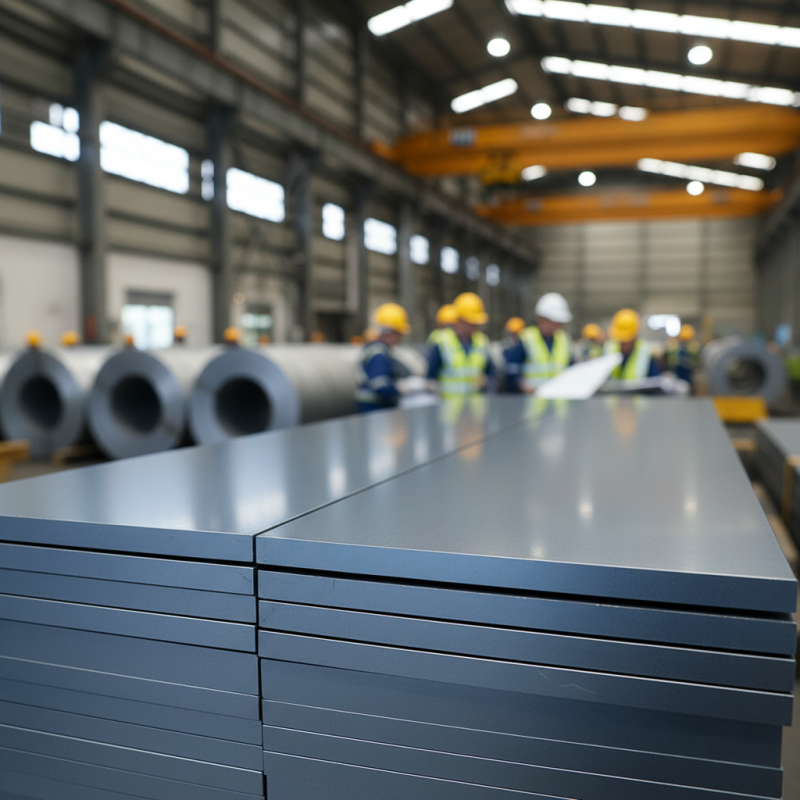
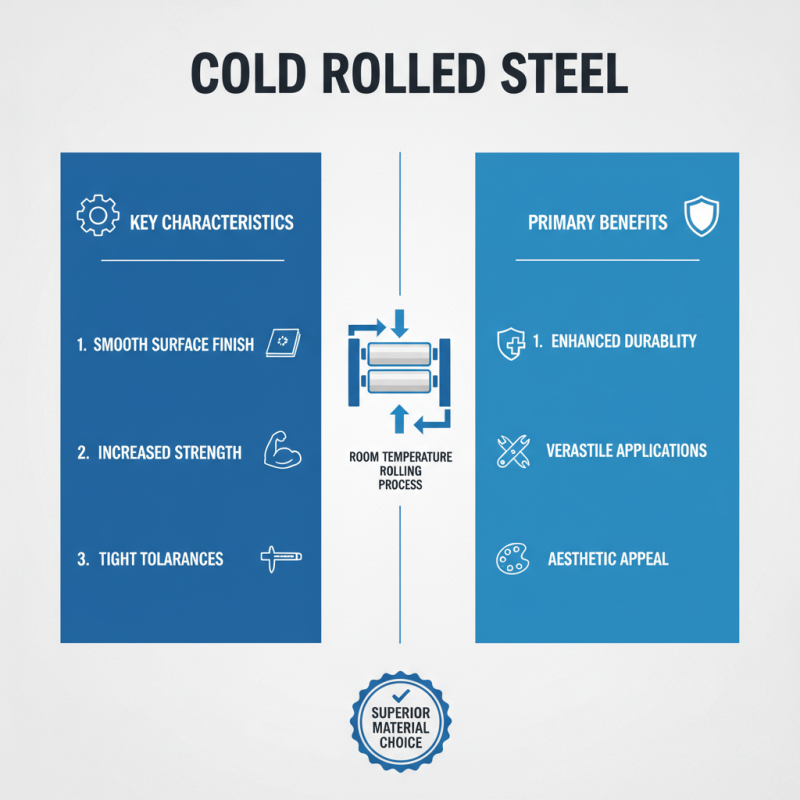
Cold rolled steel is a type of steel that undergoes a specific manufacturing process. Initially, hot-rolled steel is cooled at room temperature. After this step, the steel is processed further to improve its surface finish and dimensions. This method provides greater precision and a smoother surface than hot-rolled steel. It is crucial for numerous applications, particularly in construction and manufacturing.
In the steel industry, cold rolled steel is known for its excellent mechanical properties. It exhibits high strength and durability, making it ideal for products like automotive parts and appliances. The cold rolling process also enhances its aesthetic appeal, which is essential for visible components. However, it's vital to understand that while cold rolled steel offers many advantages, it can be more expensive than hot-rolled variants. Buyers should evaluate their specific needs and budget before making a decision.
Despite its benefits, some challenges exist. The process can introduce residual stresses, which may lead to warping during further fabrication. Buyers must consider this aspect when choosing cold rolled steel for their projects. Overall, its unique properties make it a staple in many industries, but careful consideration is needed to avoid potential drawbacks.
The Manufacturing Process of Cold Rolled Steel
Cold rolled steel is produced through a precise manufacturing process that significantly enhances its properties. The initial stage involves heating steel slabs. These slabs are then passed through rollers at room temperature. This process reduces the thickness of the steel while improving its strength and surface finish. A study by the World Steel Association indicates that cold rolled steel can have a tensile strength of over 450 MPa, making it much stronger than hot rolled steel.
After rolling, the steel experiences annealing, a heat treatment that removes internal stresses. This step refines the microstructure of the steel, leading to improved ductility and formability. According to research from the American Iron and Steel Institute, over 60% of manufacturers choose cold rolled steel for its lower dimensional tolerances and excellent surface quality. It is essential for producing a wide range of applications, from automotive components to appliances.
Nonetheless, the cold rolling process is not without challenges. The precision required can lead to increased production costs. Smaller manufacturers might struggle with the initial investment of machinery and energy. Industry reports suggest that despite these hurdles, the demand for cold rolled steel continues to grow. This growth reflects a greater need for high-quality, reliable materials in various sectors.
Cold Rolled Steel Production and Its Applications
Common Applications of Cold Rolled Steel in Various Industries
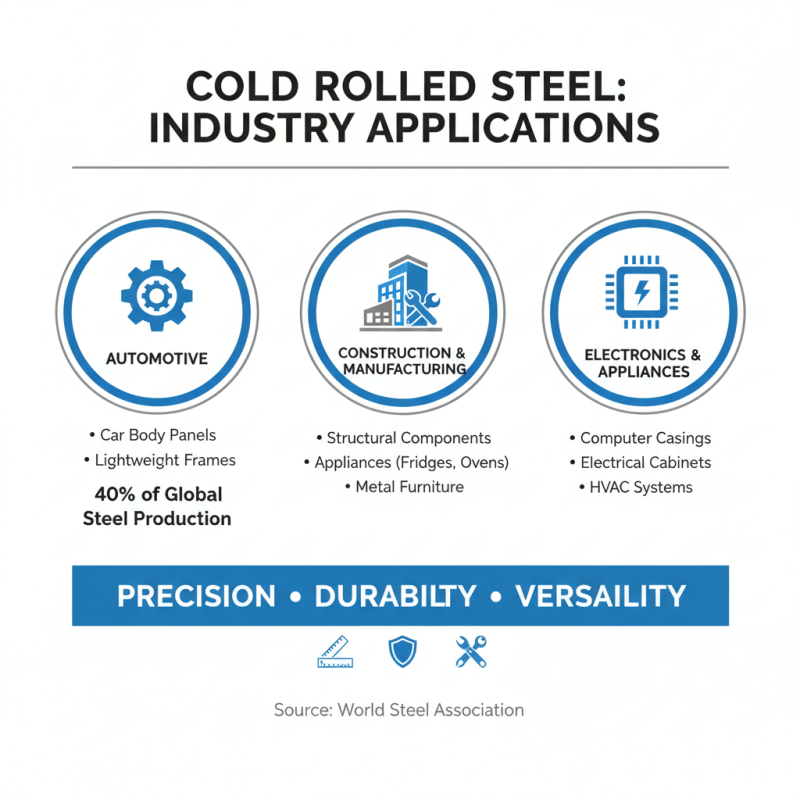
Cold rolled steel plays a vital role in numerous industries. Its precision makes it a preferred choice for many applications. The automotive sector often uses this type of steel for car body panels. According to a report from the World Steel Association, about 40% of the steel produced globally is used in automotive manufacturing. This underscores the significance of cold rolled steel in building efficient, lightweight vehicles.
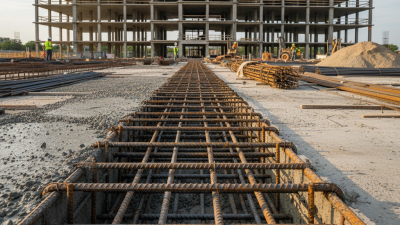
In the construction industry, cold rolled steel is used for structural components, such as beams and studs. The American Institute of Steel Construction indicates that cold formed steel is becoming more popular due to its strength and versatility. In addition, appliances like refrigerators and washing machines benefit from this material. The smooth finish and ease of welding make it ideal for consumer products.
However, the reliance on cold rolled steel raises questions. Can the industry sustain its quality amid rising demand? While experts advocate for careful monitoring of production processes, manufacturers must also innovate. Balancing cost and quality will be essential moving forward. The industry's growth depends not just on the material, but how it is utilized. Hence, there is a pressing need for ongoing research and development.
Factors Buyers Should Consider When Purchasing Cold Rolled Steel
When considering the purchase of cold rolled steel, buyers should evaluate several critical factors to ensure they make an informed decision. Cold rolled steel is known for its superior surface finish and tight tolerances. It is often used in automotive, appliance, and construction industries. According to a recent report by Smithers Pira, the global demand for cold rolled steel is projected to grow by 5% annually. This underscores its importance in various applications.
First, understanding the specifications is vital. Cold rolled steel comes in different grades and thicknesses. Selecting the right grade impacts durability and performance. A buyer must consider the specific needs of their project. Misjudgments in this area can lead to significant financial losses or project delays.
Here are some useful tips:
- Always consult with experts when unsure about material requirements.
- Gathering quality certificates ensures reliability.
- It’s helpful to compare suppliers to find the best value without compromising on quality.
- An informed choice can prevent future issues and enhance project efficiency.
- Always review feedback from previous buyers to gauge supplier reliability, but be cautious of reviews that may seem overly positive. Trust but verify.