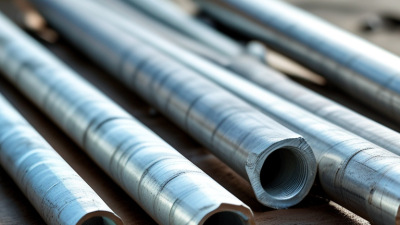
Top Carbon Steel Pipe Buying Guide for Global Importers?
In today's global market, understanding the nuances of sourcing materials is crucial. Carbon Steel Pipe stands out for its durability and versatility. Importers must navigate various factors to make informed decisions. Quality, specifications, and supplier reliability are key aspects to consider.
Many importers face challenges when selecting the right Carbon Steel Pipe. Not all suppliers meet industry standards. Researching the material’s properties and applications can prevent costly mistakes. Ignoring these details often leads to subpar products.
Furthermore, supply chain logistics play a vital role. Delays and quality issues can arise unexpectedly. Therefore, clear communication with suppliers is essential. It creates a foundation of trust and accountability. Importers should ask detailed questions and verify certifications. This ensures the materials meet their project demands reliably.
Understanding Carbon Steel Pipe Specifications and Grades
Understanding carbon steel pipe specifications and grades is essential for global importers. Carbon steel pipes come in different grades, each designed for specific applications. Common grades include ASTM A106 and A53, which are often used in industrial settings. Their differences, such as yield strength and tensile strength, can significantly impact a project’s success.
Thickness, diameter, and finish are key specifications when choosing the right pipe. Wall thickness influences durability and pressure tolerance. A thicker wall is sturdier but may be heavier, complicating transport. Pay attention to the diameter for proper compatibility with existing systems. The finish matters too, as it affects corrosion resistance.
Mistakes can happen when evaluating these specifications. Some buyers overlook necessary coatings that prevent rust. Others may misjudge the pressure ratings needed for their projects. It is vital to double-check these details. Seek expertise when unsure, as accurate knowledge can save time and costs. A well-informed choice leads to better outcomes.
Key Factors Influencing the Purchase of Carbon Steel Pipes
When purchasing carbon steel pipes, several key factors come into play. The first is the pipe's intended use. Different applications require varying mechanical properties. For instance, pipes for oil and gas projects need high durability, while construction pipes may have different specifications.
Material quality is crucial. Look for pipes with clear certification regarding their production and testing. This ensures they meet industry standards. Pay attention to wall thickness and diameter. These specifications directly impact the pipe's strength and flow capacity.
Consider the manufacturing process. Welded versus seamless pipes have distinct advantages and disadvantages. Welded pipes are generally less expensive, while seamless pipes offer better performance under high pressure.
Sometimes, pricing can be misleading. A lower price might indicate compromised quality. Always balance cost with quality assurance. Seek reliable suppliers who can verify their materials' integrity.
Evaluate logistics and delivery times too. Delays can affect project timelines. Choose a supplier who commits to timely deliveries to avoid costly interruptions. Also, think about long-term sourcing options. Building relationships with suppliers often leads to better deals and support.
Be mindful of potential environmental regulations affecting your purchase. Understanding these implications can save future legal issues. Always ask about the sustainability practices of potential suppliers. This not only reflects ethical procurement but also aligns with global trends towards greener options.
Carbon Steel Pipes Purchase Trends
Global Suppliers: How to Identify Reliable Carbon Steel Pipe Manufacturers
When sourcing carbon steel pipes, identifying reliable manufacturers is crucial. A 2023 report from Market Research Future estimated the global carbon steel pipe market to reach USD 108 billion by 2027. This growth highlights the increasing demand for high-quality pipes in various industries, including oil and gas, construction, and automotive. However, not all suppliers meet these rising standards.
Examine a manufacturer's track record carefully. A reliable supplier often has certifications like ISO 9001, indicating adherence to quality management systems. Transparency in their operation is equally important. Engage with former clients to gain insights into their experience. A manufacturer who openly shares information demonstrates confidence in their product quality.
Look into their production processes. Efficient methods often result in better product consistency. Data from the World Steel Association reveals that energy-efficient practices can cut costs by up to 30%. However, some suppliers might prioritize lower costs over quality, which could lead to unreliable products. Conduct thorough research, as not all manufacturers can meet stringent international standards, leading to potential challenges for importers.
Cost Analysis: Budgeting for Carbon Steel Pipe Imports
When importing carbon steel pipes, understanding cost dynamics is crucial. Recent reports from industry analysts indicate that global carbon steel pipe prices have surged by about 15% over the past year. This increase can be attributed to raw material shortages and rising freight costs. Importers must closely monitor market trends, as fluctuations can affect the overall budget.
Budgeting for imports involves more than just purchasing price. Importers should also consider additional costs such as tariffs, shipping, and handling fees. According to research conducted by the International Steel Association, transportation can account for up to 25% of the total cost. For businesses on tight margins, this percentage can significantly impact their bottom line.
Another consideration is market demand and supply forecasts. Data from the Global Steel Report suggests that demand for carbon steel pipes is expected to grow by 3% annually, driven by infrastructure projects worldwide. However, competition in the market may lead to price volatility. Importers need to stay informed on both supply chain stability and market conditions to create a robust import strategy.
Quality Control: Ensuring Standards and Compliance in Carbon Steel Pipes
When it comes to carbon steel pipes, maintaining quality standards is crucial. Importers must ensure compliance with industry regulations and customer expectations. This includes understanding material specifications, manufacturing processes, and testing methods. Many buyers overlook the importance of certifications. A valid certification can provide confidence in the product's quality and performance.
Regular inspections are essential. Implement quality control checks at various production stages. This can help identify any defects early on. It is vital to create a checklist to review common defect types, such as wall thickness variations and surface imperfections.
Engaging with reliable suppliers is another key factor. Suppliers should have a proven track record in the industry. Communication is critical. Establish a clear line for discussing quality concerns. Consider seeking feedback from other importers to gauge supplier reliability.
Top Carbon Steel Pipe Buying Guide for Global Importers
| Pipe Diameter (mm) |
Wall Thickness (mm) |
Length (m) |
Weight (kg) |
Standard Compliance |
| 25 |
2.0 |
6 |
3.36 |
ASTM A53 |
| 50 |
3.2 |
6 |
7.74 |
API 5L |
| 80 |
4.0 |
6 |
11.78 |
EN 10210 |
| 100 |
5.0 |
6 |
17.36 |
ISO 3183 |
| 150 |
6.0 |
6 |
23.05 |
ASTM A106 |