What are the Best Brass Pipe Options for 2026?
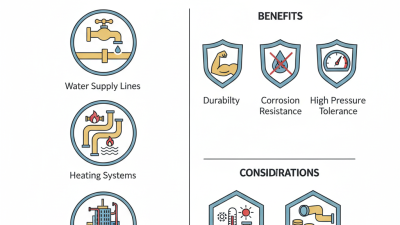
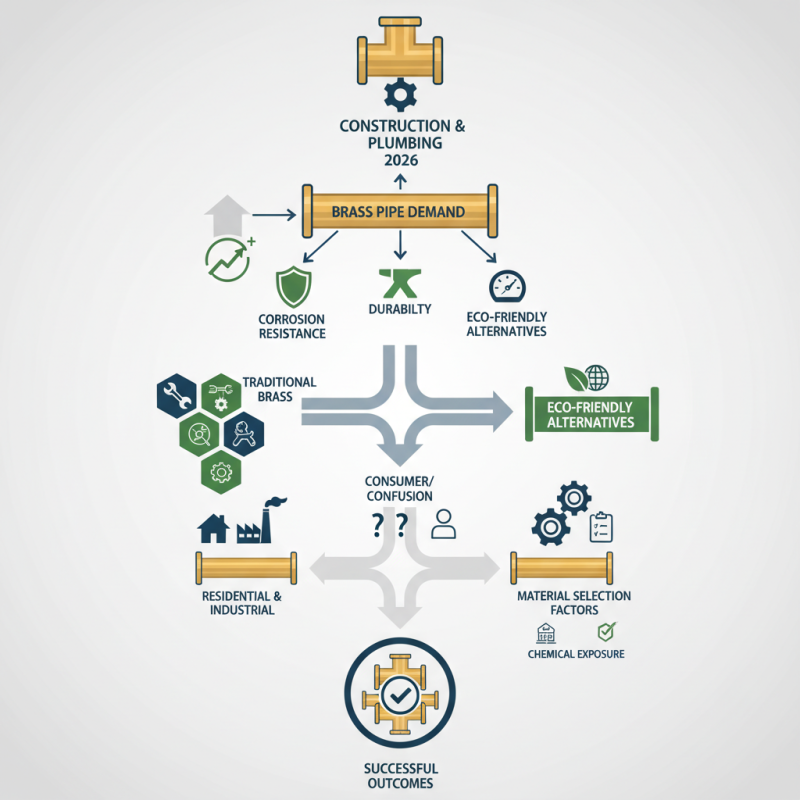
As we approach 2026, the construction and plumbing industries are experiencing significant transformations. A pivotal component of these changes is the increasing reliance on Brass Pipe. According to recent industry analysis from the Global Plumbing Association, the demand for Brass Pipes is projected to grow by 8% annually. This surge is driven by their corrosion resistance, durability, and ability to withstand high pressures, making them ideal for both residential and industrial applications.
However, not all Brass Pipe options are equal. Variations in manufacturing processes and alloy compositions can significantly impact performance. The emergence of eco-friendly alternatives is also reshaping the landscape. While traditional Brass Pipes have their advantages, there are newer materials designed to alleviate some environmental concerns. Market research indicates that consumers are often confused about the best choice. Even among seasoned professionals, the variations can lead to mistakes in material selection that affect long-term reliability and cost-efficiency.
Experts emphasize the importance of understanding the specific applications for Brass Pipes. Each project requires careful consideration of factors like pressure ratings and resistance to chemical exposure. While Brass Pipes remain a staple, ensuring the right selection is key to successful outcomes. With numerous options available, industry professionals must navigate this complex landscape thoughtfully.
The Importance of Choosing the Right Brass Pipe Materials
When selecting brass pipe materials, it is crucial to consider their properties and applications. Brass pipes are known for their durability and resistance to corrosion, making them ideal for plumbing systems. According to industry reports, properly choosing brass can improve life expectancy by up to 25%. The right alloy composition significantly impacts performance and reliability.
Tips: Ensure you evaluate the working environment of your pipes. High temperatures and pressures can affect the integrity of different brass types.
Some brass alloys, such as C36000, show excellent machinability and are widely used in fittings and valves. However, the occurrence of dezincification in certain alloys can lead to failures in specific conditions. This raises concerns about dependence on traditional choices without a thorough understanding of their limitations.
Tips: Regular inspections of your plumbing system can help identify corrosion early. Consider the environment when selecting materials. Proper knowledge can save costly replacements.
Balancing performance with cost is essential. While some may lean towards more economical options, investing in high-quality brass can reduce long-term maintenance. Awareness of material properties ensures better planning for installations.
Key Considerations for Brass Pipe Selection in 2026
When selecting brass pipes for 2026, several key factors come into play. The choice of brass type significantly impacts durability and corrosion resistance. According to a recent industry report, over 70% of professionals prioritize malleability and strength in their selections. Lead-free brass options are becoming increasingly popular, particularly for water supply applications. These materials not only reduce health risks but also comply with new regulations aimed at protecting public health.
Another crucial consideration is the pipe's specific applications. For example, heating applications require brass with higher thermal conductivity. Data shows that using high-quality brass in HVAC systems can enhance efficiency by up to 25%. Additionally, the compatibility of brass with other materials must be assessed. Dissimilar metals can lead to galvanic corrosion, which can compromise system integrity.
While cost is always a factor, the long-term benefits of selecting the right brass pipe can outweigh initial expenses. Investing in high-quality materials may lead to a lower frequency of maintenance, which can be a significant hidden cost. Balancing upfront costs with future savings is essential, but many still struggle to find this equilibrium. Understanding the long-term impacts of material choices will ultimately lead to better project outcomes.
Top Brass Pipe Manufacturers and Product Recommendations
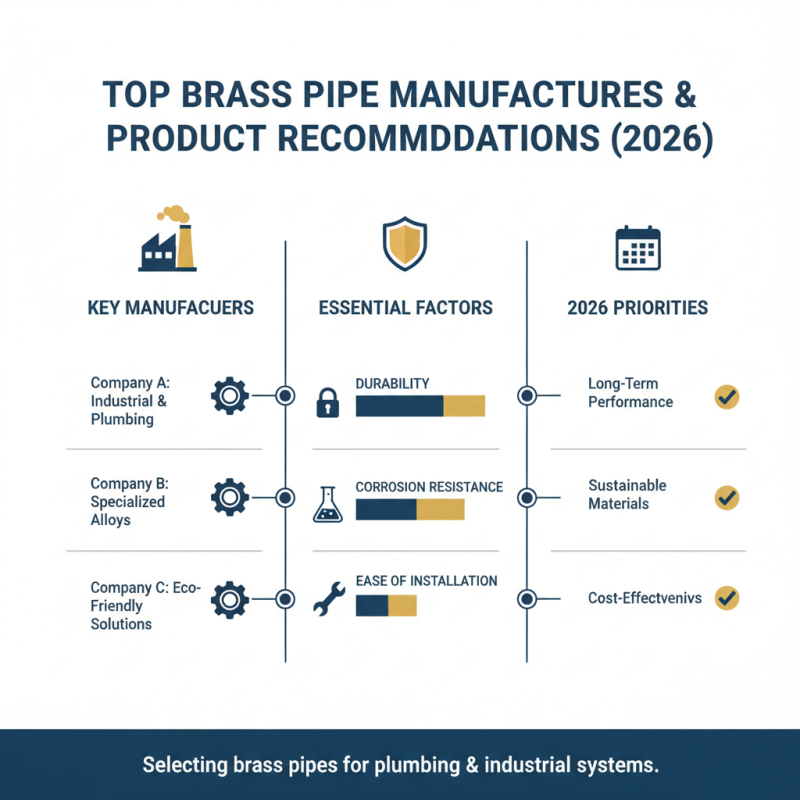
When selecting brass pipes for various applications in 2026, many factors come into play. The market offers a range of options that cater to different needs. Key manufacturers focus on durability, corrosion resistance, and ease of installation. These aspects are essential for ensuring long-term performance in plumbing and industrial systems.
It's crucial to evaluate the specifications of brass pipes carefully. Look for pipes with high tensile strength and a verified seal against leaks. Some pipes may not perform as expected under heavy load. Be cautious of cheaper alternatives that compromise quality. Consulting industry reviews and expert opinions can help identify reliable products. Furthermore, experimenting with different sizes and thicknesses can lead to discovering the best fit for specific projects.
Ultimately, investing in high-quality brass pipes can save costs in repairs and replacements. Reliable pipes enhance efficiency and significantly reduce maintenance requirements. Listening to feedback from experienced professionals can also guide smarter purchases. Achieving optimal performance requires continuous learning and adaptation in an ever-evolving market.
Comparative Analysis of Brass Pipe Sizes and Formats
When selecting brass pipes, the size and format significantly impact performance. Standard sizes for brass pipes often include 1/2 inch, 3/4 inch, and 1 inch. Each size caters to different applications, from residential plumbing to industrial systems. Data from the American Society of Plumbing Engineers (ASPE) indicates that pipe diameter greatly influences flow rate and pressure loss. For instance, a 1-inch pipe typically allows for higher flow than a 1/2 inch pipe, which could lead to inefficiencies in larger installations.
Comparing formats, such as rigid versus flexible brass pipes, reveals additional considerations. Rigid pipes excel in durability and pressure handling, while flexible options offer ease during installation. The 2022 Plumbing and Heating Contractors report suggested that contractors increasingly favor flexible pipes for tight spaces. However, this choice might result in compromised pressure ratings in some applications.
Evaluating these factors requires thoughtful consideration of the specific requirements for each project. Not every size or format will suit every scenario. Industry feedback highlights the importance of choosing the right option to avoid potential operational challenges. Understanding the trade-offs is essential for making informed decisions in brass pipe selection.
What are the Best Brass Pipe Options for 2026? - Comparative Analysis of Brass Pipe Sizes and Formats
| Pipe Size |
Length (inches) |
Diameter (inches) |
Wall Thickness (inches) |
Weight (lbs per ft) |
Pressure Rating (psi) |
Corrosion Resistance (Rating) |
| 1/2" |
36 |
0.625 |
0.065 |
0.38 |
3000 |
High |
| 3/4" |
36 |
0.875 |
0.065 |
0.49 |
3000 |
High |
| 1" |
36 |
1.125 |
0.065 |
0.60 |
3000 |
Moderate |
| 1 1/4" |
36 |
1.500 |
0.065 |
0.74 |
3000 |
Moderate |
| 1 1/2" |
36 |
1.750 |
0.065 |
0.88 |
3000 |
Low |
Future Trends in Brass Pipe Technology and Applications
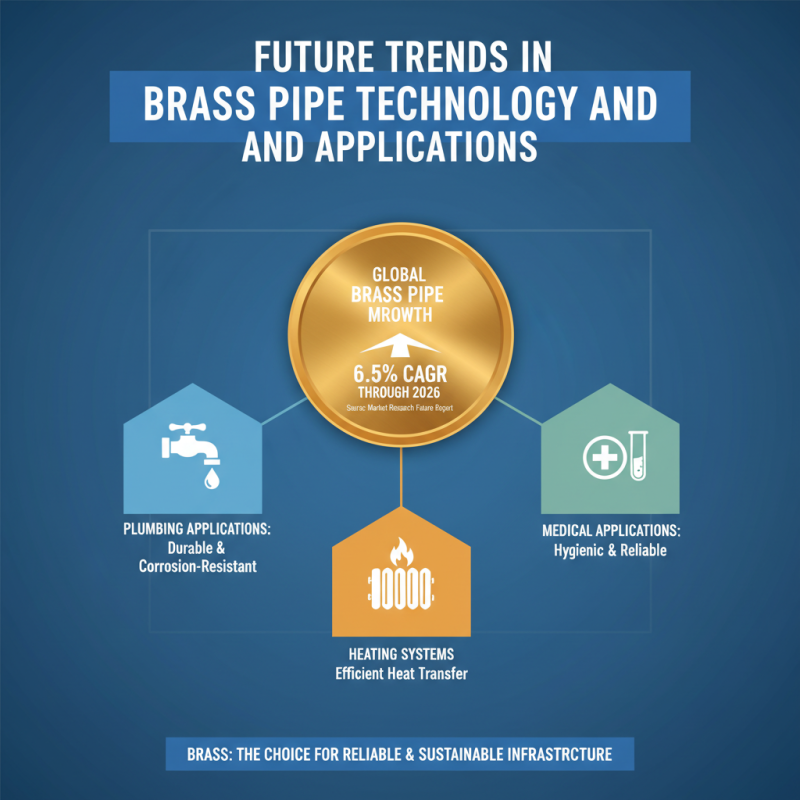
The brass pipe industry is evolving rapidly. According to a recent report by Market Research Future, the global brass pipe market is expected to grow at a CAGR of 6.5% through 2026. This growth is driven by increased demand in plumbing, heating, and medical applications. The need for durable and corrosion-resistant materials makes brass an ideal choice.
One notable trend is the integration of eco-friendly practices in brass manufacturing. This shift stems from a growing awareness of sustainability issues. A study by the International Brass Association highlighted that over 70% of manufacturers are investing in greener technologies. Companies are adopting recycling programs to reduce waste in production. Expect to see more NSF-certified brass pipes, ensuring safe drinking water applications.
The rise of smart technology in brass pipe systems is also notable. Automated systems improve efficiency in fluid management. These technologies often rely on sensors and smart controls. A report from the American Society of Plumbing Engineers indicates a marked increase in the adoption of smart systems in residential and commercial buildings. Yet, the high initial costs remain a concern, posing challenges for widespread implementation. It's critical to evaluate these evolving trends to ensure they align with future industry standards and consumer needs.