What Are the Benefits of Automotive Steel for Global Buyers
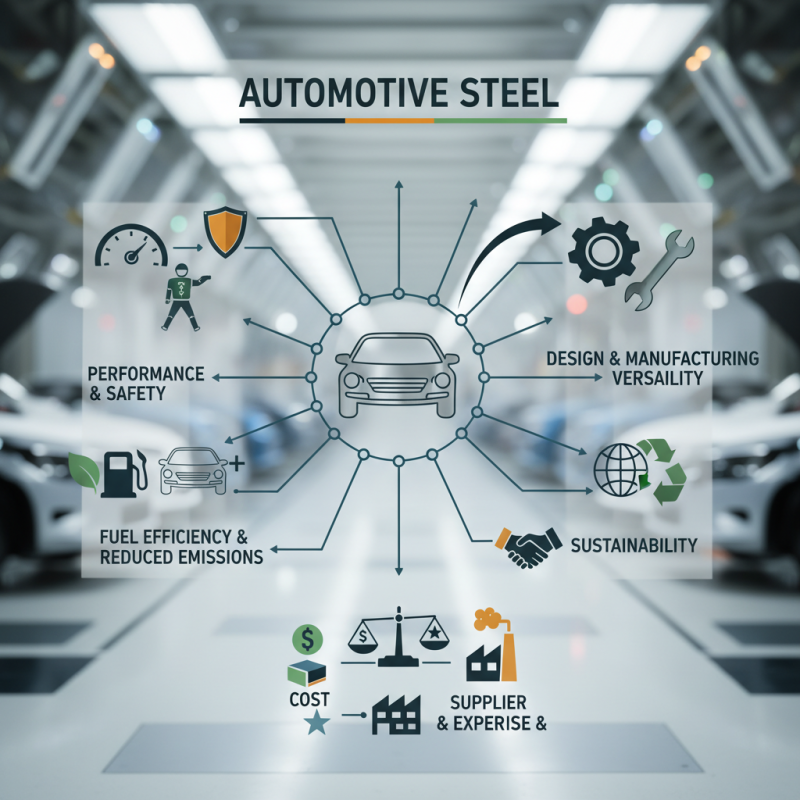
Automotive Steel plays a pivotal role in the global automotive industry. It's a fundamental material influencing vehicle performance, safety, and sustainability. Many global buyers might not fully grasp its intricate benefits. This material is not just about strength; it also offers versatility in design and manufacturing processes.
With its unique properties, Automotive Steel can help manufacturers produce lighter vehicles without compromising safety. This leads to better fuel efficiency and reduced emissions. As environmental concerns rise, the demand for sustainable materials grows. Automotive Steel meets these needs, but it also faces challenges. For instance, the balance between cost and quality can be hard to achieve.
Buyers must reflect on their choices. While Automotive Steel is known for its reliability, not all suppliers offer the same quality. Understanding the varying grades of steel is essential. Making informed decisions relies on expertise and trustworthiness of suppliers. By choosing the right Automotive Steel, buyers can significantly enhance their products and contribute positively to the environment.
Advantages of Automotive Steel: A Global Perspective
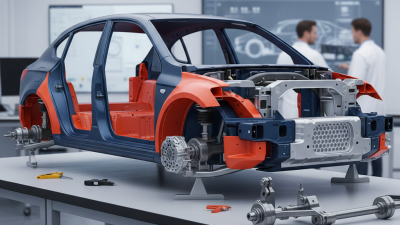
Automotive steel stands out for its strength, affordability, and versatility. According to a report by the World Steel Association, around 60% of the materials used in vehicles today are steel. This high percentage indicates steel's crucial role in vehicle manufacturing. Steel’s durability enhances vehicle safety, providing a well-structured framework that protects passengers during collisions. Additionally, its recyclability aligns with growing sustainability goals in the automotive industry, where nearly 90% of steel can be reused.
The production of automotive steel has undergone significant advancements. Recent data shows that the switch to high-strength steel allows manufacturers to reduce weight without sacrificing performance. A lighter vehicle means improved fuel efficiency, contributing to lower emissions. As governments worldwide enforce stricter environmental regulations, this shift becomes increasingly essential. However, some manufacturers still face challenges in integrating new steel types into existing production lines, indicating a need for strategic planning and investment.
One cannot overlook the cost-effectiveness of automotive steel. It typically has lower raw material costs compared to alternatives like aluminum. While some manufacturers experiment with alternative materials, the stability of steel’s supply chain offers an advantage. Yet, the volatility of the steel market can pose risks, leading to unexpected fluctuations in manufacturing costs. Buyers must weigh these factors carefully in their decision-making processes.
Economic Benefits of Automotive Steel for Global Buyers
Automotive steel plays a crucial role in the global market. Its economic benefits for buyers are significant. First, this material is cost-effective. It offers durability and strength without a hefty price tag. Manufacturers can produce vehicles that last longer and resist wear. This characteristic reduces long-term costs.
Additionally, automotive steel is lightweight. This feature enhances fuel efficiency in vehicles. A lighter car requires less energy to operate, saving buyers on fuel expenses. We must acknowledge that not all steel products meet these high standards. Quality can vary, and this inconsistency is worth considering. Buyers should conduct thorough research to find reliable suppliers.
Moreover, the global demand for electric vehicles is rising. Many electric models use advanced steel technologies. This evolution brings new possibilities and challenges for manufacturers. While the benefits are evident, the shift may require adjustments in production methods. Embracing these changes could lead to innovative solutions and improved economic outcomes for buyers.
Economic Benefits of Automotive Steel for Global Buyers
Sustainability and Eco-friendliness of Automotive Steel
The automotive industry faces increasing pressure to adopt sustainable practices. Automotive steel plays a critical role in this transition. It is recyclable, which significantly reduces waste and conserves resources. Steel can be reused multiple times without losing its properties. This makes it a sustainable choice for vehicle manufacturing.
Moreover, steel production has seen advancements to minimize its environmental impact. New technologies reduce emissions and energy consumption during manufacturing. However, the production process is still energy-intensive. Producers must be held accountable to improve their methods continuously. Buyers should prioritize sourcing from companies committed to eco-friendly practices.
The lifecycle of automotive steel also contributes to sustainability. Steel parts can enhance a vehicle's durability and longevity, ultimately reducing the need for replacements. Nonetheless, challenges exist in recycling procedures. Efficient systems must be developed to ensure that steel is recycled properly after a vehicle's end of life. Collectively, the responsible use of automotive steel can lead to a greener future for the industry.
Performance and Safety Advantages of Automotive Steel in Vehicles
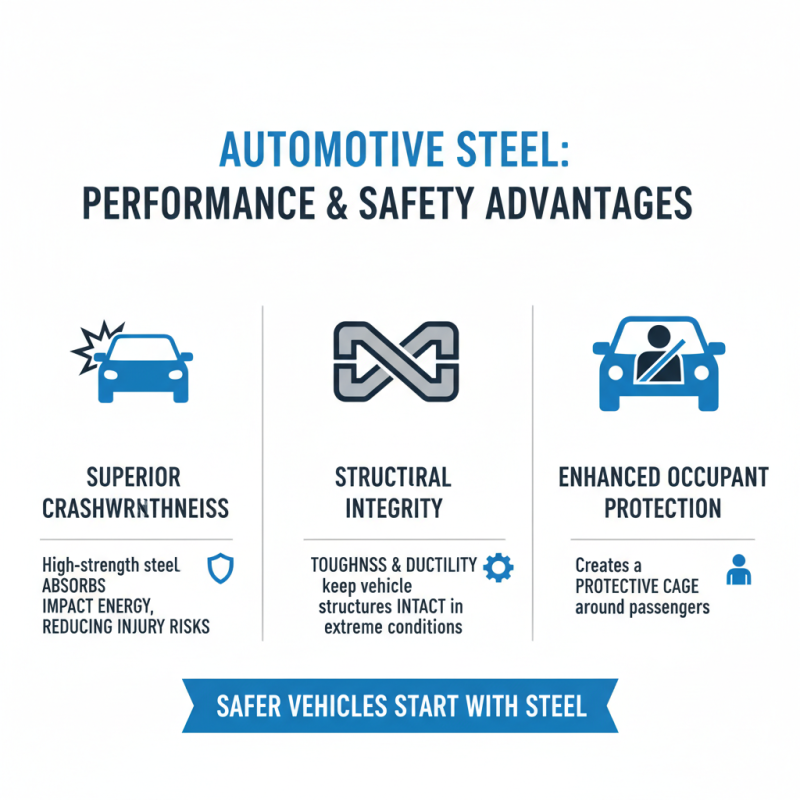
When it comes to automotive design, safety is paramount. Automotive steel plays a crucial role in enhancing this aspect. High-strength steel provides excellent crashworthiness, helping vehicles absorb impact energy effectively. This feature reduces injury risks for occupants during an accident. Steel's inherent toughness and ductility ensure that vehicle structures remain intact in extreme conditions.
Performance is another vital advantage. Steel allows manufacturers to produce lighter vehicles without compromising strength. This lightweight design improves fuel efficiency, a key concern for many buyers today. However, some may overlook the balance between weight and safety. Too much emphasis on weight reduction can lead to potential vulnerabilities in vehicle design.
It's important to recognize the evolving challenges in automotive safety. Although automotive steel is beneficial, advancements in other materials are also noteworthy. Manufacturers must continuously assess material choices, striving for the best safety and performance outcomes. The path forward involves not just innovation, but a commitment to understanding steel's role in an ever-changing landscape.
Market Trends Influencing the Demand for Automotive Steel Globally
The global automotive steel market is witnessing significant shifts due to several emerging trends. A recent report from Market Research Future indicates that the automotive steel market is projected to grow at a CAGR of approximately 4% from 2021 to 2027. This growth is primarily driven by the increasing demand for lightweight vehicles. Lightweight steel allows manufacturers to enhance fuel efficiency without compromising safety and structural integrity.
Another factor influencing this demand is the rise in electric vehicle (EV) production. As more automakers transition to electric models, the need for high-strength, lightweight materials becomes critical. According to the Global Steel Association, the auto industry accounts for nearly 12% of the world’s steel consumption, highlighting the pivotal role steel plays in vehicle manufacturing. Furthermore, advancements in steel processing techniques are leading to the production of ultra-high-strength steel, which improves performance while minimizing weight.
Sustainability is also becoming a crucial element. With stricter regulations on emissions, automakers need materials that align with eco-friendly goals. Yet, there are challenges. The fluctuating prices of raw materials and global supply chain disruptions pose risks to steel availability. This inconsistency in supply can lead to production delays, thus requiring manufacturers to adapt quickly. The market demands resilience, and teams must reflect on their strategies to mitigate these risks effectively.