

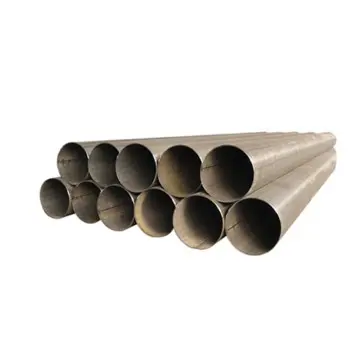
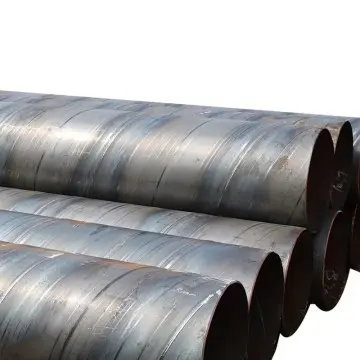
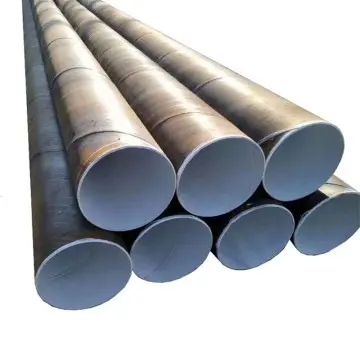


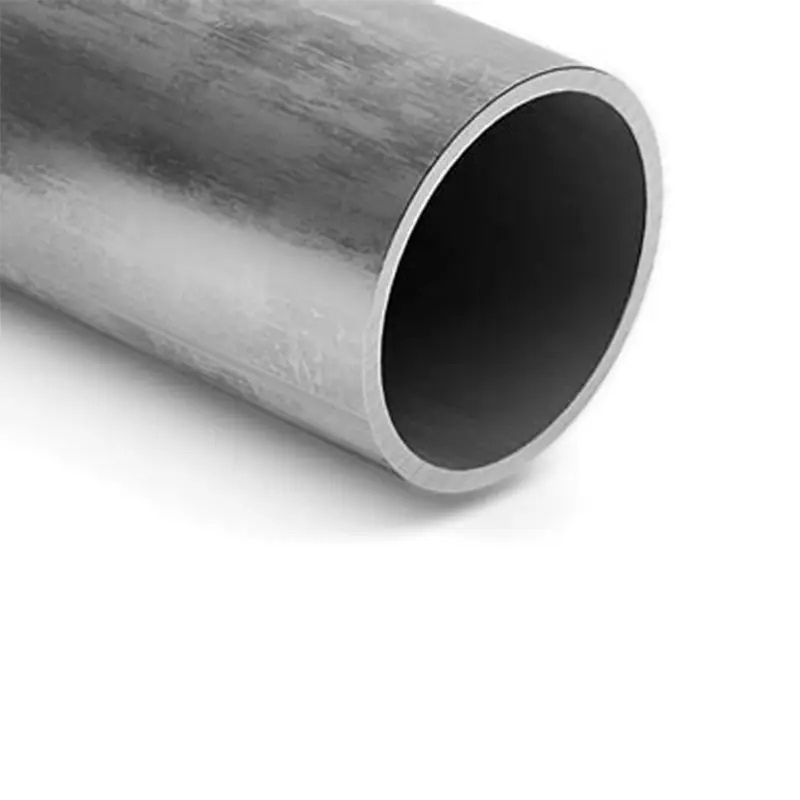
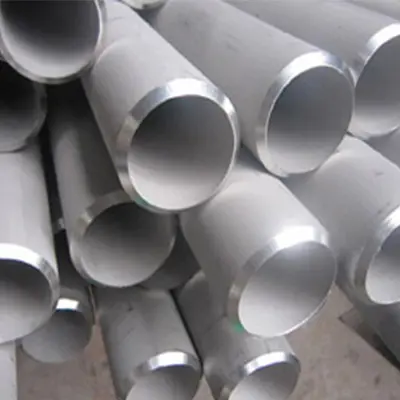
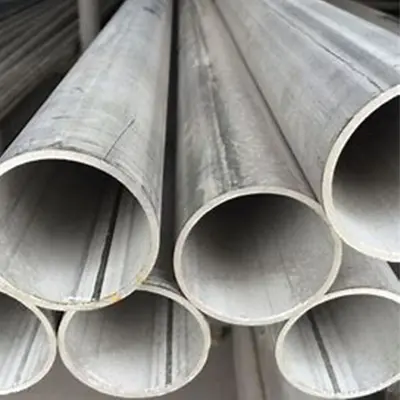
Adapting to changes in welded alloy pipe sales
specification
|
Product Name |
welded alloy pipe |
|
Standard |
ASTM,JIS,DIN,GB,AISI,DIN,EN |
|
Material |
304、316、321、6061、6063、Inconel、Monel、Ti-6Al-4V、16Mn、20Cr、 brass, bronze |
|
Outer diameter range |
Small diameter alloy pipe: The outer diameter is generally between 6mm and 50mm, suitable for some small equipment and piping systems.
Medium diameter alloy pipe: The outer diameter is generally between 50mm and 200mm, widely used in industrial pipelines and construction projects.
Large diameter alloy pipe: The outer diameter is generally above 200mm, suitable for pipeline systems in large equipment, oil, natural gas and other industries. |
|
Thickness range |
Small diameter alloy pipe: The wall thickness is usually between 1mm and 5mm, suitable for some small equipment and piping systems.
Medium diameter alloy pipe: The wall thickness is generally between 5mm and 10mm, and is widely used in industrial pipelines and construction projects.
Large diameter alloy pipe: The wall thickness can be above 10mm, even up to 20mm or thicker, suitable for piping systems under high pressure, high temperature or special environments. |
|
Length range |
Customized length according to customer's special requirements. |
|
Error |
±1% |
|
Certification |
ISO 9001 ,CE,API |
|
Surface treatment |
Pickling、Sandblasting、Electroplated、Coating、Polishing、Heat Treatment、Oxidation treatment |
|
Country of origin |
China |
|
Main Applications |
1.Oil and Gas Industry: Used to transport oil, natural gas and their derivatives, especially under high pressure and high temperature environment. |
|
2.Chemical Industry: Used in chemical reactors, pipelines and storage tanks, able to withstand corrosive media. |
|
|
3.Architectural and Structural Engineering: Used in building structures, supports and frames to provide strength and stability. |
|
|
4.Aerospace: Used for structural parts of aircraft and spacecraft, which require light weight and high strength. |
|
|
5.Automobile industry: used in automobile exhaust systems, cooling systems and other key components. |
|
|
6.Food and pharmaceutical industry: Used in food processing and pharmaceutical equipment, requiring high hygiene standards and corrosion resistance. |
|
|
7.Electric power industry: used for boilers, heat exchangers and other high temperature and high pressure equipment. |
|
|
8.Water treatment: used for water pipes and sewage treatment facilities, requiring corrosion resistance and wear resistance. |
|
|
Package |
Simple packaging, reinforced packaging, wooden frame, metal frame, pallet, wrapping |
|
Payment Term |
TT, LC,Cash, Paypal, DP, DA,Western Union or Others. |
|
After-sales service |
1. Quality assurance period 2. Return and exchange policy 3. Delivery and acceptance assistance 4. Customer feedback collection |
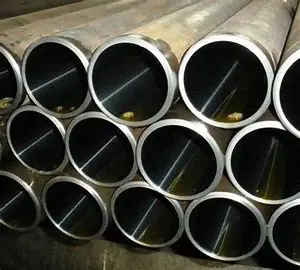
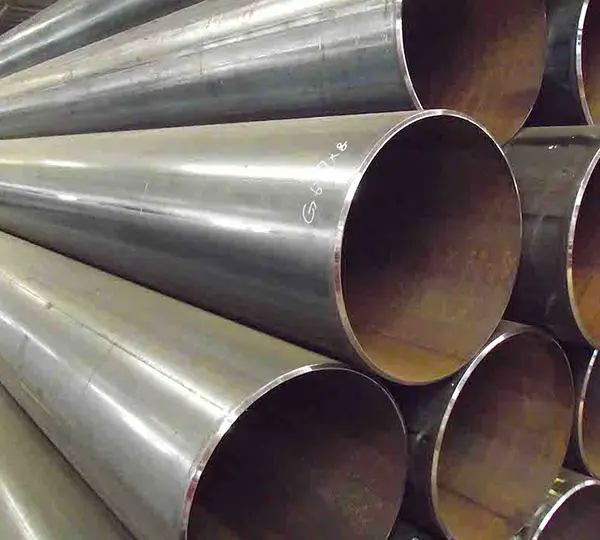
Product Display
Production process
.Raw material preparation:
Choose the appropriate alloy material, usually alloy steel, stainless steel, aluminum alloy, etc.
The specifications and composition of materials must comply with relevant standards and customer requirements.
.Cutting:
Cutting the raw material into the required lengths, usually using a sawing machine or laser cutting equipment.
.Molding:
The cut materials are formed into tubular structures through processes such as cold rolling or hot rolling.
During this process, a preheating treatment may be performed to increase the plasticity of the material.
.Welding:
Use appropriate welding process (such as TIG welding, MIG welding, submerged arc welding, etc.) to weld the edges of the pipes together to form a complete pipeline.
Welding parameters need to be controlled during the welding process to ensure the quality and strength of the weld.
.Heat treatment:
Heat treatment is performed on the welded alloy tube to eliminate welding stress and improve its mechanical properties and corrosion resistance.
.Surface treatment:
Carry out surface treatment such as pickling, sandblasting, polishing, electroplating or coating as needed to improve the corrosion resistance and aesthetics of the pipeline.
.Testing and Inspection:
Perform non-destructive testing (such as ultrasonic testing, X-ray testing, etc.) and physical property testing on welded alloy pipes to ensure they meet relevant standards and customer requirements.
.Packaging and delivery:
Clean, dry and pack qualified welded alloy tubes ready for shipment to customers.