



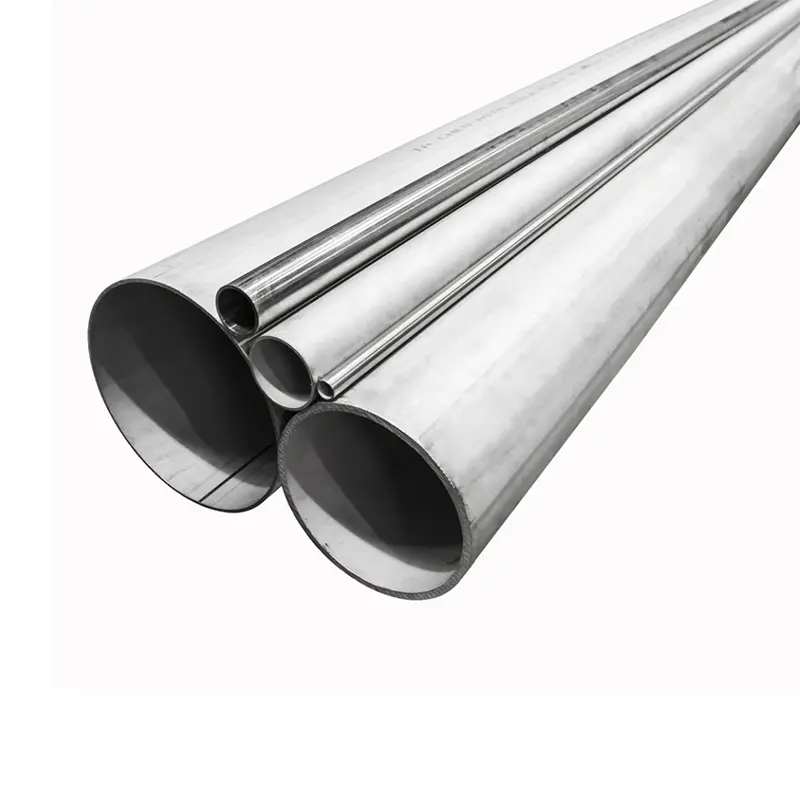
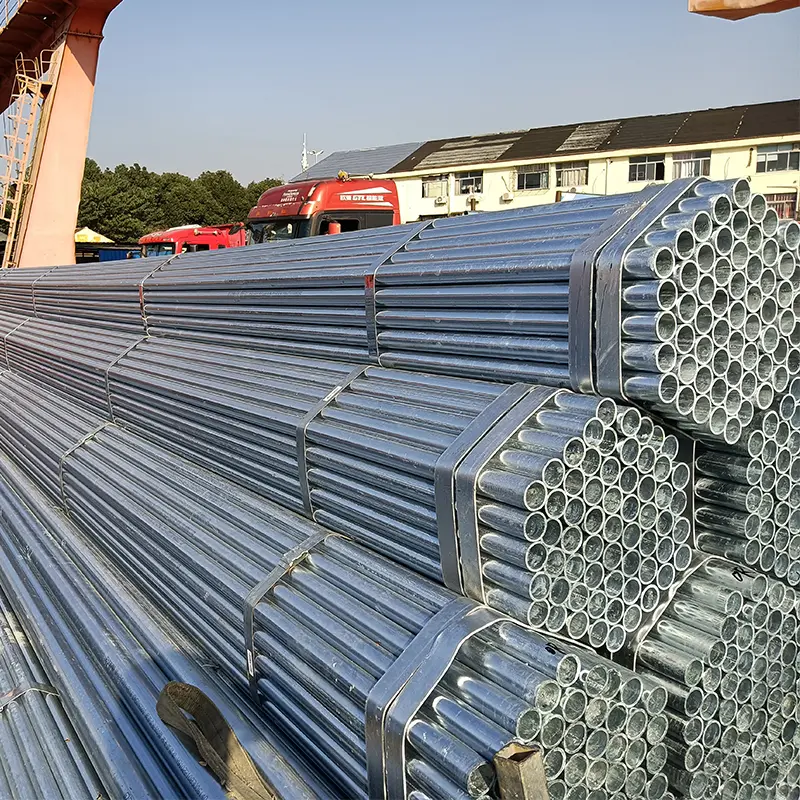
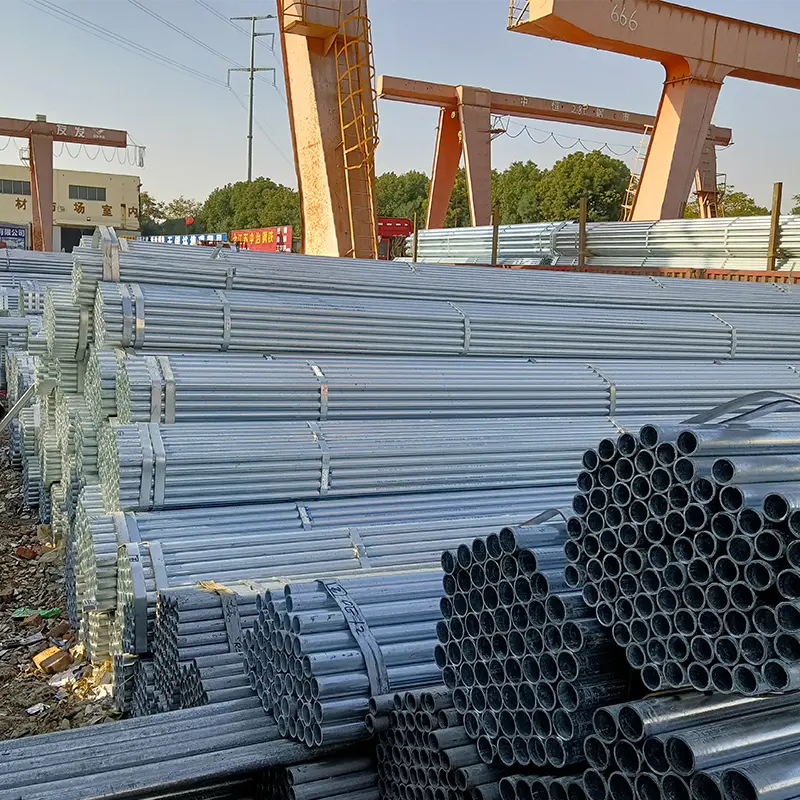
316 high quality stainless steel pipe
specification
|
Product Name |
316 stainless steel pipe |
|
|
Standard |
ASTM,JIS,DIN,GB,AISI,DIN,EN |
|
|
Outer diameter |
Round Pipe |
4mm-200mm |
|
Square Pipe |
10*10mm-100*100mm |
|
|
Rectangular Pipe |
10*20mm-50*100mm |
|
|
Wall Thickness |
0.6mm-6.0mm |
|
|
Length range |
1-6 meters, Length can be customized |
|
|
Error |
±1% |
|
|
Certification |
ISO 9001 ,CE,API |
|
|
Surface treatment |
Black, Bright Polished, Rough Turning, Matt Surface Treatment, No. 4. BA, etc. |
|
|
Country of origin |
China |
|
|
Main Applications |
1.Chemical Industry: Due to its excellent corrosion resistance, 316 stainless steel pipes are often used in the transportation and storage of chemicals, especially in acidic and chloride environments. |
|
|
2.Marine Engineering: In the marine environment, 316 stainless steel pipes can resist corrosion from salt water and are often used in ships, offshore platforms and other marine facilities. |
||
|
3.Food and Pharmaceutical Industry: 316 stainless steel pipes meet hygiene standards and are often used in food processing, pharmaceutical equipment and biotechnology to ensure product safety and hygiene. |
||
|
4.Construction and decoration: In the construction industry, 316 stainless steel pipes are used for building structures, railings, decorative elements, etc., and are favored for their beauty and durability. |
||
|
5.Oil and Gas Industry: Pipeline systems used to transport oil, natural gas and their derivatives due to their high temperature and corrosion resistance. |
||
|
6.Heat exchanger: In heat exchangers, 316 stainless steel pipes are widely used due to their good thermal conductivity and corrosion resistance. |
||
|
7.Medical Devices: In the medical industry, 316 stainless steel pipes are used to manufacture various medical devices and equipment due to their biocompatibility and easy-to-clean properties. |
||
|
Package |
Simple packaging, reinforced packaging, wooden frame, metal frame, pallet, wrapping |
|
|
Payment Term |
TT, LC,Cash, Paypal, DP, DA,Western Union or Others. |
|
|
After-sales service |
1. Quality assurance period 2. Return and exchange policy 3. Delivery and acceptance assistance 4. Customer feedback collection |
|
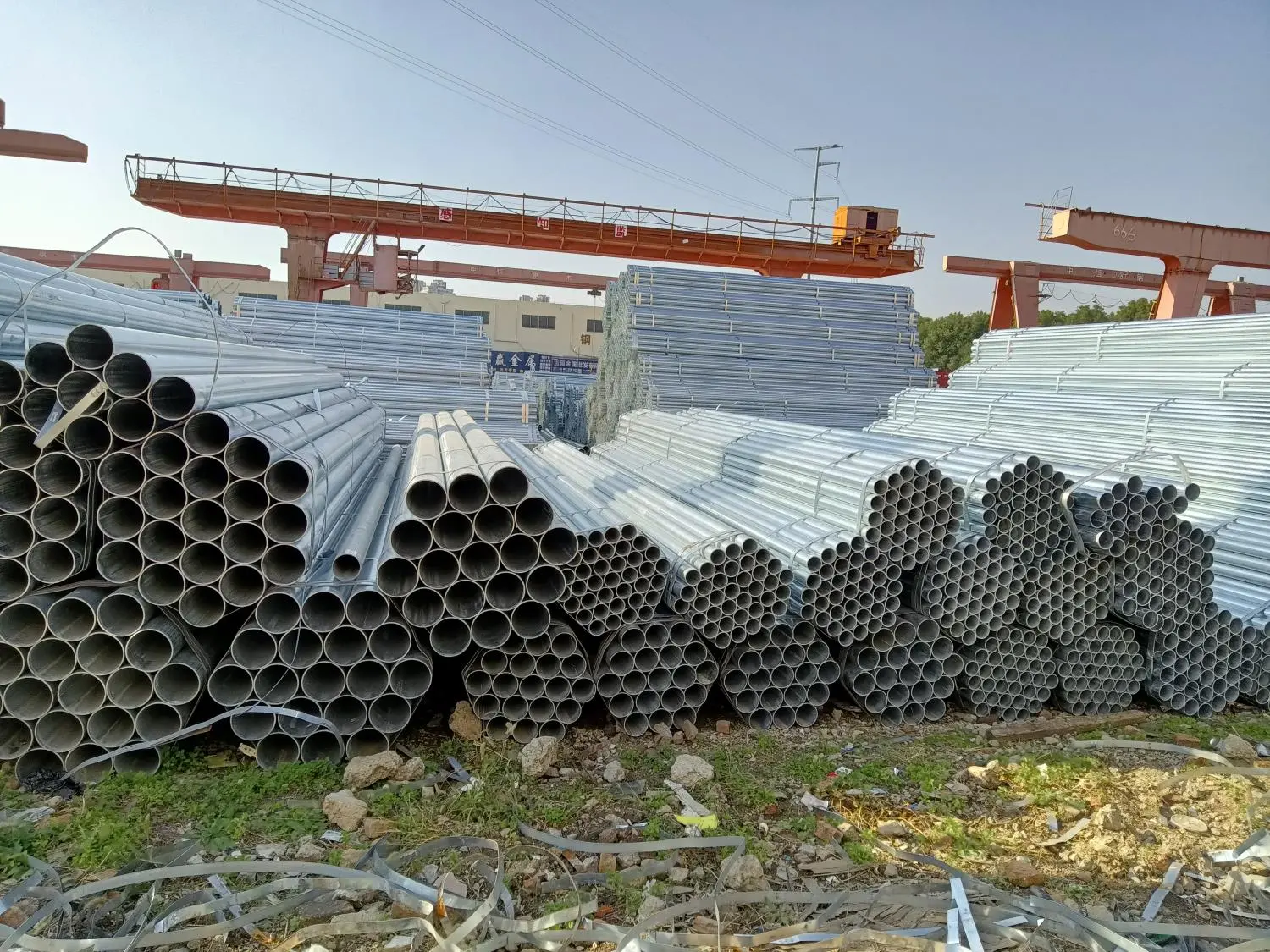
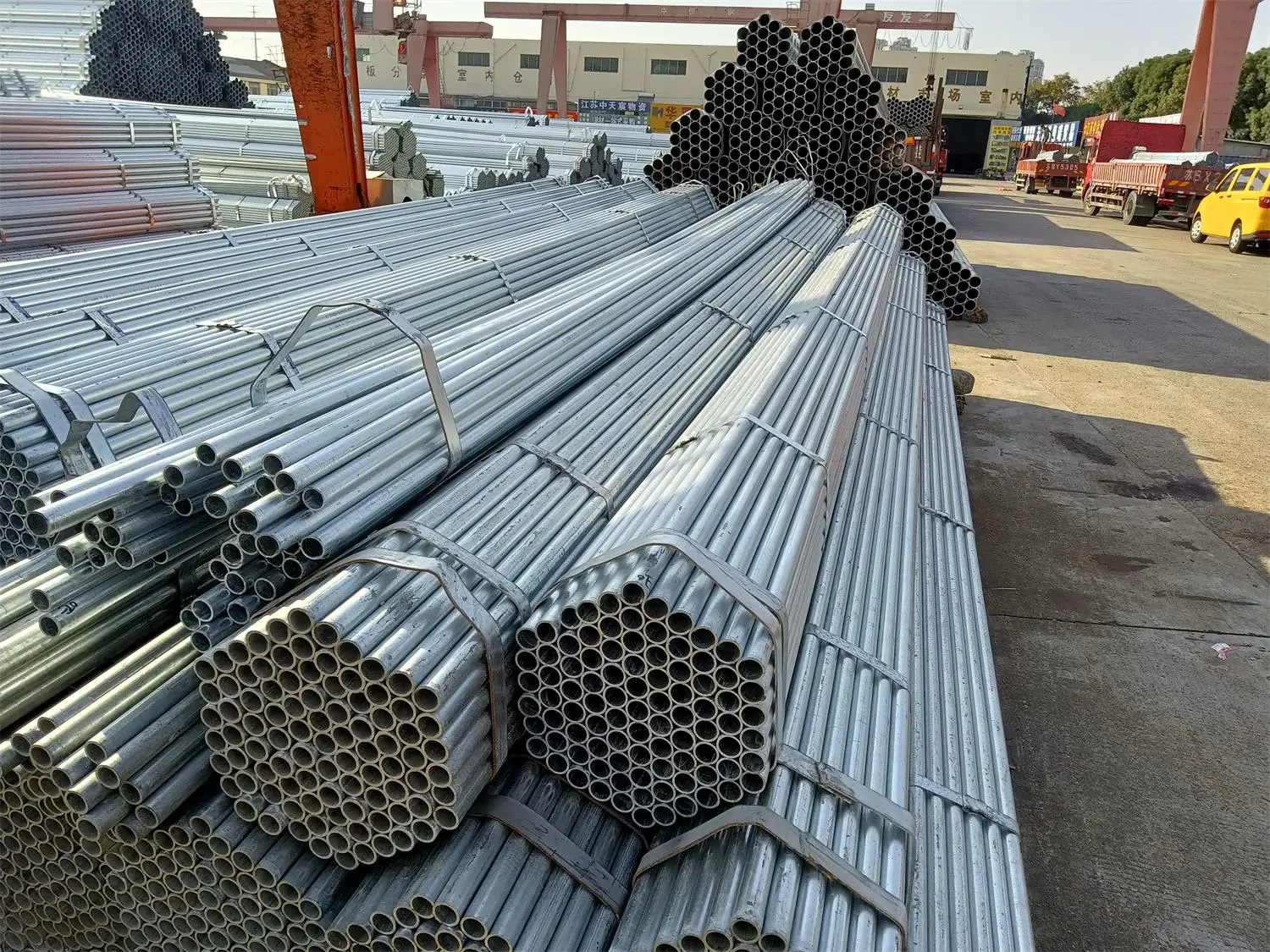
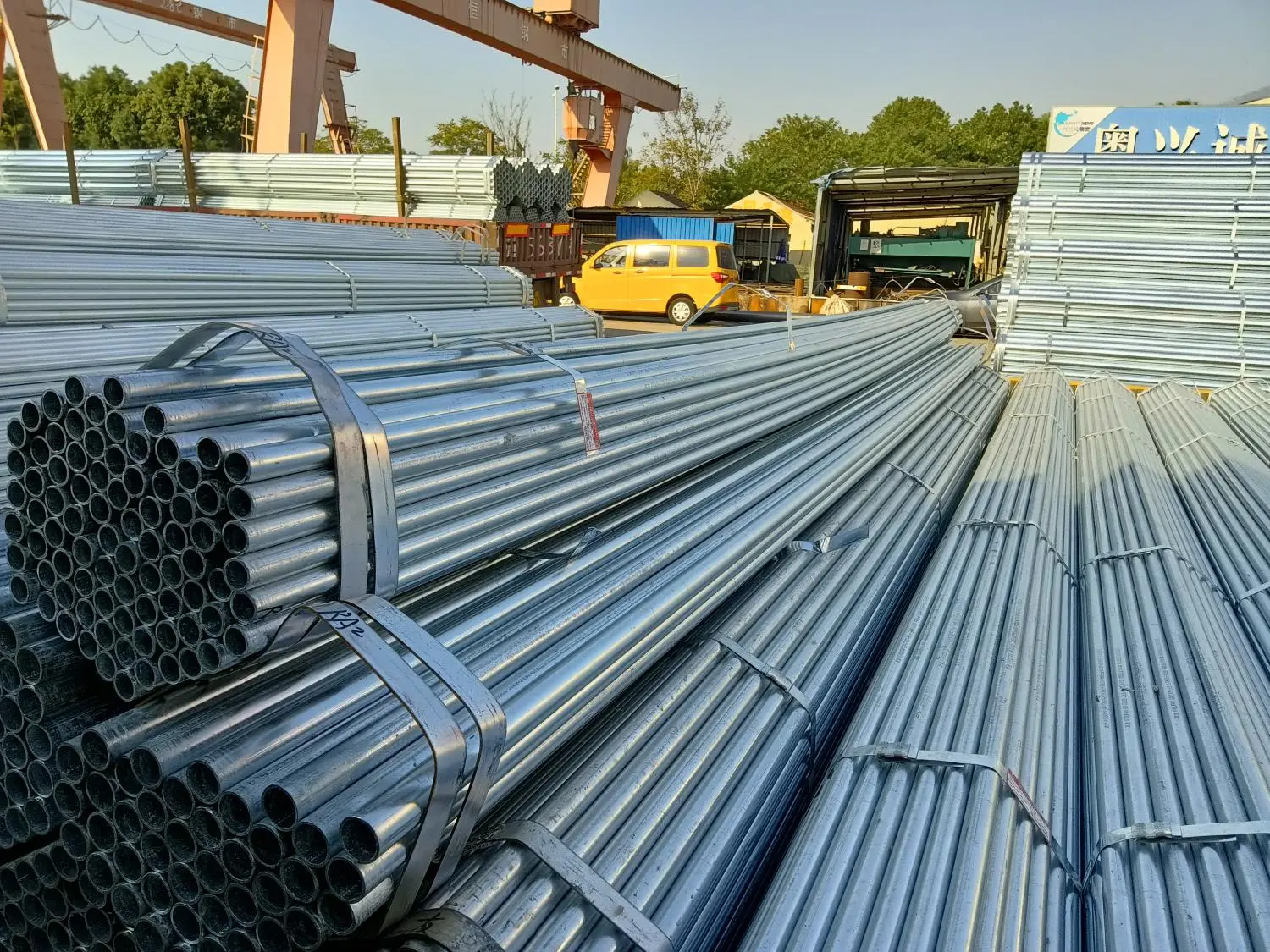
Product Display
Chemical Composition
|
C |
Si |
Mn |
Cr |
Ni |
S |
P |
Mo |
|
≤ 0.03 |
≤0.75 |
≤ 2.0 |
16.0~18.0 |
10.0~14.0 |
≤ 0.03 |
≤ 0.045 |
2.0~3.0 |
Mechanical Properties
|
Tensile Strength Kb (MPa) |
Yield Strength σ0.2 (MPa) |
Elongation D5 (%) |
Hardness |
|
≥480 |
≥177 |
≥40 |
≤ 187HB;≤ 90HRB;≤ 200HV |
Physical Performance
|
Density(g/cm³) |
Modulus of Elasticity(Gpa) |
Coefficient of Thermal Expansion(10-6/°C) |
Coefficient of Thermal Conductivity(W/m*K) |
Resistivity(ΜΩ. cm) |
|
7.99 |
193 |
16.0 |
16.2 |
74 |
Production process
Raw material preparation:
Choose the right raw material, usually 316 stainless steel alloy, the main components include iron, nickel, chromium and molybdenum.
Smelting:
The raw materials are placed in an electric arc furnace or induction furnace for melting to form liquid metal. The temperature and composition need to be controlled during the melting process to ensure the uniformity and quality of the alloy.
Casting:
Molten metal is poured into a mold and cooled to form an ingot or block. The cooling rate needs to be controlled during the casting process to avoid internal defects.
Hot rolled or cold rolled:
The ingot or block is gradually processed into the desired tube shape and size by hot or cold rolling. Hot rolling is usually carried out at high temperature, while cold rolling is carried out at room temperature to increase the strength and hardness of the material.
Welding (if applicable):
For some types of 316 stainless steel pipes, welding may be required. Welding can be done using different methods, such as TIG welding or laser welding, to ensure the strength and corrosion resistance of the weld.
Annealing:
After rolling and welding, 316 stainless steel pipes usually need to be annealed to eliminate internal stress and improve the toughness and corrosion resistance of the material.
Pickling and passivation:
The surface oxides and impurities are removed by pickling, followed by passivation to improve the corrosion resistance of stainless steel.
Cutting and forming:
According to customer needs, stainless steel pipes are cut into required lengths and shapes and subjected to necessary forming treatments.
Inspection and testing:
Carry out quality inspection on the produced 316 stainless steel pipes, including size, appearance, mechanical properties and chemical composition, to ensure compliance with relevant standards and customer requirements.
Packaging and Shipping:
Qualified 316 stainless steel pipes are cleaned and packaged and ready to be shipped to customers.