

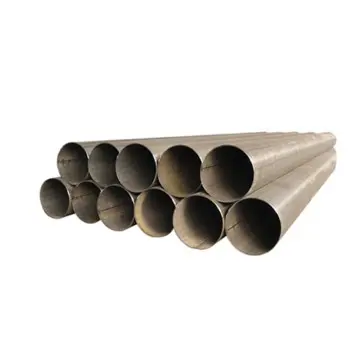
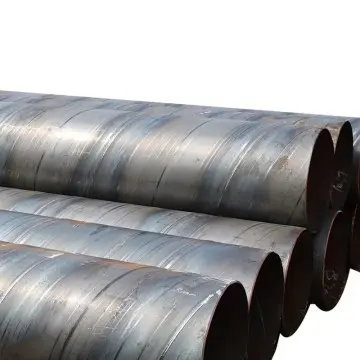
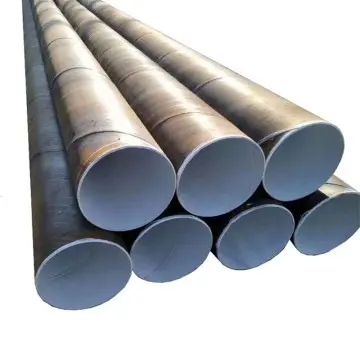


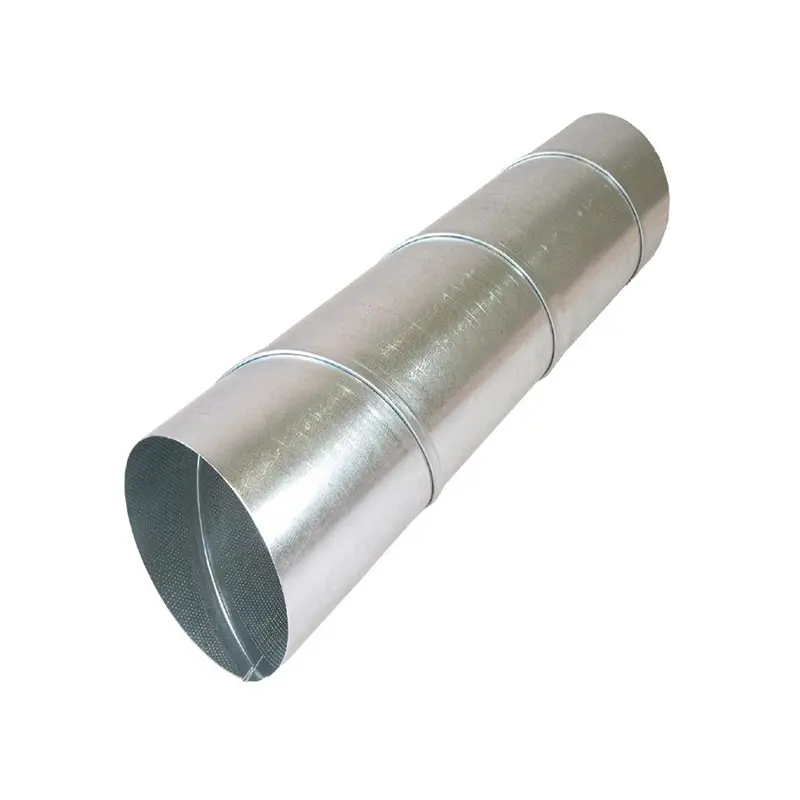
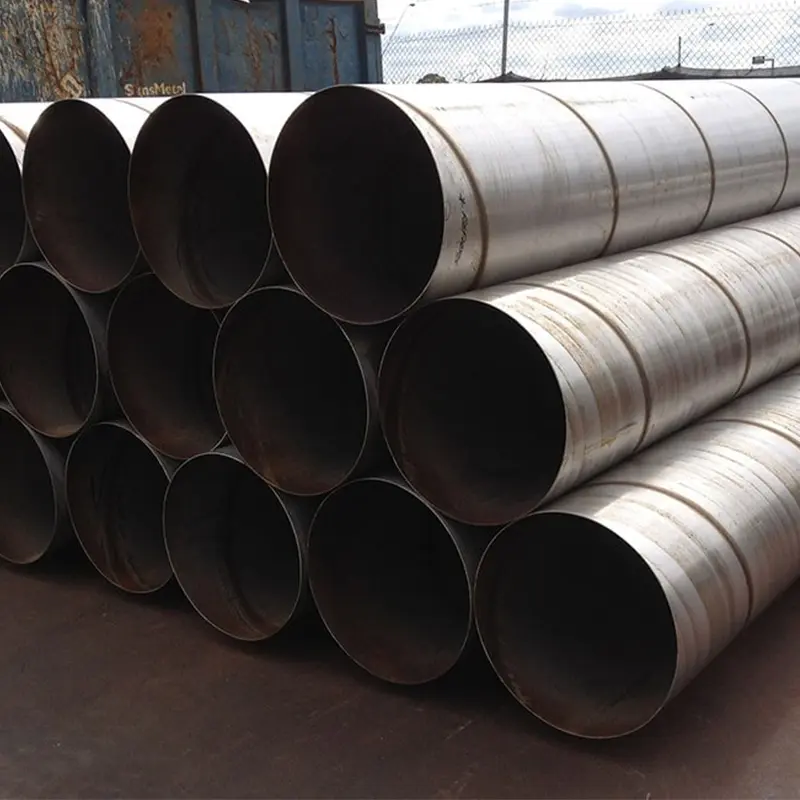
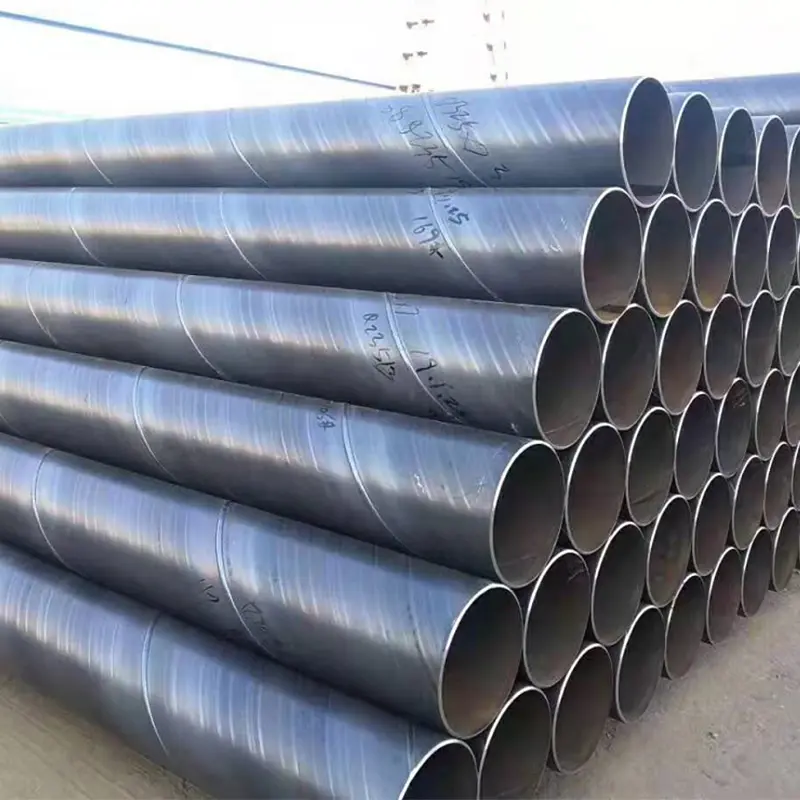
304, 316 stainless steel spiral welded pipe
specification
|
Product Name |
304, 316 stainless steel spiral welded pipe |
|
Standard |
ASTM,JIS,DIN,GB,AISI,DIN,EN |
|
Material |
ASTM A240/A240M、 0Cr18Ni9、X5CrNi18-10、SUS304、304S15、00Cr17Ni14Mo2、X5CrNiMo17-12-2、SUS316、 316S31 |
|
Outer diameter range |
Small OD: Usually starts from 1/2 inch (about 12.7 mm) Large OD: Can be 24 inches (approx. 610 mm) or larger, some manufacturers can even produce larger sizes |
|
Thickness range |
Minimum wall thickness: Usually starts from 1.0 mm Maximum wall thickness: 12 mm or thicker is possible, and even thicker thickness is possible for some special applications |
|
Length range |
The longest length is 6 meters, and can be customized by customers |
|
Error |
±1% |
|
Certification |
ISO 9001 ,CE,API |
|
Surface treatment |
Pickling, polishing, sandblasting, electrolytic polishing, coating, heat treatment |
|
Country of origin |
China |
|
Main Applications |
1.Food and Beverage Industry: Due to its good corrosion resistance and hygienic properties, 304 stainless steel is often used in food processing equipment, storage tanks and delivery pipelines. |
|
2.Chemical Industry: Used to manufacture chemical storage and transportation pipelines, suitable for a variety of chemical media. |
|
|
3.Architecture and Decoration: Used for building structures, railings, decorative pipes, etc. |
|
|
4.Medical equipment: Used in the manufacture of medical devices and equipment as they are easy to clean and sterilize. |
|
|
5.Water Treatment: Used in water treatment equipment and pipes due to its corrosion resistance and durability. |
|
|
6.Marine and Chemical Industry: 316 stainless steel is widely used in marine equipment, chemical storage tanks and pipelines due to its superior corrosion resistance, especially in chloride environments. |
|
|
7.Pharmaceutical Industry: Used in pharmaceutical equipment and pipelines because of its compliance with hygiene standards and corrosion resistance. |
|
|
8.Oil and Gas Industry: Used in oil and gas transportation pipelines due to its high temperature resistance and corrosion resistance. |
|
|
Package |
Simple packaging, reinforced packaging, wooden frame, metal frame, pallet, wrapping |
|
Payment Term |
TT, LC,Cash, Paypal, DP, DA,Western Union or Others. |
|
After-sales service |
1. Quality assurance period 2. Return and exchange policy 3. Delivery and acceptance assistance 4. Customer feedback collection |
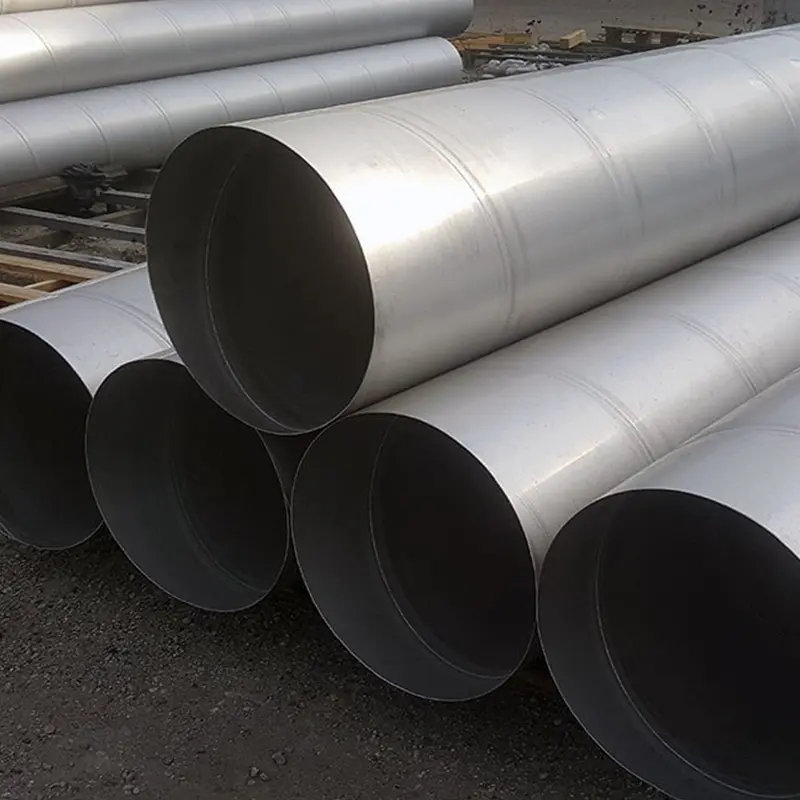
Product Display


Chemical Composition
C |
Si |
Mn |
Cr |
Ni |
S |
P |
|
304 |
≤ 0.08 |
≤1.0 |
≤ 2.0 |
18.0~20.0 |
8.0~10.5 |
≤ 0.03 |
≤ 0.035 |
316 |
≤ 0.03 |
≤ 0.75 |
≤ 2.0 |
16.0~18.0 |
10.0~14.0 |
≤ 0.03 |
≤ 0.045 |
Mechanical Properties
Tensile Strength Kb (MPa) |
Yield Strength σ0.2 (MPa) |
Elongation D5 (%) |
Hardness |
|
304 |
≥ 520
|
≥ 205 |
≥ 40 |
≤ 187HB ;≤ 90HRB;≤ 200HV |
316 |
≥480 |
≥177 |
≥ 40 |
≤ 187HB;≤ 90HRB;≤ 200HV |
Production process
1.Raw materials preparation
Stainless Steel Coil: Choose stainless steel coils that meet 304 or 316 standards, usually stainless steel strips.
Inspection: Quality inspection of raw materials to ensure their chemical composition and physical properties meet the requirements.
2.Rolling
Rolling: The stainless steel strip is rolled into a tube through a coiling machine to form a preliminary tube shape. This process usually bends the strip into a spiral shape by heating and pressure.
3.Welding
Spiral welding: Use automatic welding equipment to weld the rolled pipes, usually using welding processes such as TIG (Tungsten Inert Gas Arc Welding) or MIG (Massive Gas Welding). The quality and strength of the weld must be ensured during the welding process.
4.Cooling
Cooling treatment: After welding, the pipe needs to be cooled to ensure the stability of the weld and the pipe body.
5.Surface treatment
Pickling and passivation: The welded pipe is pickled to remove oxides and impurities generated during the welding process and subsequently passivated to improve corrosion resistance.
Polishing: Polishing may be performed to improve surface finish upon customer request.
6.Inspection
Dimensional inspection: Inspect the outer diameter, wall thickness, length, etc. of the welded pipe to ensure that it meets the design requirements.
Weld Inspection: Use non-destructive testing (such as ultrasonic testing, X-ray testing, etc.) to check the quality of the weld to ensure there are no defects.
7.Packaging and Shipping
Packaging: Qualified welded pipes are packaged, usually using wooden boxes, pallets or plastic films for protection.