

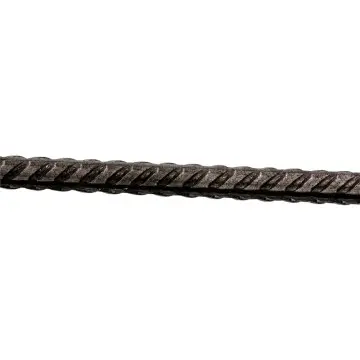
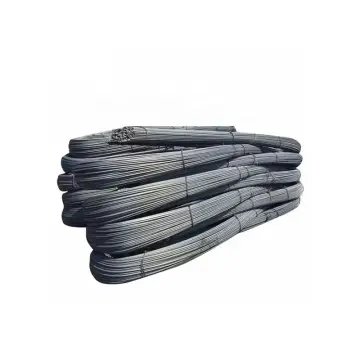
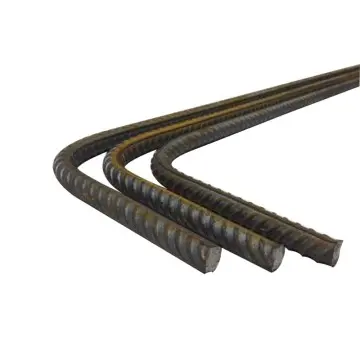
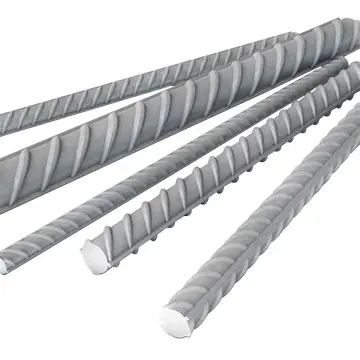
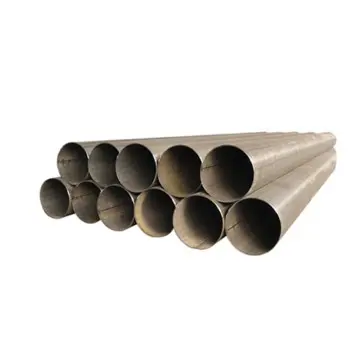
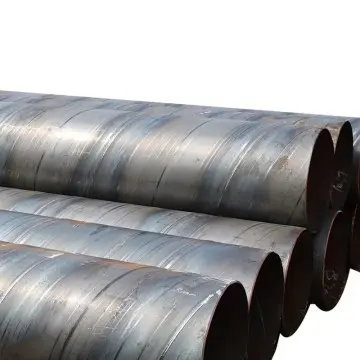
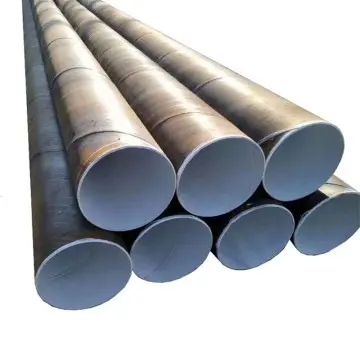


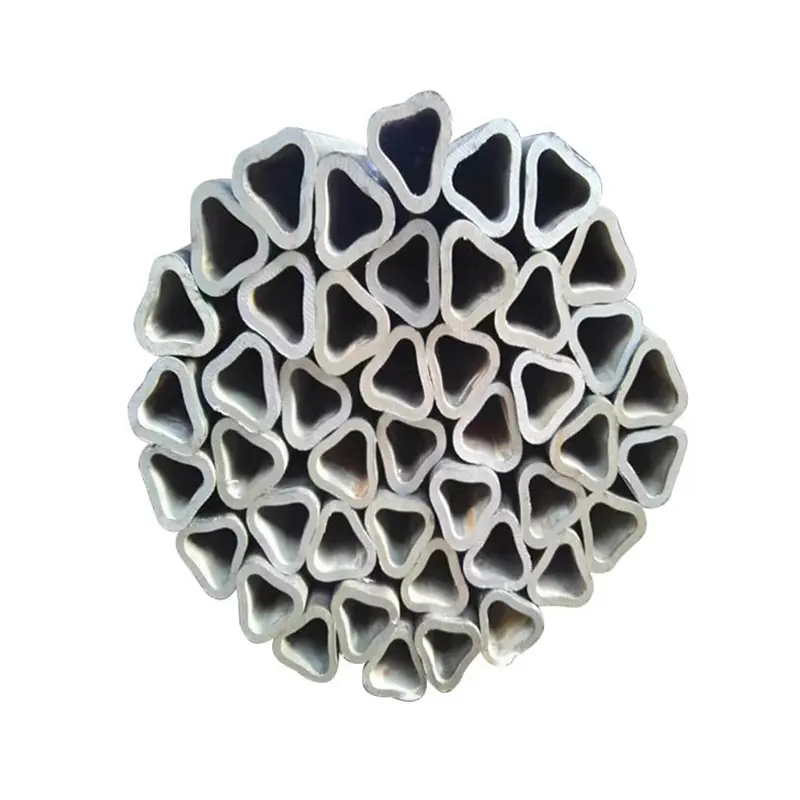
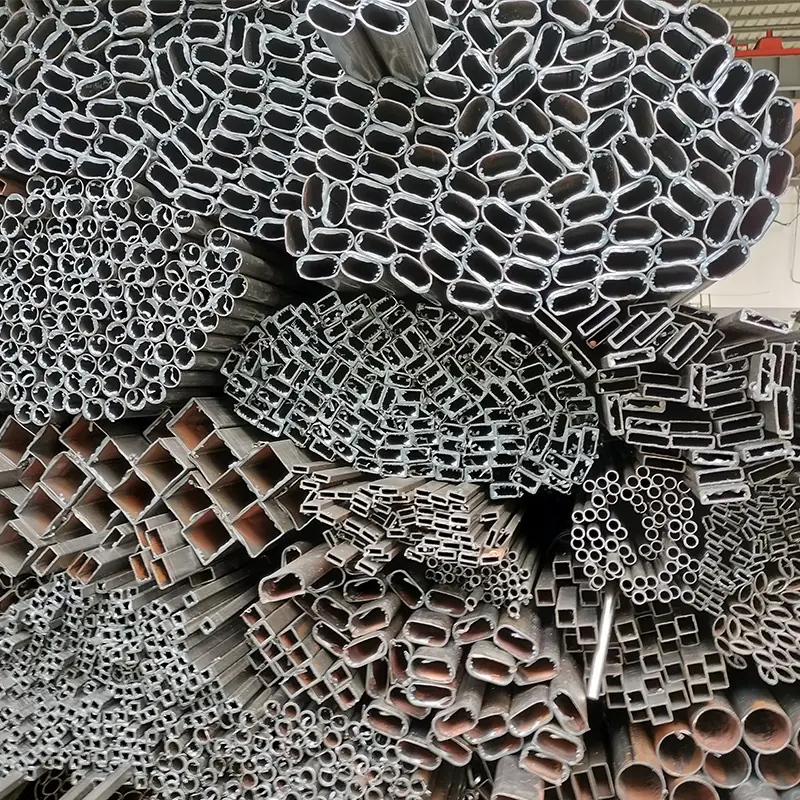
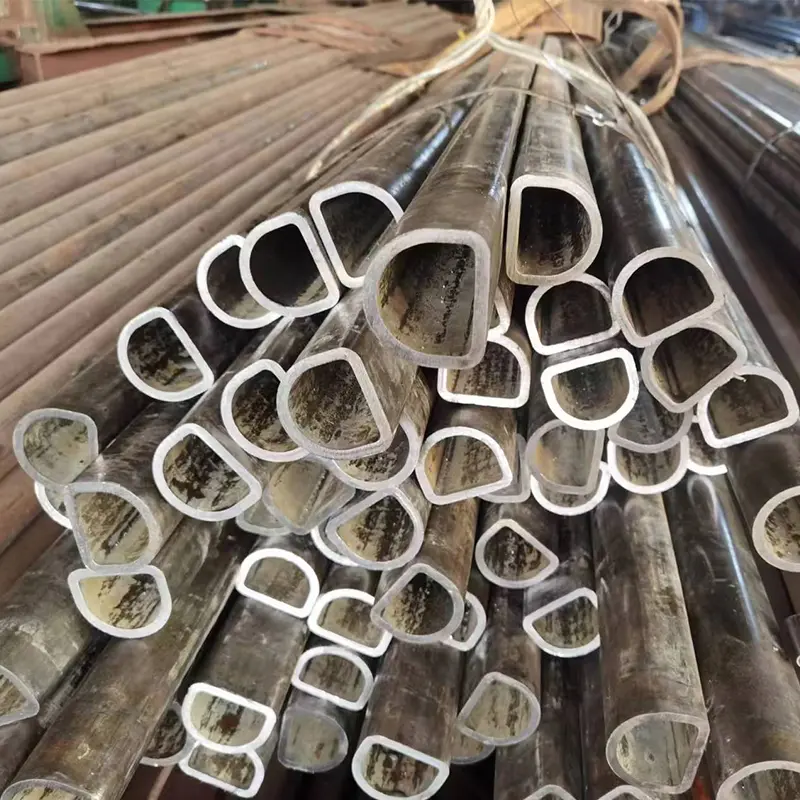
304, 316 and other stainless steel special-shaped pipes
specification
|
Product Name |
304, 316 and other stainless steel special-shaped pipes |
|
Standard |
GB/T 12771-200、ASTM A554、ASTM A312、EN 10088、JIS G 3448、DIN EN 10217 |
|
Material |
00Cr19Ni10、00Cr17Ni14Mo2、00Cr18Ni10Ti、S30400、S31600、S32100、X6CrNiTi18-10、X5CrNiMo17-12-2、X5CrNi18-10 |
|
Outer diameter range |
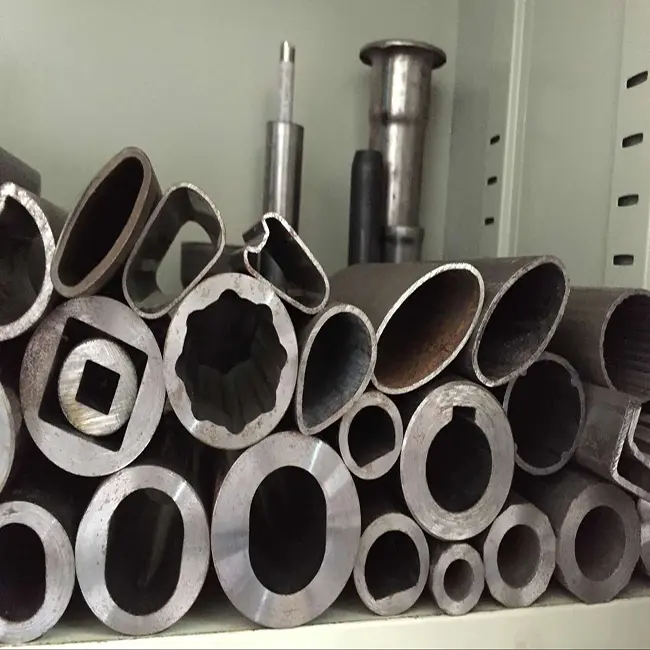
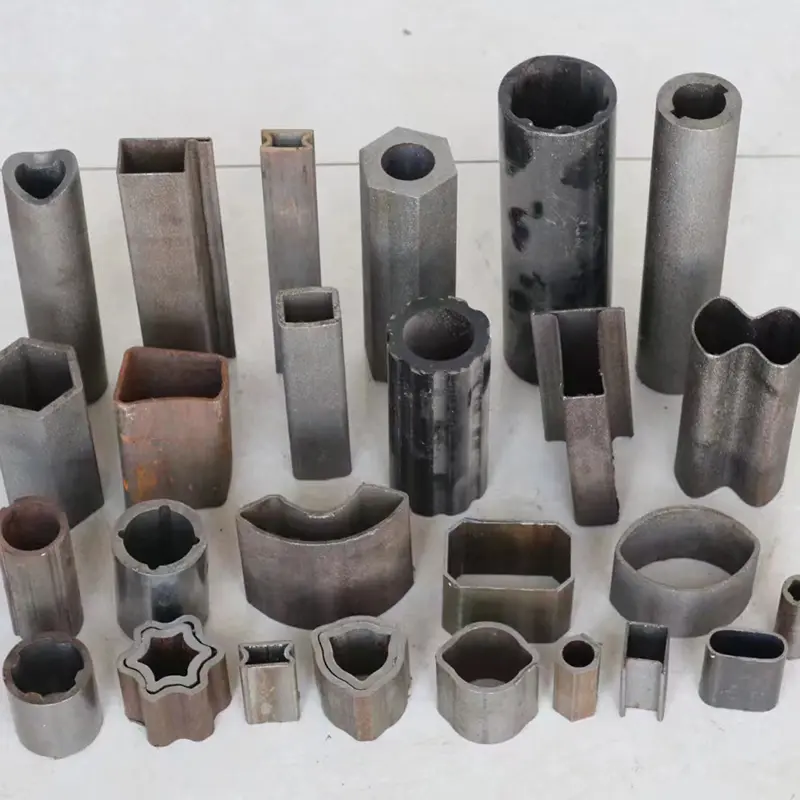
1. Square tube Outer diameter range: typically from 20mm x 20mm to 300mm x 300mm, or even larger. 2. Rectangular tube Outer diameter range: Common sizes include 30mm x 20mm, 50mm x 30mm, 100mm x 50mm, etc., and the maximum can reach 400mm x 200mm or larger. 3. Oval tube Outer diameter range: generally from 30mm x 20mm to 150mm x 100mm, the specific size can be customized according to requirements. 4. Hexagonal tube Outer diameter range: usually from 20mm to 100mm, the specific size can be based on design requirements. 5. Other special-shaped tubes The outer diameter range of other shapes of special-shaped tubes (such as T-tubes, U-tubes, etc.) will also vary, usually between 20mm and 200mm. |
|
Thickness range |
1. Square tube Wall thickness range: usually from 1.0mm to 10mm, common wall thicknesses include 1.5mm, 2.0mm, 3.0mm, etc. 2. Rectangular tube Wall thickness range: generally from 1.0mm to 10mm, common wall thicknesses include 1.5mm, 2.0mm, 3.0mm, etc. 3. Oval tube Wall thickness range: usually from 1.0mm to 5mm, the specific thickness can be customized according to needs. 4. Hexagonal tube Wall thickness range: generally from 1.0mm to 5mm, the specific size can be determined according to design requirements. 5. Other special-shaped tubes The wall thickness range of other shapes of special-shaped tubes (such as T-tubes, U-tubes, etc.) will also be different, usually between 1.0mm and 10mm. |
|
Length range |
Common lengths are 6 meters, 12 meters, etc. They can also be cut according to project requirements. |
|
Error |
±1% |
|
Certification |
ISO 9001 ,CE,API |
|
Surface treatment |
Polishing, pickling, sandblasting, electrolytic polishing, coating, heat treatment, phosphating, electroplating |
|
Country of origin |
China |
|
Main Applications |
1. Architecture and Structure Stainless steel special-shaped tubes are often used in building structures, decorations and supporting frames, especially in situations where corrosion resistance and aesthetics are required, such as curtain walls, balcony railings, etc. |
|
2.Automotive industry In automobile manufacturing, stainless steel profiled pipes are used in exhaust systems, body structures and decorative parts due to their light weight and corrosion resistance. |
|
|
3.Machinery manufacturing Used to manufacture various mechanical parts and equipment, such as drive shafts, brackets and frames, etc., providing strength and durability. |
|
|
4.Chemicals and Petroleum Stainless steel special-shaped pipes are used in the chemical and petroleum industries to transport corrosive media due to their excellent corrosion resistance and high temperature resistance. |
|
|
5.Food and medicine In the food processing and pharmaceutical industries, stainless steel profiled pipes are used for equipment and pipelines because they are easy to clean and meet hygiene standards. |
|
|
6.Furniture and decoration Stainless steel special-shaped tubes are widely used in modern furniture and interior decoration, such as table and chair frames, lamps and art installations. |
|
|
7.Aerospace In the aerospace field, stainless steel profiled tubes are used to manufacture lightweight structures and components that meet the requirements of high strength and corrosion resistance. |
|
|
Package |
Simple packaging, reinforced packaging, wooden frame, metal frame, pallet, wrapping |
|
Payment Term |
TT, LC,Cash, Paypal, DP, DA,Western Union or Others. |
|
After-sales service |
1. Quality assurance period 2. Return and exchange policy 3. Delivery and acceptance assistance 4. Customer feedback collection |
Product Display


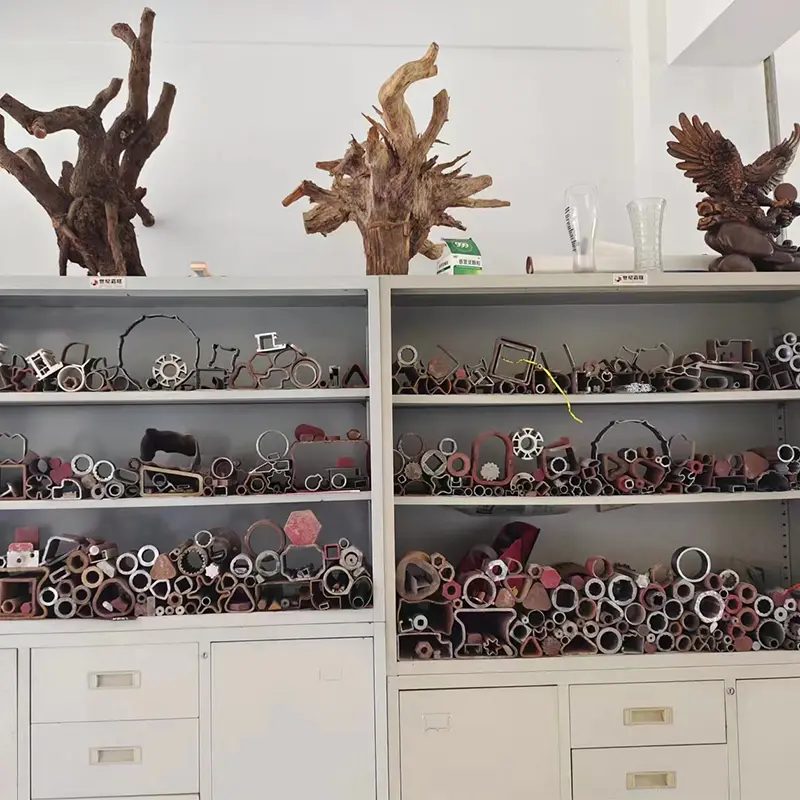
Why use carbon steel special-shaped pipes
1. Corrosion resistance
Stainless steel has excellent corrosion resistance and can resist erosion by a variety of chemical media. It is suitable for use in harsh environments such as the chemical, food and pharmaceutical industries.
2. Strength and toughness
Stainless steel special-shaped pipes have high strength and toughness, can withstand greater pressure and impact, and are suitable for use in structures and load-bearing components.
3. Aesthetics
Stainless steel has a smooth surface and good decorative effect. It is suitable for use in construction, furniture, decoration and other fields to enhance the overall aesthetics.
4. High temperature resistance
Stainless steel can maintain stable performance in high temperature environments and is suitable for applications with high temperature conditions, such as boilers and heat exchangers.
5. Easy to process and shape
Stainless steel special-shaped pipes can be processed through welding, cutting and bending to meet different design requirements.
6. Hygiene
In the food and pharmaceutical industries, stainless steel has excellent hygienic properties, is easy to clean and disinfect, and meets hygiene standards.
.Durability
Stainless steel materials have a long service life and low maintenance cost, making them suitable for long-term use and reducing the frequency of replacement.
8. Environmental
Stainless steel is a recyclable material that meets the requirements of sustainable development. The use of stainless steel special-shaped pipes helps reduce environmental impact.
Production process
1.Raw material preparation
Select suitable stainless steel materials, usually stainless steel plates or stainless steel strips, and cut them according to the specifications and requirements of the product.
2.Molding
Cold bending: The stainless steel strip or plate is formed by a cold bending machine to form the required special-shaped tube section (such as square tube, rectangular tube, oval tube, etc.).
Thermoforming: The stainless steel material is heated at high temperature and then formed through a mold, suitable for larger size special-shaped tubes.
3.Welding
For special-shaped pipes that need to be welded, use appropriate welding technology (such as TIG welding, MIG welding, etc.) to weld the edges of the pipes together to form a complete pipe.
4.Cooling Down
After welding, the pipe needs to be cooled to ensure the strength and stability of the welded joint.
5.Pickling and polishing
Remove the surface oxide layer and welding residues by pickling to improve corrosion resistance.
Polishing is performed to improve the surface finish and meet aesthetic and hygienic requirements.
6.Testing
Carry out quality inspection on finished products, including appearance, size, wall thickness, welding quality, etc., to ensure compliance with relevant standards and customer requirements.
7.Cutting and Packaging
Cut the special-shaped tubes into required lengths according to customer needs and pack them appropriately for transportation and storage.
8.Shipping
Ship qualified products to customers, ensuring they are not damaged during transportation.