

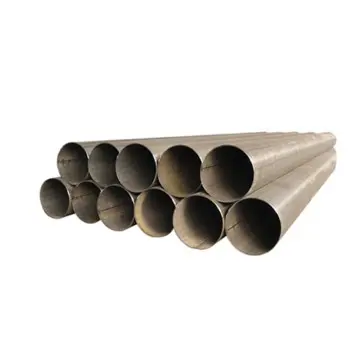
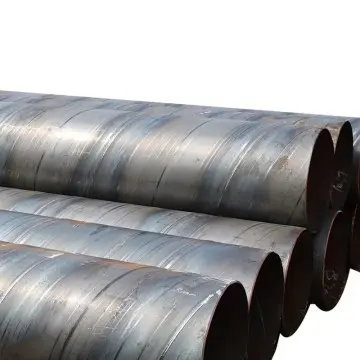
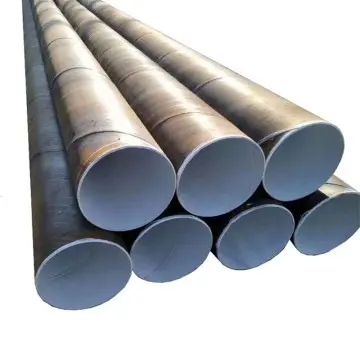


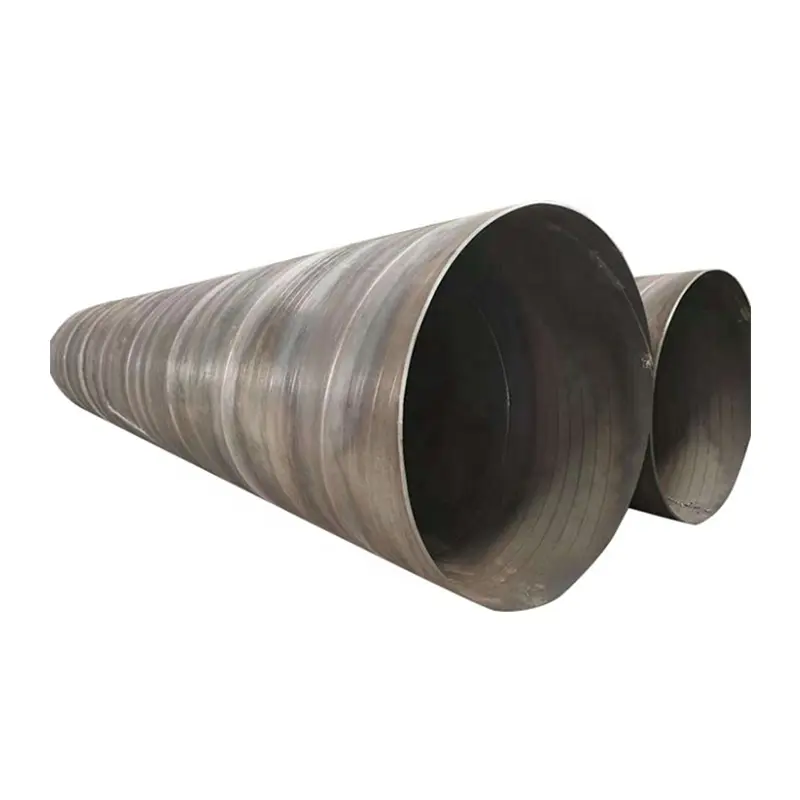
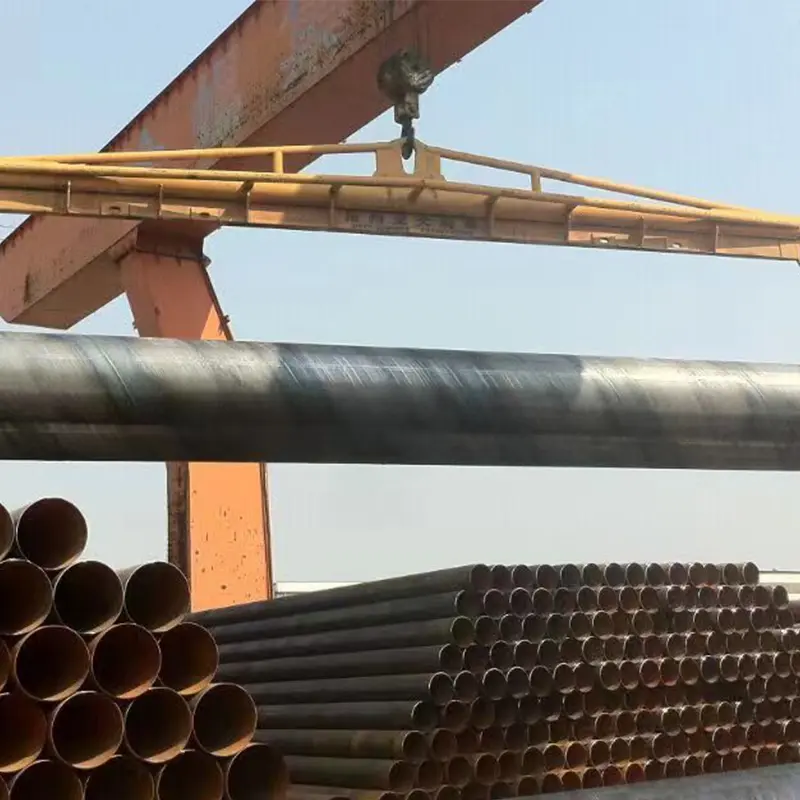
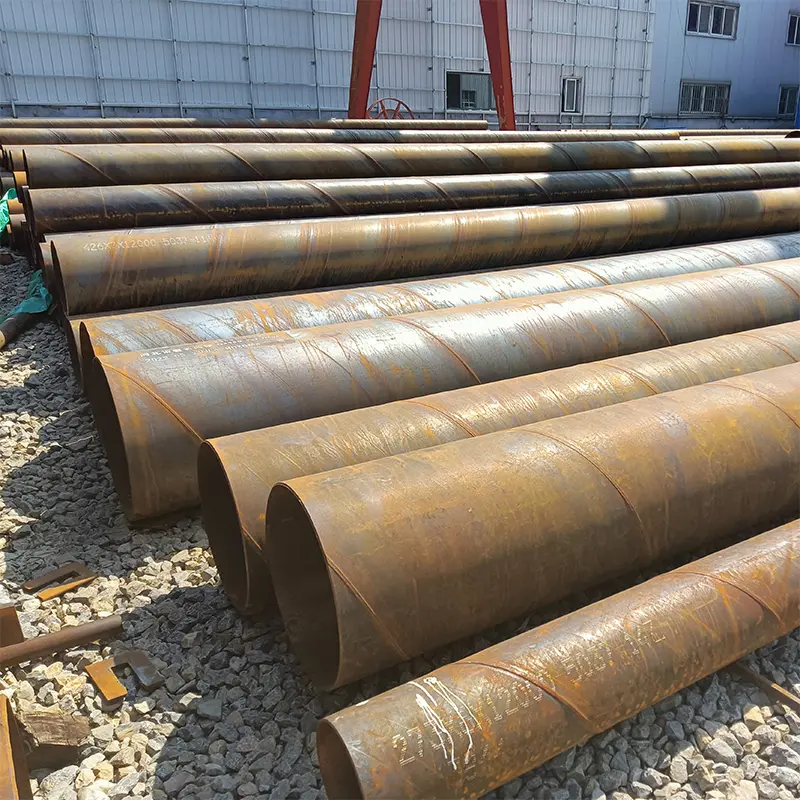
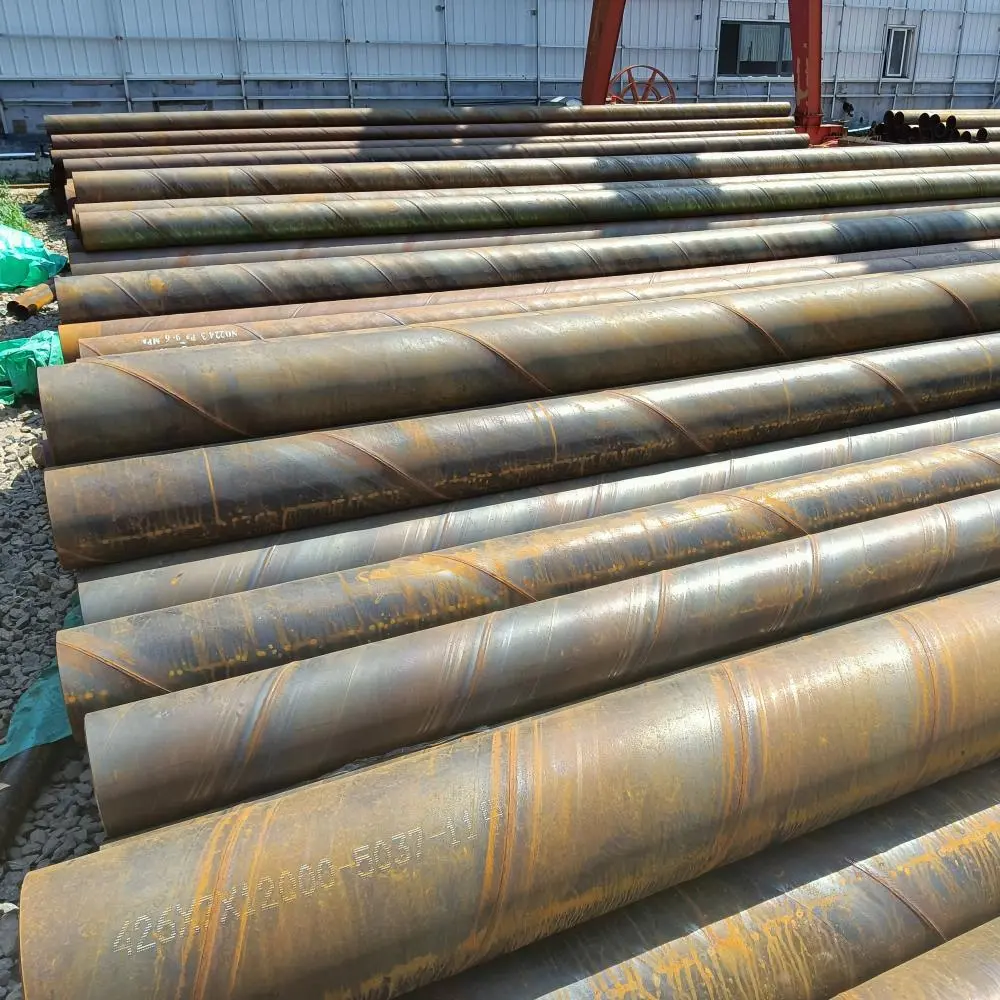
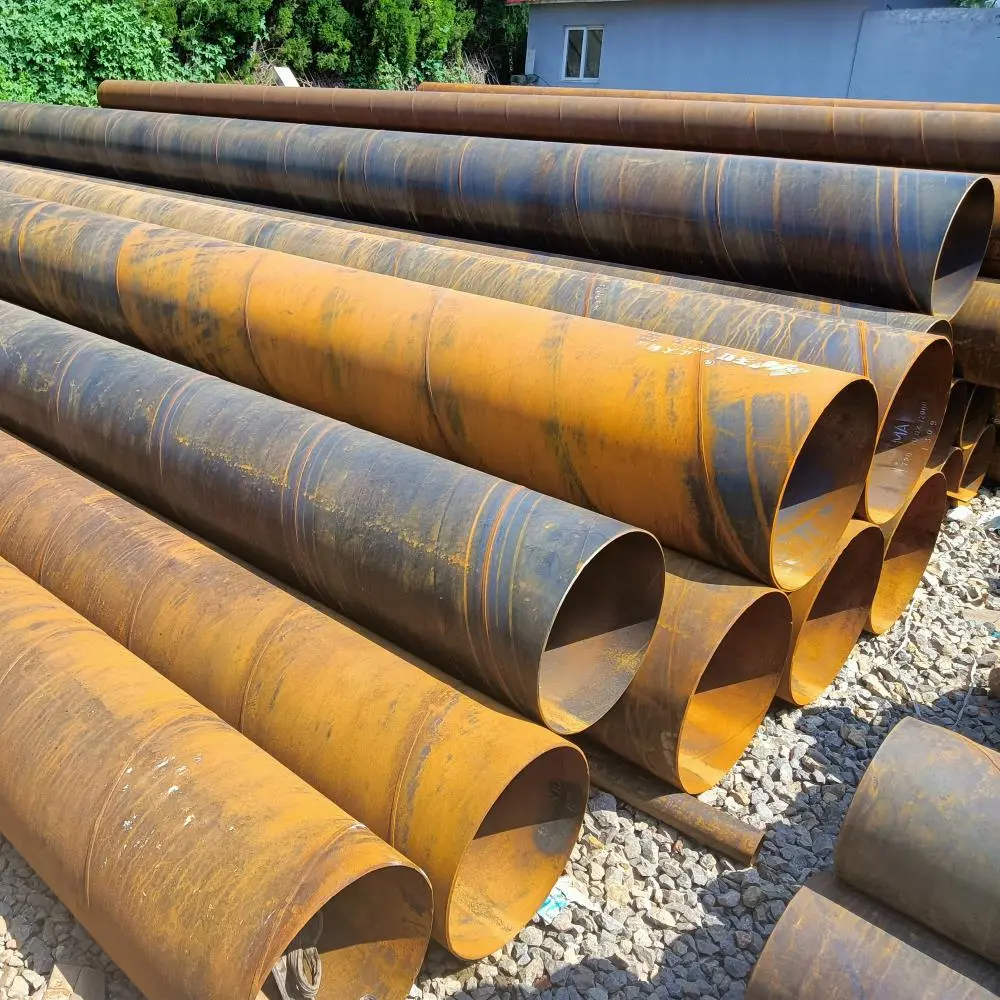
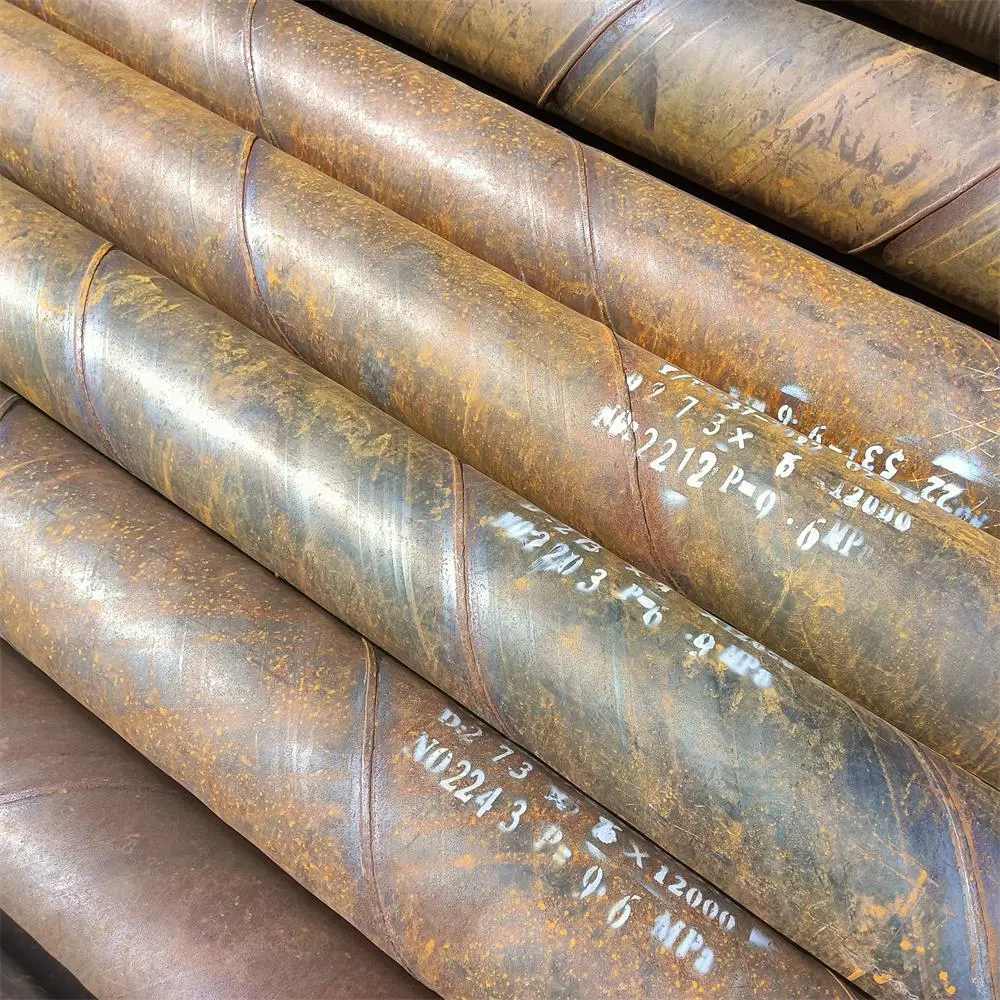
20# low alloy high strength spiral welded pipe
specification
|
Product Name |
20# spiral welded pipe |
|
Standard |
ASTM,JIS,DIN,GB,AISI,DIN,EN |
|
Material |
20#、AISI 1020、C22、S20C、EN3 |
|
Outer diameter range |
Small diameter: Usually starts at 219 mm (about 8 inches). Large diameter: can reach 3000 mm (about 120 inches) or larger. |
|
Thickness range |
Small diameter pipe (e.g. 219 mm OD): wall thickness is usually between 5 mm and 12 mm. Medium diameter pipe (e.g. 325 mm to 508 mm OD): wall thickness is usually between 6 mm and 16 mm. Large diameter pipe (such as 720 mm and above outer diameter): wall thickness can be 8 mm to 25 mm or thicker. |
|
Length range |
The longest length is 12 meters, and can be customized by customers |
|
Error |
±1% |
|
Certification |
ISO 9001 ,CE,API |
|
Surface treatment |
Hot dip galvanizing, spraying, anti-corrosion coating, pickling, polishing |
|
Country of origin |
China |
|
Main Applications |
1.Oil and gas transportation: 20# spiral welded pipe is commonly used in oil and gas transportation pipelines and can withstand high pressure and corrosive environment. |
|
2.Water conservancy projects: used in water pipes, irrigation systems and drainage systems, suitable for conveying various liquids. |
|
|
3.Chemical industry: In chemical plants, 20# spiral welded pipes are used to transport chemical media and can resist certain corrosion. |
|
|
4.Construction Engineering: Used in building structures, supports and frames, etc. to provide strength and stability. |
|
|
5.Electric power industry: In power engineering, 20# spiral welded pipe can be used for the supporting structure of transmission lines. |
|
|
6.Mechanical Manufacturing: Used to manufacture various mechanical equipment and parts, especially in situations where high strength and wear resistance are required. |
|
|
7.Municipal engineering: used for the construction of urban infrastructure such as water supply, drainage and heating pipelines. |
|
|
Package |
Simple packaging, reinforced packaging, wooden frame, metal frame, pallet, wrapping |
|
Payment Term |
TT, LC,Cash, Paypal, DP, DA,Western Union or Others. |
|
After-sales service |
1. Quality assurance period 2. Return and exchange policy 3. Delivery and acceptance assistance 4. Customer feedback collection |
Product Display
Chemical Composition
|
20# |
Carbon (C) |
Silicon (Si) |
Manganese (Mn) |
Chromium (Cr) |
Nickel (Ni) |
Copper (Cu) |
Sulfur (S) |
Phosphorus (P) |
|
|
0.17 - 0.23 |
0.17 - 0.37 |
0.35 - 0.65 |
≤ 0.25 |
≤ 0.30 |
≤ 0.25 |
≤ 0.035 |
≤ 0.035 |
Mechanical Properties
|
Properties |
Values |
|
Tensile Strength (MPa) |
410 - 550 |
|
Yield Strength (MPa) |
245 |
|
Elongation (%) for δ ≤ 16mm |
24 |
|
Elongation (%) for 16 - 30mm |
22 |
|
Impact Energy Kv2 (J) at ≥ 40°C |
27 |
Production process
.Raw Material Preparation:
Steel plates or coils are selected based on the required specifications for the pipe.
.Plate Cutting:
The steel plates are cut into specific widths according to the desired diameter of the pipe.
.Edge Milling:
The edges of the cut plates are milled to ensure proper alignment and fit during the welding process.
.Forming:
The flat steel plates are heated and then formed into a spiral shape using a series of rollers. This process creates the initial pipe shape.
.Welding:
The edges of the formed steel are welded together using a spiral welding technique. This can be done using various welding methods, such as submerged arc welding (SAW) or gas metal arc welding (GMAW).
.Cooling:
After welding, the pipe is allowed to cool down to room temperature.
.Inspection:
The welded pipe undergoes various inspections, including visual inspection, ultrasonic testing, and radiographic testing, to ensure the quality and integrity of the welds.
.Surface Treatment:
The surface of the pipe may undergo treatments such as cleaning, coating, or galvanizing to enhance corrosion resistance.
.Cutting to Length:
The finished pipes are cut to the required lengths based on customer specifications.
.Packaging and Delivery:
The pipes are packaged for transportation and delivered to the customer.